
Plants
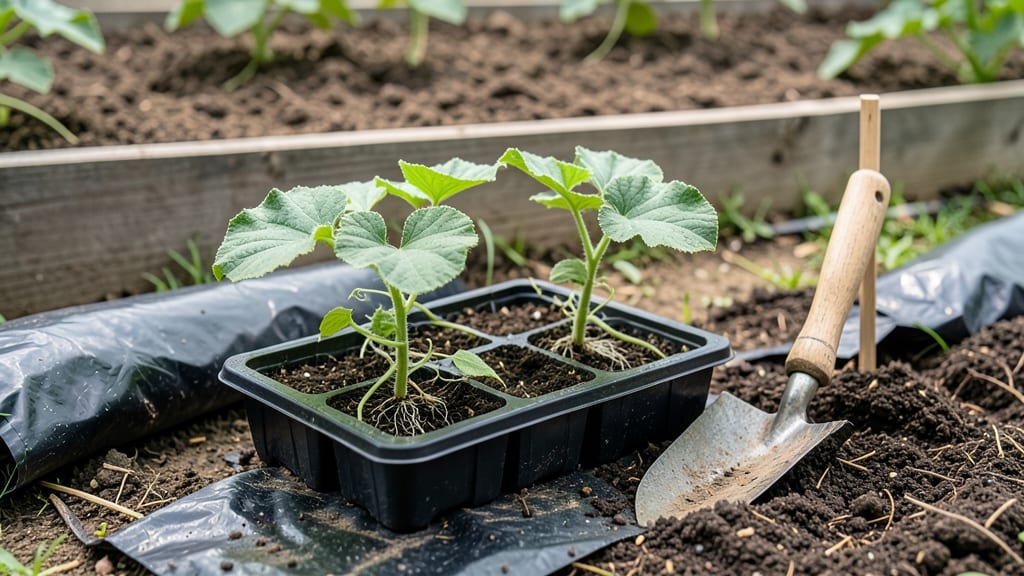
Planting cantaloupe in Tennessee at the wrong time could leave you with wilted vines or no harvest at all—but getting the timing right means juicy, sweet fruit by July.
The key is waiting until after your last frost date, which varies dramatically across the state from March 15 in the south to April 15 in the mountains.
Most Tennessee gardeners should aim to plant cantaloupe seeds directly into warm soil between April 15 and May 15, when temperatures consistently stay above 70°F.
This warm-season crop thrives in USDA zones 6a-7b, but even within those zones, microclimates can shift your ideal planting window by 2-3 weeks—especially if you're growing near urban heat islands or in cooler East Tennessee valleys.
Whether you're starting seeds indoors for an early jumpstart or sowing directly into prepared beds, I'll walk you through the exact steps to match your county's frost-free window.
We'll also cover how to extend your growing season for a possible fall harvest, so you can enjoy 🍈 cantaloupe all summer long—no matter where you garden in Tennessee.
Ready to turn your backyard into a cantaloupe patch? Let's dive into the planting schedule that'll give you the best chance for a bountiful harvest, complete with regional adjustments and pro tips for Tennessee's unique climate challenges.
Tennessee county frost-free dates: optimal cantaloupe planting windows by region
Tennessee’s diverse climate—from the Appalachian Mountains in the east to the Mississippi Delta in the west—creates varying frost-free dates that directly impact your cantaloupe planting schedule.
In East Tennessee, where cooler microclimates prevail, you’ll need to wait until late April or early May, while West and Middle Tennessee gardeners can start as early as mid-April in most counties.
These differences mean choosing the wrong window could leave your plants vulnerable to late frosts or stunted growth.
For cantaloupe success, aim to plant seeds 1-2 weeks after your county’s last frost date, when soil temperatures consistently reach 70°F or higher. This warm-season crop thrives in Tennessee’s USDA Zones 6a-7b, but exact timing depends on your local frost history.
Below is a breakdown of planting windows tailored to Tennessee’s three main regions, ensuring you align your schedule with nature’s rhythm.
🌱 Did You Know? Tennessee’s highest elevation counties (like Sevier or Sullivan) may experience 10-14 days later frost-free dates than lowland areas like Shelby or Shelbyville. Always check your specific county’s average—don’t assume your neighbor’s schedule applies to you!
Tennessee Cantaloupe Planting Windows by Region
| Region | Last Frost Date (Avg.) | Optimal Planting Window | Soil Temp Requirement | Key Counties |
|---|---|---|---|---|
| East Tennessee | April 20–May 5 | May 1–May 15 | 70°F+ (consistent) | Sevier, Sullivan, Knox, Carter |
| Middle Tennessee | April 1–April 15 | April 15–May 1 | 70°F+ (consistent) | Davidson, Williamson, Rutherford, Wilson |
| West Tennessee | March 20–April 5 | April 1–April 15 | 70°F+ (consistent) | Shelby, Shelbyville, Fayette, Tipton |
| Urban Microclimates (Nashville, Chattanooga) | April 10–April 25 | April 25–May 10 | 70°F+ (consistent) | Davidson, Hamilton, Shelby |
📌 Pro Tip: Use the Old Farmer’s Almanac to find your exact county’s frost dates—they update annually!
If you’re in East Tennessee, don’t rush to plant before May 1—cantaloupes are frost-sensitive and won’t tolerate even light freezes.
I once planted mine in late April in Sevier County, and a 28°F night wiped out my seedlings overnight. Patience pays off: Wait for three consecutive days above 70°F before sowing.
For West Tennessee gardeners, you have a 2-3 week head start compared to your East TN counterparts. Use this advantage to direct-sow seeds in early April under row covers or in a greenhouse. This lets you harvest earlier and avoid summer heat stress that can reduce fruit quality.
Urban gardeners in Nashville or Chattanooga face unique challenges due to heat islands and microclimates. Your backyard might be 5–10°F warmer than rural areas just miles away. Monitor soil temps with a soil thermometer—plant only when readings hit 70°F for 5+ days.
I’ve seen Nashville gardeners plant 2 weeks earlier than their rural neighbors and still succeed by using black plastic mulch to warm the soil faster.
Regardless of your region, avoid planting cantaloupe before April 15 unless you’re using season extenders. Cold soil slows germination, and seedlings may rot or fail. Instead, start seeds indoors 3–4 weeks before your last frost date, then transplant after Memorial Day for the safest results.
🌡️ Key Takeaway: Tennessee’s 180–210 frost-free days give cantaloupe just enough time to mature—plan your schedule to maximize that window. Miss it, and you’ll be left with underripe fruit or no harvest at all.
Step-by-step planting schedule for cantaloupe in Tennessee’s climate zones
Tennessee’s diverse climate zones—from the cooler East Tennessee mountains to the warmer Middle and West Tennessee valleys—require tailored planting strategies for cantaloupe success. Since cantaloupe thrives in soil temperatures above 75°F, timing your planting to match your local microclimate is critical.
Let’s break down the exact steps to ensure your cantaloupe seeds or seedlings hit the ground at the perfect moment.
First, determine your USDA hardiness zone (typically 6a-7b in Tennessee) and last frost date. Most of Tennessee experiences its last spring frost between mid-March and early April, but East Tennessee can be 2-3 weeks later.
Use this as your starting point—cantaloupe should never be planted until all frost risk has passed and soil temperatures consistently reach 70°F or warmer.
📅 Key Dates to Mark:
- West Tennessee (Zones 7a-7b): Plant seeds April 15-May 1
- Middle Tennessee (Zone 7a): Plant seeds April 25-May 10
- East Tennessee (Zone 6a): Plant seeds May 1-May 15
For gardeners eager to extend their season, I recommend starting seeds indoors 3-4 weeks before your target outdoor planting date. Use biodegradable pots and a seedling heat mat to maintain 75-85°F soil temperatures.
Harden off seedlings by placing them outdoors in partial shade for 1-2 hours daily, gradually increasing exposure over 7-10 days before transplanting.
🌱 Step-by-Step Planting Timeline for Tennessee Cantaloupe
- 📅 4-6 Weeks Before Last Frost: Start seeds indoors with heat mat (75-85°F soil).
- 🌱 3 Weeks Before Planting: Transplant seedlings to larger pots (3-4" diameter) and begin hardening off.
- 🌡️ 2 Weeks Before Planting: Test soil temperature—plant only when consistently 70°F+.
- 🌿 Planting Day: Transplant seedlings 12-18 inches apart in hills, burying stems to first true leaves. Space hills 3-5 feet apart.
- 💧 First 2 Weeks After Planting: Water deeply every 2-3 days to encourage root establishment.
- ☀️ Ongoing Care: Ensure 8+ hours of full sun daily and mulch to retain moisture.
If you’re planting seeds directly outdoors (which I recommend for West and Middle Tennessee where frost risk is lower), wait until mid-May and sow seeds ½ inch deep in hills.
Use black plastic mulch to warm the soil faster and suppress weeds. Direct-sown seeds typically germinate in 7-10 days when soil is warm enough.
For East Tennessee gardeners, consider using row covers or cold frames to protect early seedlings. Remove covers once plants are established (around 3-4 inches tallsquash vine borers—these pests thrive in Tennessee’s heat and can devastate cantaloupe plants if unchecked.
Pro tip: Plant cantaloupe near bush beans or radishes to deter pests naturally. Avoid planting near potatoes or cucumbers, as they share diseases. With these steps, you’ll be well on your way to a sweet, homegrown cantaloupe harvest by mid-summer! 🍈