
Plants
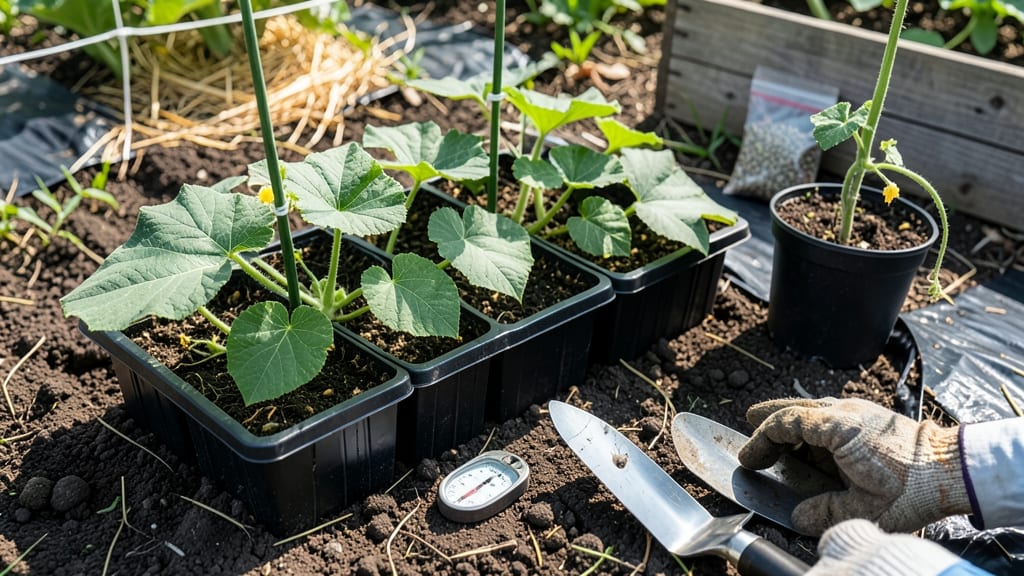
If you’ve ever planted cantaloupe in Missouri only to watch frost nip your vines or your harvest shrink before summer’s peak, you know timing is everything.
The right window between Missouri’s last frost and scorching summer heat determines whether your 🍈 thrives or struggles—and with USDA zones 5b-6b to consider, getting it wrong can mean the difference between a bounty and a bust.
Here’s the secret: cantaloupe needs soil that’s warm enough to germinate—at least 70°F—and nighttime temperatures that stay above 55°F. That usually means waiting until late April or early May, but your exact start date depends on whether you’re in St. Louis, Kansas City, or southern Missouri.
I’ll break down the perfect planting schedule for your region, plus pro tips to extend your growing season so you’re harvesting sweet melons from July through September.
You might be wondering whether to start with transplants or sow seeds directly—both work, but each has trade-offs. I’ll cover the best varieties for Missouri’s short season, how to prep your soil for maximum success, and even how to protect young plants from late frosts.
By the end, you’ll know exactly when to plant cantaloupe in Missouri to avoid common pitfalls and enjoy a harvest that rivals the best farmers’ market finds.
Ready to turn your garden into a cantaloupe goldmine? Let’s dive into the exact dates, varieties, and care tips that’ll have you picking ripe, flavorful melons all summer long.
Missouri cantaloupe planting calendar: exact start dates by region
Missouri’s diverse climate zones mean your cantaloupe planting window can vary by 1-2 weeks depending on location. Northern areas like Kansas City and Columbia have later frost dates, while St. Louis and southern Missouri enjoy earlier warmth.
I’ll break down the ideal planting dates for each region, plus soil temperature thresholds to avoid frost damage.
Cantaloupes are warm-season crops that won’t germinate in cold soil. Seeds need soil temperatures of 70°F (21°C) or warmer, and nighttime temps should stay above 55°F (13°C). In Missouri, this typically aligns with late April to early May, but microclimates can shift these dates by 10-14 days.
Use your last frost date as a baseline, but don’t rush—cantaloupe seedlings are extremely frost-sensitive. A sudden cold snap can kill young plants overnight. For maximum yield, aim to plant when your region’s average nighttime lows consistently stay above 60°F (16°C).
Here’s how Missouri’s regions compare for cantaloupe planting, including soil temperature and frost-free day targets:
For northern Missouri, where frost lingers later, consider starting seeds indoors 3–4 weeks before your target outdoor date. Use biodegradable pots to transplant seedlings without disturbing roots. Southern Missouri gardeners can plant as early as April, but watch for late frosts—use row covers for protection if needed.
If you’re direct-sowing seeds, plant them ½ inch deep and space rows 4–6 feet apart to accommodate sprawling vines. Thin seedlings to 12–18 inches apart once they’re 2–3 inches tall.
This spacing ensures good air circulation, reducing the risk of powdery mildew, a common issue in Missouri’s humid summers.
Pro tip: Use a soil thermometer to confirm your soil is warm enough. If temps are below 65°F (18°C), seeds may rot in the ground. In cool springs, opt for transplants from a nursery—just harden them off for 7–10 days before planting to avoid shock.
Once your cantaloupe plants are established, focus on consistent moisture and rich soil. Mulch around the base with straw or grass clippings to retain moisture and suppress weeds. With the right timing, you’ll be harvesting sweet melons by mid-summer!
🌱
Best cantaloupe varieties for Missouri's climate and how to choose
Missouri’s short growing season demands cantaloupe varieties that thrive in heat and humidity while maturing quickly.
The right choice means sweeter fruit and higher yields—so don’t settle for just any seed packet! Heat-tolerant varieties like ‘Athena’ and ‘Hale’s Best’ are my top picks for Missouri gardeners, as they handle our sweltering summers without sacrificing flavor.
If you’re short on space, bush-type cantaloupes like ‘Ambrosia’ are perfect—they stay compact while still delivering juicy, aromatic fruit. For those with longer summers, ‘Honey Brew’ is a crowd-pleaser with its deep orange flesh and sweet, muskmelon-like taste.
Always check the days to maturity on the seed packet to ensure it fits your region’s frost-free window.
🌱
🌱 Pros & Cons of Top Missouri Cantaloupe Varieties
Pros: Fast-maturing (75 days), disease-resistant, great for short seasons.
Cons: Smaller fruit, needs consistent water.
Pros: Classic flavor, reliable producer, handles heat well.
Cons: Needs more space (vining type), 85-day maturity.
Pros: Bush-type (compact), early producer (70 days), sweet.
Cons:Smaller yields, less heat-tolerant than Athena.
Pros: Unique honey-sweet flavor, large fruit, 80-day maturity.
Cons: Needs rich soil, prone to powdery mildew.
When buying seeds or transplants, prioritize disease-resistant labels—Missouri’s humidity can turn cantaloupes into a buffet for powdery mildew and cucumber beetles. Look for varieties tagged with ‘PM’ (powdery mildew resistance) or ‘CM’ (cucumber mosaic virus resistance).
Transplants are a time-saver, but direct-sown seeds often yield stronger vines if planted after the last frost.
For southern Missouri’s longer growing season, succession plant every 2 weeks after the initial planting date. This staggered approach ensures a continuous harvest from July through September. Just remember: Soil temperature matters more than calendar dates—wait until the ground warms to at least 70°F (21°C) before planting.
💧
Pro tip: If you’re new to cantaloupe growing, start with one or two varieties to test what thrives in your microclimate. Keep notes on which perform best—next year, you’ll be a Missouri cantaloupe pro with a perfectly timed, flavor-packed harvest!