
Plants
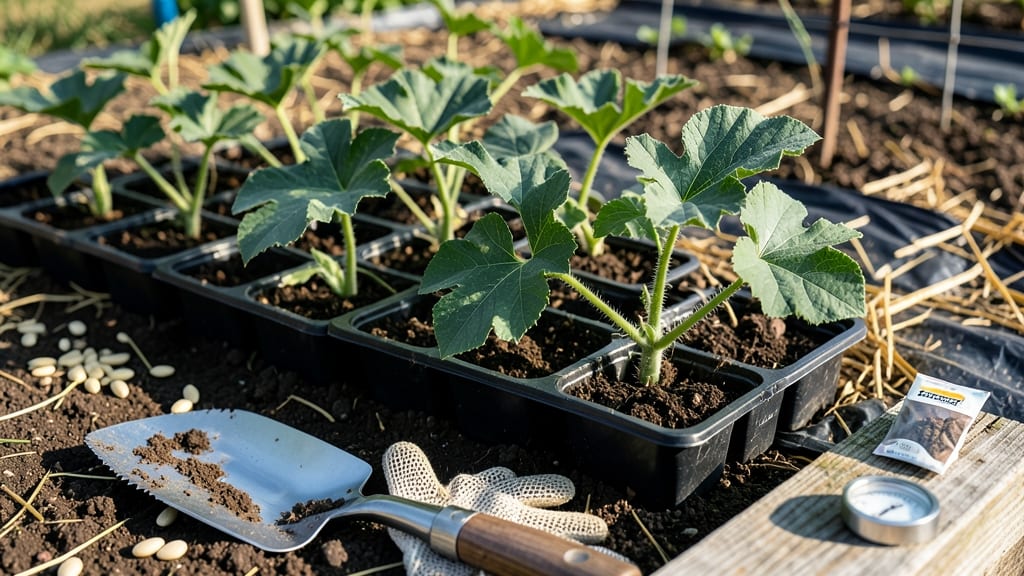
Planting cantaloupe in Louisiana can feel like a high-stakes game—get the timing wrong, and you might end up with bitter fruit or no harvest at all. The key to success lies in understanding when the soil is truly ready, not just when the calendar says spring arrives.
With Louisiana’s warm climate and 240 frost-free days, you’ve got two prime chances to grow sweet, juicy 🍈 cantaloupes: spring and fall. But rushing into the garden too early—before the soil hits that critical 70°F mark—can stall germination and leave your plants struggling.
That’s where a soil thermometer becomes your best friend.
In this guide, I’ll break down the exact planting windows for your region, whether you’re in New Orleans or Shreveport, and share my pro tips for using soil temperature to time your plantings like a seasoned gardener. No more guesswork—just perfect conditions for a bountiful harvest.
Ready to turn your cantaloupe dreams into reality? Let’s dive into the science and secrets that make all the difference in Louisiana’s humid heat.
Best planting dates for cantaloupe in Louisiana’s climate zones
Louisiana’s warm climate means cantaloupe thrives here—but timing is everything. The ideal planting window depends on your region’s last frost date and heat tolerance. Northern areas like Shreveport have cooler springs, while New Orleans enjoys earlier warm weather.
Let’s break it down by zone to maximize your harvest.
For spring plantings, aim for mid-March to early May after the last frost. Southern Louisiana can start 2-3 weeks earlier than the north. Fall plantings should begin late July to early August for a September-October harvest before cooler weather sets in.
Cantaloupe needs consistent warmth—soil temps must stay above 70°F for germination. Louisiana’s USDA zones 8a-9b mean you won’t face harsh winters, but early heat waves can stress young plants. Here’s how to adapt your schedule:
Northern Louisiana (e.g., Shreveport, Monroe): Wait until mid-April to plant outdoors. Start seeds indoors 3-4 weeks earlier if you want an earlier harvest. Fall plantings should begin by July 15th to avoid early frosts.
Central Louisiana (e.g., Baton Rouge, Lafayette): Plant outdoors from late March to early April. For fall crops, sow seeds by July 1st for a September harvest. This zone balances heat and humidity perfectly for cantaloupe.
Southern Louisiana (e.g., New Orleans, Lake Charles): You can plant as early as February in microclimates with warmer soil. Fall plantings can extend to early August for a late-October harvest. Just watch for hurricane season disruptions.
🌱
| Region | Spring Planting Window | Fall Planting Window | Key Consideration |
|---|---|---|---|
| Northern LA (Shreveport) | Mid-April to early May | July 15–31 | Wait for soil to warm above 70°F |
| Central LA (Baton Rouge) | Late March to early April | July 1–15 | Balanced heat and humidity |
| Southern LA (New Orleans) | February to early March | Early August | Watch for hurricane season |
🌡️ Soil Temp Check: Always verify with a thermometer before planting!
If you’re unsure about your last frost date, check local Cooperative Extension Service resources or use a soil thermometer (we’ll cover this in detail later!). Heat-tolerant varieties like ‘Athena’ or ‘Hale’s Best’ can handle Louisiana’s summer heat better than standard types.
For container gardening, plant slightly later—late April to May—since pots warm up faster than soil. Just ensure containers are at least 12 inches deep to accommodate sprawling vines. Containers also dry out faster, so water consistently.
Pro tip: Succession planting every 2 weeks in spring ensures a continuous harvest. In fall, plant heat-tolerant varieties first—they’ll produce fruit before cooler temps arrive. 🌿
Remember, cantaloupe needs 6-8 hours of sunlight daily. In Louisiana’s humid climate, morning watering prevents fungal diseases like powdery mildew. Now that you’ve got your planting dates locked in, let’s dive into how to use a soil thermometer to fine-tune your schedule!
How to use a soil thermometer to time planting like a pro
Timing your cantaloupe planting in Louisiana isn’t just about checking the calendar—it’s about reading your soil’s body temperature. A soil thermometer becomes your most reliable gardening tool, especially when spring’s unpredictable weather swings between 50°F and 80°F within days.
Cantaloupe seeds need 50°F+ soil to germinate, but they’ll grow 3x faster when soil hits 70°F+—the sweet spot for Louisiana’s USDA Zones 8a-9b.
Start monitoring soil temps 2-3 weeks before your target planting date. Louisiana’s North Shore (like Shreveport) often warms slower than South Louisiana (New Orleans), so adjust accordingly. For example, if you’re aiming for mid-April planting, check temps in early April.
If readings dip below 50°F at 2 inches deep, delay planting by 1-2 weeks—cantaloupe seeds won’t germinate in cold soil, no matter how hard you wish!
🌱Pro Tip: Take readings at 10 AM when soil has warmed from morning chill. Stick the thermometer 2 inches deep (where seeds will be) and wait 30 seconds for an accurate reading.
If temps hover around 60°F, consider using black plastic mulch to raise soil temperature by 5-10°F—a game-changer for early spring plantings.
For Louisiana’s fall crop (July-August), soil thermometers help avoid another common mistake: planting too late when summer heat already stresses young vines. Aim for 75°F+ soil to prevent blossom drop from heat shock. If your soil hits 85°F+, opt for shade cloth during peak afternoon sun to protect seedlings.
Don’t have a soil thermometer? No problem! Use the "back of your hand" test: If the soil feels cooler than your wrist (not your palm), it’s too cold. For 70°F+ soil, it should feel warm like a sunny summer sidewalk. Combine this with your thermometer readings for foolproof timing.
Once soil hits 70°F+ consistently, it’s go time! Plant seeds ½ inch deep in mounds (not rows) for better drainage—critical in Louisiana’s humid climate. Water gently to settle soil around seeds, then wait for 7-14 days for sprouts.
If you’re still unsure, err on the side of waiting: cantaloupes prefer heat over haste, and a few extra warm days will reward you with sweeter, more abundant fruit.