
Plants
Best planting timeline for cantaloupe in Arkansas: frost dates & heat zones
Arkansas’s USDA zones 7a-8b create a unique challenge for cantaloupe growers—cool springs and scorching summers demand precise timing. The last average frost date across the state typically falls between March 15 and April 15, depending on your region.
For northern Arkansas (zone 7a), wait until after April 15 to plant, while southern areas (zone 8b) can start as early as mid-March if soil temperatures stay above 70°F.
Cantaloupes are heat-loving annuals that thrive when daytime temperatures consistently reach 75°F or higher. Planting too early risks frost damage or stunted growth from cool soils, while late planting may leave vines struggling to establish before summer’s peak heat.
Arkansas’s 200 frost-free days give you a generous window, but timing is critical to avoid these pitfalls.
Here’s the ideal planting window for Arkansas gardeners: April 15 to May 15 for most varieties. This ensures seedlings emerge when soil is warm and frost risk is minimal.
For early varieties, you can start seeds indoors 4-6 weeks before the last frost (around mid-February to early March), then transplant outdoors after the soil warms.
| Region | USDA Zone | Last Frost Date | Ideal Planting Window | Soil Temp Requirement |
|---|---|---|---|---|
| Northern Arkansas | 7a | April 15 | April 30 - May 15 | ≥70°F |
| Central Arkansas | 7b-8a | March 25 - April 10 | April 15 - May 1 | ≥70°F |
| Southern Arkansas | 8b | March 15 | March 20 - April 15 | ≥65°F (earlier start) |
If you’re growing late-season varieties, you can make a second planting in early June for a fall harvest. These vines will establish quickly in Arkansas’s summer heat and may produce fruit before the first frost in mid-November.
Just be prepared for shorter daylight hours and potential pest pressure as temperatures drop.
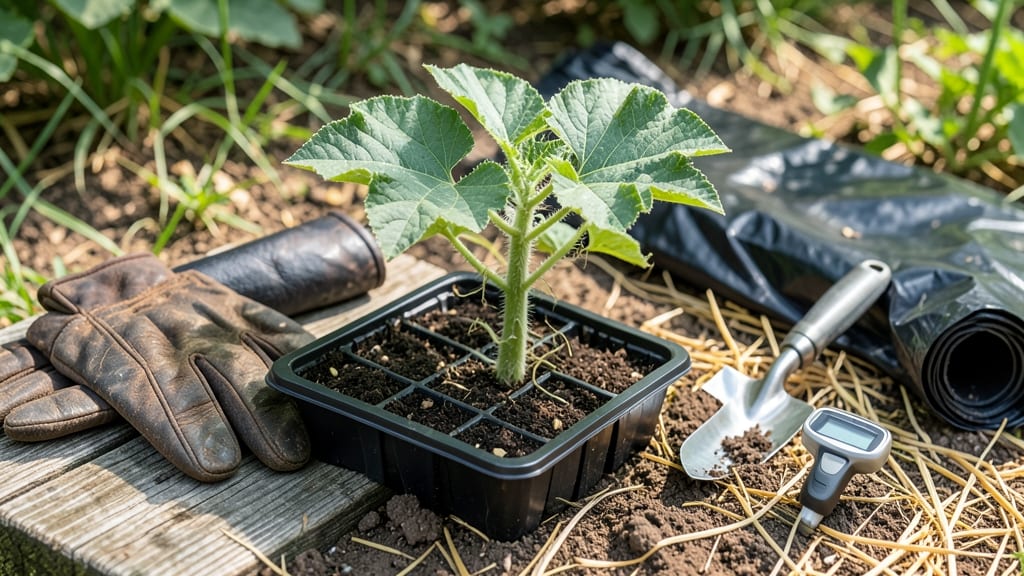
Use a soil thermometer to confirm readiness—cantaloupes won’t germinate well in soils below 70°F. In Arkansas’s humid climate, warm soils also help prevent damping-off disease, a common issue for seedlings. If your soil is slow to warm, consider using black plastic mulch to raise temperatures by 5-10°F.
For container gardening, start seeds in biodegradable pots and transplant after the last frost. Containers warm up faster than garden beds, so you can plant 1-2 weeks earlier than in-ground. Just ensure pots are at least 12 inches deep to accommodate sprawling vines and roots.
Arkansas’s humid summers can stress cantaloupe plants if they’re not established early. Aim to have vines 3-4 feet long by late June to ensure they’re ready for fruiting when temperatures peak. This means starting seeds or transplants no later than May 1 in most regions.
Pro tip: Hardening off seedlings for 7-10 days before transplanting helps them adjust to Arkansas’s intense sun and heat. Gradually expose them to outdoor conditions during the day and bring them inside at night to avoid shock.
Finally, monitor your local extended weather forecast—Arkansas’s spring can bring unexpected cold snaps. If frost threatens after planting, cover young seedlings with frost blankets or row covers until temperatures rise. With the right timing, you’ll be enjoying homegrown cantaloupe by mid-summer! 🍈
Best planting timeline for cantaloupe in Arkansas: frost dates & heat zones
Arkansas’s USDA zones 7a-8b mean cantaloupe thrives with 200+ frost-free days, but timing is critical. Plant too soon, and late frosts (around March 15) will kill tender seedlings.
Too late, and summer’s heat arrives before vines establish. Aim for April 15–May 15 when soil temps hit 70°F+—the sweet spot for germination.
Check your local last frost date: Northern Arkansas (zone 7a) waits until May 1, while Southern Arkansas (zone 8a) can start as early as April 1. Use a soil thermometer to confirm readiness—cantaloupe roots need warmth to grow.
For a longer harvest window, try two plantings: an early batch in late March (if soil is warm) and a late batch in June for heat-tolerant varieties. Just ensure vines have 60–90 days to mature before the first frost (November 15).
| Stage | Action | Notes |
|---|---|---|
| Soil Prep | Test pH (6.0–6.8), amend with compost | Use raised beds for poor drainage |
| Planting Window | April 15–May 15 (or June for late varieties) | Wait for soil temps ≥70°F |
| Germination | 5–10 days in warm soil | Thin seedlings to 12–18" apart |
| Harvest Ready | July–September (60–90 days after planting) | Check for brown tendrils and sweet aroma |
Direct-sow seeds ½ inch deep, spacing them 6 feet apart in hills. Cantaloupe hates transplant shock, so avoid starting indoors unless using biodegradable pots. In Arkansas’s heat, vines spread 3–6 feet, so give them room to sprawl.
Monitor for early blight (common in Arkansas’s humidity) by watering at the base of plants and avoiding overhead sprinklers. Mulch with straw to retain moisture and regulate soil temps—critical during Arkansas’s 90°F+ summers.
Pro tip: Use black plastic mulch to warm soil faster in cooler zones. This shortcut lets you plant 2–3 weeks earlier while protecting vines from weeds. Just remove it before harvest to avoid soil contamination.