
Plants
Ohio’s frost-free timeline: exact weeks to plant tomatoes for maximum yield
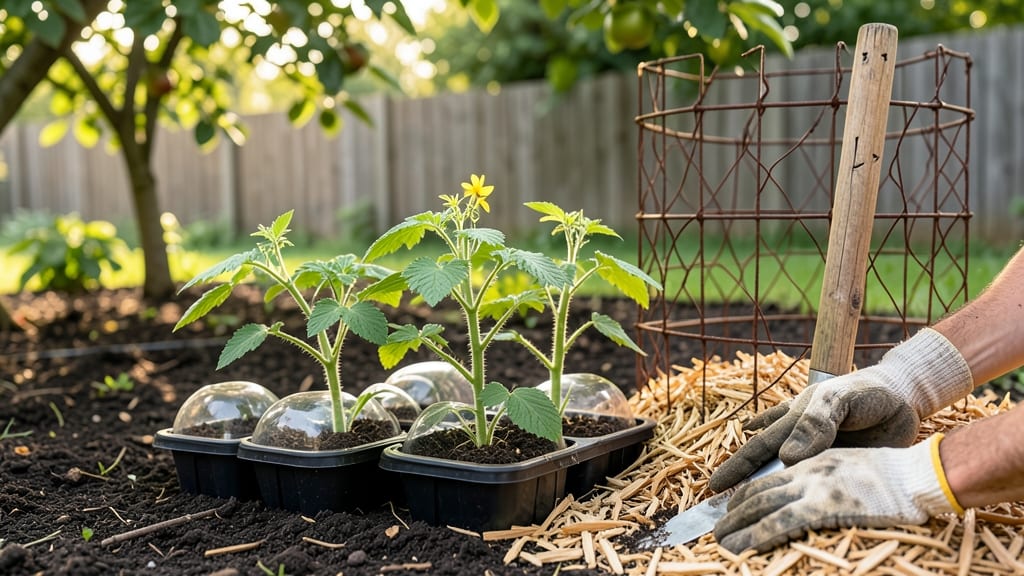
Ohio’s variable climate means your tomato planting window can shift by weeks depending on whether you’re in northeast Cleveland or southern Cincinnati. The golden rule? Wait until soil temperatures hit 60°F+ and all frost risk has passed.
For most of Ohio, this lands between mid-April and mid-May, but urban areas often warm up 1-2 weeks earlier thanks to heat islands.
Use Ohio State University Extension’s frost date maps as your guide—northern Ohio (USDA Zone 5) typically sees its last frost around May 10-15, while southern Ohio (Zone 6-7) can plant as early as April 20-30.
I’ve planted in Columbus by late April for years, but always double-check with local weather forecasts the week before.
Here’s the critical 10-14 day window you must nail: After your last frost date, wait 2 more weeks to transplant seedlings. This gives soil microbes time to wake up and root zones to warm.
Cold soil slows nutrient uptake, leading to blossom-end rot or stunted growth—something no Ohio gardener wants to see.
| Region | Last Frost Date | Ideal Planting Window | Soil Temp Goal | Notes |
|---|---|---|---|---|
| Northeast Ohio (Cleveland, Akron) | May 5-15 | May 15-31 | 60°F+ | Use row covers for early starts |
| Central Ohio (Columbus, Dayton) | April 20-May 5 | April 30-May 20 | 60°F+ | Best balance of warmth and rain |
| Southern Ohio (Cincinnati, Lexington) | April 10-20 | April 20-May 10 | 60°F+ | Can plant earliest in state |
| All Regions (Container Gardening) | N/A | May 10-20 | 65°F+ | Pots warm faster; delay planting |
For container gardeners, delay planting until May 10-20—pots heat up faster than soil but also cool down quicker. I’ve seen tomato seedlings in 5-gallon buckets thrive when planted 2 weeks later than in-ground plants, thanks to the microclimate created by urban concrete absorbing heat.
Pro tip: Test your soil temperature with a soil thermometer ($10 at garden centers) before planting. If it’s below 55°F, your seedlings will struggle to establish roots. I’ve had cherry tomatoes planted in 50°F soil develop root rot within weeks—don’t make my mistake!
Ohio’s humidity and unpredictable weather mean you might face a late frost in early June. To hedge your bets, I recommend succession planting: Start a second batch of seedlings 4-6 weeks after your first planting.
This ensures a continuous harvest from July through September, even if Mother Nature throws a curveball.
Don’t overlook fall planting either! In southern Ohio, you can direct-sow cold-hardy varieties like ‘Stupice’ or ‘Mountain Merit’ as late as July 15 for a small harvest before frost. Just be prepared to use row covers to extend the season by 2-3 weeks.
Remember: Ohio’s growing season averages 165 frost-free days. Plan your tomato varieties accordingly—early maturers (60 days) give you the most reliable harvests, while heirlooms (80+ days) are a gamble unless you’re in <
Tomato varieties that thrive in Ohio’s short vs. long seasons
Ohio’s climate offers a short but productive tomato-growing season, but choosing the right varieties can make all the difference. Early-maturing types beat the heat, while late-season varieties stretch harvests into fall—if you time them right.
Humidity and disease pressure mean disease-resistant options often outperform heirlooms, but the best choice depends on your planting window and patience for rewards.
For northern Ohio (USDA zones 5-6), prioritize fast-maturing varieties like ‘Early Girl’ (50 days) or ‘Stupice’ (55 days). These determinate types produce compact plants perfect for containers or small gardens.
In southern Ohio (zones 6-7), you can afford slightly slower growers like ‘Brandywine’ (80 days) or ‘Celebrity’ (70 days), but only if you plant by mid-April to avoid summer’s crushing heat.
Variety
Days to Maturity
Growth Type
Best For
Disease Resistance
Early Girl
50 days
Indeterminate
Early harvests, containers
Fusarium, Verticillium
Stupice
55 days
Determinate
Short seasons, urban gardens
High humidity tolerance
Mountain Merit
65 days
Indeterminate
Long harvests, disease-prone areas
Nematodes, Fusarium
Brandywine
80 days
Indeterminate
Flavor, late-season planting
None (susceptible)
Celebrity
70 days
Indeterminate
Balanced yield, disease resistance
Fusarium, Verticillium
Disease resistance is non-negotiable in Ohio’s damp summers. ‘Mountain Merit’ and ‘Celebrity’ top charts for Fusarium wilt and Verticillium resistance, while ‘Stupice’ thrives in high-humidity conditions.
If you’re tempted by heirlooms like ‘Brandywine’, plant them only in late May and use row covers to protect young plants from early blight. For container growing, ‘Tiny Tim’ (45 days) delivers cherry tomatoes without sprawling vines.
Early-Maturing Varieties (45-60 Days)
Mid-to-Late Season (70-90 Days)