
Planting
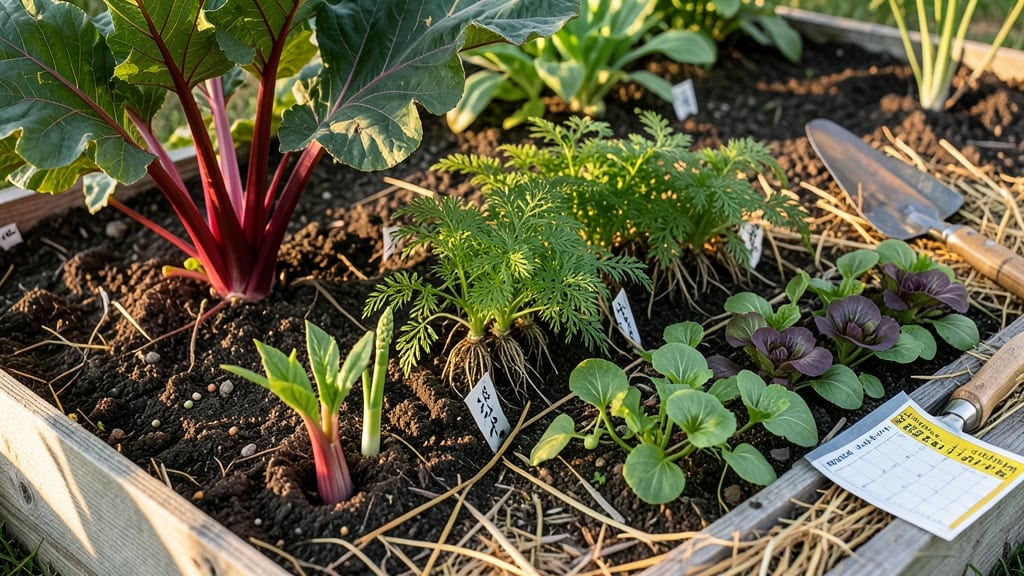
Timing when to plant a garden in Minnesota 🌱 isn’t just about following a calendar—it’s about beating the frost, understanding your hardiness zone, and knowing exactly when to start seeds or transplant.
One wrong move, and you could lose weeks of growth to a surprise late frost, or worse, miss the growing season entirely.
With USDA Zones 3-5 bringing unpredictable frost dates, the difference between a bountiful harvest and a disappointing one often comes down to knowing your last spring frost (usually around May 15) and first fall frost (around September 20).
But here’s the game-changer: even within these averages, your specific location—whether you’re in the Twin Cities or rural northern Minnesota—can shift your planting window by weeks.
In this guide, I’ll break down the exact spring and fall planting windows for Minnesota, from hardy cool-season crops like spinach to heat-loving tomatoes. You’ll learn how to extend your season with row covers, when to start seeds indoors, and how to adjust for early or late years.
No more guessing—just a clear, zone-specific roadmap to a thriving garden.
Whether you’re a first-time gardener or a seasoned pro, these insights will help you avoid common mistakes like planting too early in Zone 3 or overlooking soil temperature. Let’s get your 🌱 Vegetable Garden off to the best possible start—no frost-related surprises included.
Minnesota frost dates by hardiness Zone: your planting timeline
Minnesota spans USDA Hardiness Zones 3–5, where frost dates can shift dramatically from year to year. In Zone 3 (northern MN), the last spring frost typically arrives around May 15, while Zone 5 (southern MN) often sees frost-free conditions by April 25.
These dates are your garden’s lifeline—plant too early, and a late frost will kill tender seedlings.
For warm-season crops like tomatoes, peppers, and corn, wait until after the last frost and when soil temperatures reach 50°F (10°C). Cool-season crops such as spinach, peas, and lettuce can handle lighter frosts and can often be planted 4–6 weeks before the last expected frost date.
Fall planting in Minnesota requires equal precision. The first frost usually hits Zone 3 by September 20 and Zone 5 by October 10. Plant frost-hardy crops like kale, carrots, and radishes in early August for a late-season harvest.
🌱
| Zone | Last Spring Frost | First Fall Frost | Ideal Planting Window |
|---|---|---|---|
| Zone 3 | May 15 | September 20 | May 20–June 15 (spring), July 1–August 10 (fall) |
| Zone 4 | May 1 | September 30 | April 25–May 20 (spring), July 15–August 20 (fall) |
| Zone 5 | April 25 | October 10 | April 15–May 10 (spring), July 20–September 5 (fall) |
Use these frost dates as guidelines, but always check local forecasts—especially in Zone 3, where late frosts are more common. For example, southern MN (Zone 5) can sometimes plant spinach in March, while northern MN (Zone 3) may need to wait until mid-April.
If you’re unsure about your exact frost dates, use frost-sensitive plants like basil or tomatoes as a test. Plant them outdoors after your estimated last frost date and monitor for damage. If they survive, you’re likely in the clear!
For perennials and shrubs, timing matters too. Plant in early spring or fall when the soil is workable but not frozen. In Minnesota, this usually means April–May or September–October, depending on your zone.
🌿
Pro tip: Keep a gardening journal to track your frost dates over the years. Minnesota’s climate shifts, and your notes will help you fine-tune your planting schedule. For instance, if you notice tomatoes thriving when planted June 1 in your area, adjust future plans accordingly.
Remember, soil temperature is just as critical as air temperature. Use a soil thermometer to confirm it’s 50°F (10°C) before planting warm-season crops. Cold soil can stunt growth, even if the air feels warm.
Finally, don’t forget about microclimates. Urban areas in Minnesota (like Minneapolis or St. Paul) can be 2–5°F warmer than rural zones, extending your growing season slightly. Observe your specific location’s patterns over time.
How to extend your Minnesota growing season for early/late planting
Minnesota’s short growing season doesn’t mean you have to settle for a small harvest. With the right strategies, you can push your planting windows by 2-4 weeks—both in spring and fall.
I’ve tested these methods in my own Zone 4 garden, and they’ve made a noticeable difference in my yield.
Start by using frost cloths or row covers to protect tender seedlings from late spring frosts. These lightweight fabrics raise soil temperatures by 5-10°F, allowing you to plant peppers and tomatoes up to 3 weeks earlier than the average last frost date.
Place cold frames over cool-season crops like spinach and kale in late summer to extend harvests into November. The glass traps heat, keeping roots 10°F warmer than ambient air.
Instead of planting all your lettuce or radishes at once, stagger plantings every 2 weeks. This ensures a steady supply and maximizes your garden’s potential in Minnesota’s 100-day growing window.
Opt for early-maturing tomatoes (like ‘Early Girl’) or bush beans that mature in 50 days or less. These can still produce a harvest even when planted in early July.
For fall planting, focus on hardy crops like kale, carrots, and Brussels sprouts, which tolerate light frosts. I’ve had success planting these as late as August 15 in my Zone 4 garden, with harvests continuing until November.
Don’t forget to monitor your soil temperature—it’s just as critical as air temperature. Use a soil thermometer to ensure it’s at least 50°F before planting warm-season crops like peppers and cucumbers. This simple tool has saved me from failed starts more times than I can count! 🌱