
Planting
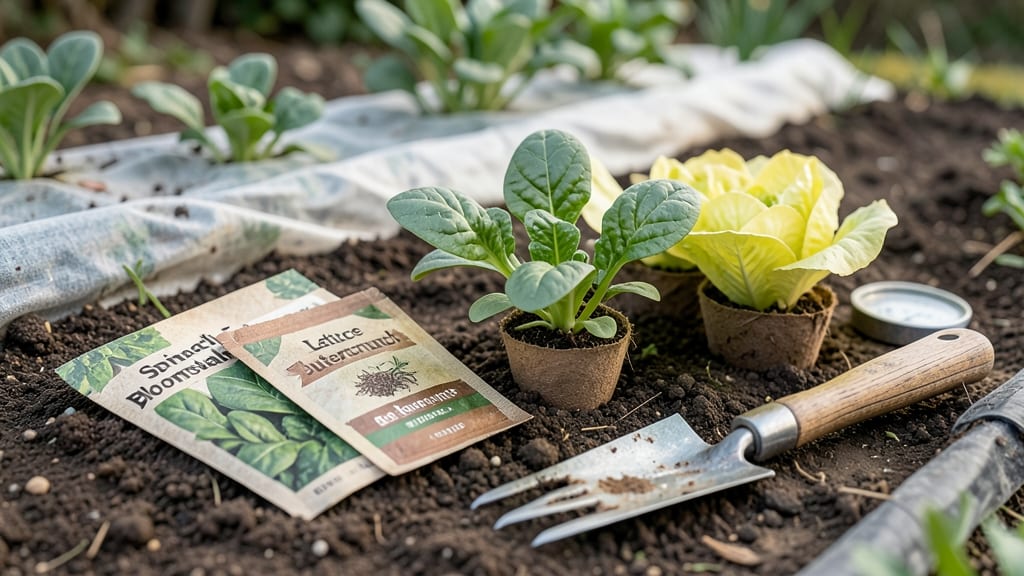
When should you plant a garden in Ohio? Timing your garden just right in Ohio isn’t just about luck—it’s the key to avoiding frost damage and maximizing your harvest. Whether you're planting cool-season greens or heat-loving tomatoes, getting the dates wrong can mean the difference between a bumper crop and wasted effort.
Ohio’s Zone 5-6 climate throws a curveball with unpredictable frost dates, but with the right strategy, you can outsmart Mother Nature. I’ll walk you through the exact windows for spring planting, summer succession crops, and even fall harvests—so you never guess again.
From early March for hardy greens to late July for fall planting, Ohio’s growing season is packed with opportunities if you know when to start. Let’s break down the science behind frost-free timing and how to adjust for your specific corner of the state.
Ready to transform your garden from a gamble into a guaranteed success? Let’s dive into the perfect planting schedule for Ohio’s unique climate—no more wasted seeds or missed harvests.
Ohio’s frost dates & planting zones 5-6: critical timelines for zero-frost risk
Ohio spans USDA Zones 5-6, where frost dates can vary by 2-3 weeks between northern and southern regions. The Ohio Agricultural Research and Development Center tracks average last spring frost dates between April 15 (southern Ohio) and May 1 (northern Ohio).
First fall frosts typically arrive October 15-30, with northern areas freezing earlier.
Your personal planting window depends on your exact location. For example, Columbus (Zone 6a) has a 150-day growing season, while Toledo (Zone 5b) only gets 130 days. Use the 50°F soil temperature rule—wait until soil warms to this for warm-season crops like tomatoes and peppers.
Microclimates add complexity. Urban areas like Cincinnati often warm faster than rural Appalachian foothills. A south-facing slope may thaw 1-2 weeks earlier than a north-facing yard. Always check local weather forecasts 1-2 weeks before your target planting date.
Here’s how to calculate your frost-free period:
| Region | Avg. Last Spring Frost | Avg. First Fall Frost | Frost-Free Days |
|---|---|---|---|
| Northern Ohio (Zone 5b) | May 1 | October 15 | 130-140 days |
| Central Ohio (Zone 6a) | April 15 | October 25 | 150-160 days |
| Southern Ohio (Zone 6b) | April 1 | November 1 | 160-170 days |
🌱 Use these dates as guidelines—adjust based on your microclimate!
For cool-season crops like lettuce or spinach, you can plant 4-6 weeks before your last frost date. These hardy greens tolerate light frosts. Warm-season crops (tomatoes, peppers, cucumbers) need to wait until 2 weeks after your last frost to avoid transplant shock from cold snaps.
Ohio’s Zone 5-6 transition means some areas (like Lima) may experience late May frosts, while others (like Athens) can safely plant by mid-April. Always verify with your local Cooperative Extension office for hyper-local advice.
Pro tip: Use biodegradable row covers to extend your spring planting window by 2-3 weeks. These lightweight fabrics protect seedlings from 28°F temperatures—perfect for Ohio’s unpredictable late April weather.
Remember, fall planting is just as critical. Many Ohio gardeners harvest 50% of their annual vegetables from fall plantings! Start broccoli, kale, and carrots in late July for a frost-sweetened harvest before winter.
If you’re in Zone 5b, aim to finish planting warm-season crops by July 15 to ensure maturity before frost. In Zone 6a/b, you can push this to August 1 for slower growers like cabbage or Brussels sprouts.
For zero-frost risk, use Ohio State University’s Frost Probability Calculator (available online) to input your ZIP code. This tool adjusts for historical data and gives you 90% confidence intervals for your frost dates.
Best planting schedule for Ohio gardens: cool-season vs. warm-season crops by month
Ohio’s diverse climate means your planting schedule should shift based on whether you’re growing cool-season crops (like lettuce and spinach) or warm-season staples (tomatoes and peppers). The key is aligning your plantings with soil temperatures and frost-free periods to avoid wasted effort or lost harvests.
For Ohio’s USDA Zones 5-6, these are the proven windows:
Start cool-season crops as early as mid-March in southern Ohio or late April in the north. These hardy plants thrive in 50-65°F soil and can handle light frosts.
By contrast, warm-season crops like tomatoes and peppers need soil temps above 60°F, so wait until mid-May in most regions—after the last frost date.
🌱Pro Tip: Use a soil thermometer to confirm readiness. Warm-season crops planted too early will linger or rot in cold soil.
| Month | Cool-Season Crops | Warm-Season Crops | Fall Planting Window |
|---|---|---|---|
| March | Peas, spinach, kale (southern OH) | Start seeds indoors | N/A |
| April | Lettuce, radishes, carrots (after last frost) | Transplant seedlings (late April) | N/A |
| May | Succession plant lettuce | Direct sow beans, cucumbers | N/A |
| June | N/A | Peppers, eggplants (soil >60°F) | N/A |
| August | Broccoli, cabbage (for fall harvest) | Succession plant beans | Spinach, kale (late August) |
| September | Lettuce, radishes, garlic | N/A | Peas, carrots (northern OH) |
For fall planting, focus on frost-hardy crops like kale, spinach, and garlic after mid-August. These can survive light frosts and even improve in flavor after a frost. Meanwhile, warm-season crops like tomatoes and peppers should be harvested before October—unless you’re using row covers to extend the season.
🌿Succession Planting: Extend harvests by staggering plantings every 2-3 weeks for crops like lettuce, beans, and radishes. This ensures a continuous supply instead of one-time bounty.
Ohio’s microclimates (e.g., urban heat islands vs. rural areas) can shift frost dates by 1-2 weeks. Check your local Cooperative Extension office for hyper-local advice, or use a frost calendar app to track real-time updates.
Even a 10°F difference can mean the difference between success and failure for tender crops like basil or squash.