
Plants
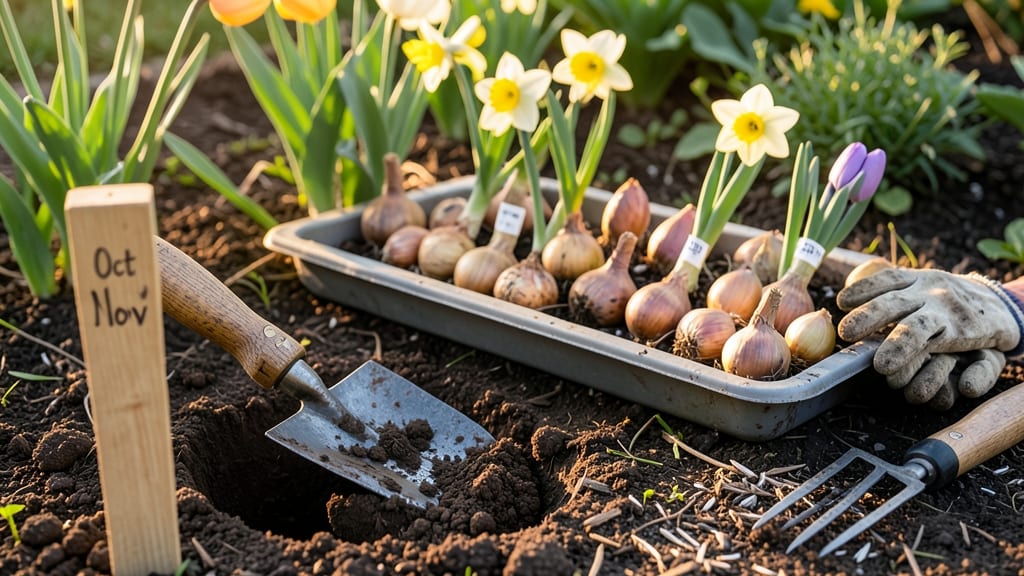
Knowing when to plant bulbs in Zone 7b is the difference between a showstopping spring garden and a sad, empty landscape.
In this mild-winter zone, timing matters more than you might think—plant too early, and your bulbs could rot; too late, and frost will stunt their roots before they can establish.
Most spring-flowering bulbs like tulips and daffodils need 6-8 weeks of cool soil before winter sets in. That means in Zone 7b, your window is tight: aim for late October to mid-November, when soil temps drop to 60°F but haven’t frozen yet.
But here’s the kicker: not all bulbs follow the same schedule. Crocuses and hyacinths, for example, can handle cooler soil, while giant daffodils need a little more warmth. I’ll break down the exact timing for each type so you never miss the mark again.
Ready to transform your yard into a spring blooming paradise? Let’s dive into the step-by-step schedule that guarantees vibrant flowers—no guesswork required.
Optimal planting windows for Zone 7B bulbs by type
Zone 7B’s mild winters create a unique challenge for bulb planting—plant too early, and roots may rot before winter; too late, and bulbs won’t establish before frost. The key is planting when soil temperatures drop to 50-60°F (10-15°C) but before ground freezes.
For most spring-blooming bulbs, this means October through early November, while fall-blooming varieties like crocus can go in slightly later.
Your local frost date is critical. In Zone 7B, the average first frost arrives around November 15, but microclimates can shift this by weeks.
Use your last frost date (April 15) as a backward count: plant bulbs 6-8 weeks before that first frost to ensure roots establish before winter dormancy begins.
Soil temperature, not calendar dates, dictates perfect timing. Use a soil thermometer to confirm temps between 50-60°F (10-15°C). If your soil stays warmer than this past mid-October, wait—bulbs planted in warm soil may sprout prematurely and get frost damage. Cooler soil triggers dormancy and protects tender roots.
Not all bulbs thrive on the same schedule. Tulips and daffodils need early planting (October), while hyacinths and alliums tolerate slightly later dates (November). Crocus, the hardiest, can even be planted in December if soil isn’t frozen.
Your Zone 7B garden’s elevation and aspect (north vs. south slope) also matter—shady spots stay cooler longer, delaying planting by 1-2 weeks.
| Bulb Type | Ideal Planting Month | Soil Temp Trigger | Depth (inches) | Notes for Zone 7B |
|---|---|---|---|---|
| Tulips | October | 50-60°F (10-15°C) | 6-8" | Plant early to prevent rot; needs chilling. |
| Daffodils | October-November | 50-60°F (10-15°C) | 6-8" | Deer-resistant; tolerates late planting. |
| Hyacinths | November | 45-55°F (7-13°C) | 6" | Fragrant but needs cooler soil; plant later. |
| Crocus | November-December | 40-50°F (4-10°C) | 3-4" | Hardiest; blooms early under snow. |
| Alliums | October-November | 50-60°F (10-15°C) | 6-8" | Drought-tolerant; great for pollinators. |
For spring-blooming bulbs, aim to plant when daytime highs consistently drop below 70°F (21°C).
This usually aligns with late September to mid-October in Zone 7B. If your fall is unusually warm (like 2023’s heatwave), delay planting until soil temps naturally cool—even if it means waiting until November. Patience prevents rot and ensures strong roots.
Zone 7B’s mild winters also mean some bulbs can handle late planting. Daffodils and alliums, for example, often survive planting as late as December if soil isn’t frozen.
Test with your finger: if you can push it 6 inches deep without resistance, it’s safe to plant. Use a so
Optimal planting windows for Zone 7B bulbs by type
Zone 7B gardeners have a 6-8 week window to plant most spring-blooming bulbs before the first hard frost—typically between mid-October and early November. This timing ensures bulbs establish strong roots while still benefiting from fall rains. Soil temperatures should ideally drop to 50-60°F before planting for optimal growth.
Fall-blooming bulbs like crocus and hyacinths can be planted slightly later, even in December, as they require less chilling time.
However, tulips and daffodils need that early window to thrive. Missed the deadline? Some bulbs can be planted in early spring (March), but they may bloom later or produce fewer flowers.
| Bulb Type | Ideal Planting Window | Soil Temp Trigger | Frost Risk |
|---|---|---|---|
| Tulips | Mid-October to November 1 | 50-60°F | High (Nov 15) |
| Daffodils | October 15 - November 15 | 45-55°F | Moderate |
| Hyacinths | October 1 - November 10 | 55-65°F | Moderate |
| Crocus | October 15 - December 1 | 40-50°F | Low |
For Zone 7B’s mild winters, bulbs planted in September may sprout too early and get damaged by late-season warmth. Wait until soil temperatures consistently stay below 60°F at night. Use a soil thermometer to track—this is especially critical for tulips and hyacinths, which are frost-sensitive.
Pro tip: Layer bulbs in the same hole—plant the largest bulbs (like daffodils) at the bottom and smaller ones (like crocus) on top. This creates a stunning vertical display in spring while maximizing space. Mulch lightly after planting to insulate bulbs without smothering them.
If you’re in a warmer microclimate within Zone 7B (like near large bodies of water), push planting to late October or November. Conversely, elevated areas may experience frost earlier—plant by mid-October to be safe. Always check your local frost dates for precision.
Remember: No blooms next spring? It’s likely due to planting too late. Bulbs need 6-8 weeks of root growth before winter sets in. Mark your calendar and set reminders—this small step makes all the difference for vibrant spring gardens! 🌷