
Plants
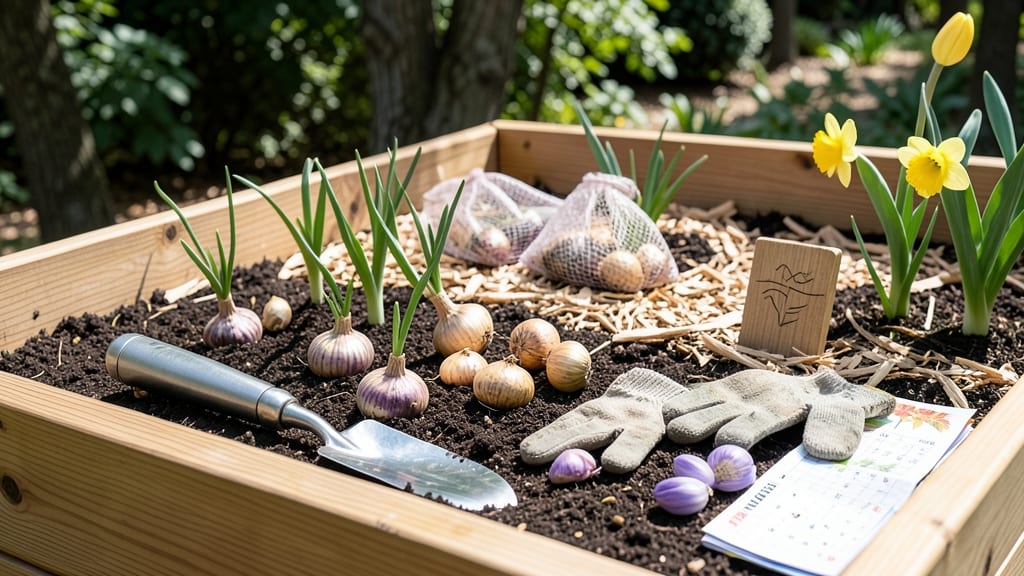
If you’ve ever wondered when to plant bulbs in Zone 6 and dreaded the thought of wasted effort, you’re not alone. The difference between vibrant spring blooms and a patch of dirt comes down to timing—and getting it wrong can mean the difference between success and disappointment.
Zone 6 gardeners know that bulbs like tulips and daffodils need 6-8 weeks before the ground freezes to establish strong roots. Planting too early risks rot, while waiting too late means frost will stunt growth before roots can anchor.
The key is understanding your local frost dates and soil conditions to create the perfect window for planting.
In this guide, I’ll break down the exact months for planting spring-flowering bulbs in Zone 6, including soil prep tips and spacing guidelines. You’ll also discover why most bulbs should never be planted in spring—and the rare exceptions that can save your garden.
Whether you’re a beginner or a seasoned gardener, mastering the timing will ensure your bulbs thrive and reward you with stunning blooms next season. Let’s get started!
Best months to plant spring-flowering bulbs in Zone 6 for maximum frost hardiness
In Zone 6, the 6–8 weeks before your first frost (typically mid-October to early November) is your golden window for planting spring-flowering bulbs like tulips, daffodils, and hyacinths.
This timing lets bulbs establish strong roots before winter dormancy, ensuring vibrant blooms next spring. Aim for soil temps between 40–50°F—cooler than summer but still workable.
Your first frost date in Zone 6 usually lands around October 15, so count backward: October 1–November 15 is ideal. For example, if your frost hits October 20, plant by September 15 to give roots time to anchor.
Pro tip: Use a soil thermometer to confirm temps—cool but not frozen soil is key.
Bulbs need 6–8 weeks of root growth before winter sets in. If planted too late, roots won’t mature enough to survive freezing and thaw cycles, leading to weak or no blooms.
Early plantings (like September) risk rot if soil stays too warm and wet, while late plantings (after November 15) risk frost damage before roots establish.
Here’s a Zone 6 planting timeline for classic spring bulbs:
| Bulb Type | Planting Window | Soil Temp | Root Growth Goal |
|---|---|---|---|
| Tulips | October 1–November 15 | 40–50°F | 6–8 weeks before frost |
| Daffodils | September 15–November 1 | 45–55°F | 8+ weeks for hardiness |
| Hyacinths | October 15–November 10 | 40–50°F | 6 weeks minimum |
| Crocuses | September 1–October 15 | 45–60°F | Early root start |
For best results, prep your soil by amending with compost or aged manure to improve drainage—bulbs rot in soggy soil. Plant bulbs 2–3 times as deep as their height (e.g., a 2-inch daffodil bulb goes 4–6 inches deep) and space them 3 times their diameter apart.
This prevents crowding and disease.
After planting, mulch with 2–3 inches of straw or shredded leaves to insulate bulbs from temperature swings and freeze-thaw cycles. Remove mulch in early spring once shoots appear to avoid rot.
Water deeply once after planting to settle soil, then skip watering until spring—overwatering in winter can drown bulbs.
Zone 6 gardeners often ask: Can I plant bulbs in December? The short answer is no. By December, soil is often too cold (below 40°F) for roots to grow, and bulbs risk frost heave (being pushed out of soil by freezing/thawing).
If you miss your window, hold bulbs in a cool, dark place (like a garage) and replant next fall.
Pro move: Mark your planting dates on a garden calendar or set a phone reminder for October 15—this is your last safe day in most of Zone 6. Early plantings (like September) work for crocuses and snowdrops, which thrive with a longer root season.
For tulips and hyacinths, stick to October–November for maximum bloom power.
Remember: The sooner you plant within the window, the stronger your blooms will be next spring. Bulbs planted in early October often outperform those planted in mid-November by 30–50% in flower count and size. Test a few bulbs in early October and late October to see the difference for yourself!
Best months to plant spring-flowering bulbs in Zone 6 for maximum frost hardiness
For Zone 6 gardeners, the 6–8 week window before your average first frost (mid-October) is critical for planting spring-flowering bulbs like tulips and daffodils. This timing ensures bulbs establish strong root systems before winter dormancy, giving them the resilience to survive Zone 6’s 10–20°F winters.
Aim for October through early November—any later, and roots won’t anchor deeply enough to withstand freeze-thaw cycles.
Soil temperatures play a pivotal role in root growth. Bulbs need 60–70°F soil to sprout but cooler temps (50–60°F) to trigger dormancy. In Zone 6, soil typically hits this sweet spot by late September to early October.
Use a soil thermometer to confirm—planting when temps drop below 50°F risks rot before roots establish.
| Bulb Type | Ideal Planting Window | Depth (inches) | Spacing (inches) | Notes |
|---|---|---|---|---|
| Tulips | October–November | 6–8" | 4–6" | Plant early for best bloom; avoid spring planting. |
| Daffodils | September–October | 6–8" | 3–6" | Deer-resistant; tolerates wet soil better than tulips. |
| Hyacinths | October–November | 6" | 4–5" | Fragrant but needs well-draining soil; avoid low spots. |
| Crocuses | September–October | 3–4" | 2–3" | Early bloomers; great for naturalizing in lawns. |
Don’t let early frost dates fool you—planting too soon (e.g., September) can trigger premature sprouting, leaving bulbs vulnerable to rot or frost heave. Instead, focus on soil conditions: Wait until the ground cools to 60°F or below at a 6-inch depth.
A simple trick? Plant when daytime highs average 70°F but nights dip into the 50s—this signals ideal timing for most Zone 6 regions.
Pro tip: Chill bulbs for 8–12 weeks before planting if you’re in a warmer microclimate (e.g., near urban heat islands). Store them in a cool, dark garage (35–45°F) to mimic natural winter conditions. This mimics the vernalization process and ensures blooms next spring, not wasted effort.
After planting, mulch heavily (4–6 inches) with straw or shredded leaves to insulate bulbs from temperature swings. This extra layer can mean the difference between survival and failure in Zone 6’s unpredictable winters. Remove mulch in early spring once shoots emerge to prevent rot from trapped moisture.
Remember: Spring planting is a last resort—bulbs planted in March or April rarely achieve the same vigor or bloom size as fall-planted varieties. The 6–8 week root window before summer heat sets in is simply too short for most species.
Stick to fall planting, and you’ll reward yourself with bold, early-season blooms that brighten Zone 6 gardens year after year.