
Trees
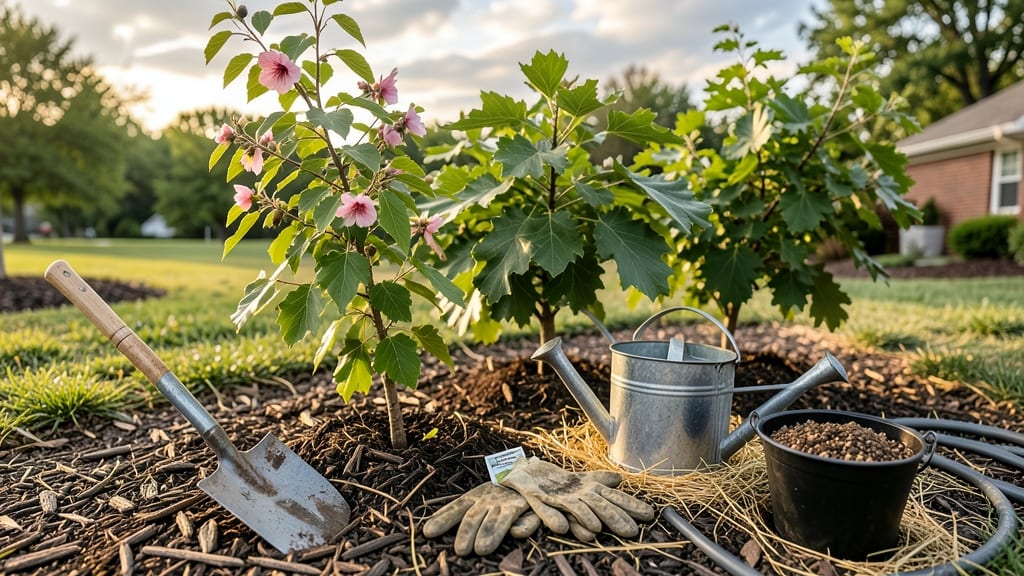
The best time to plant trees in Oklahoma isn’t just about the calendar—it’s about giving your 🌳 the fighting chance it needs to thrive in our unpredictable climate.
Whether you're in the cooler 6a zones of northwest Oklahoma or the warmer 8a areas of the south, timing can mean the difference between a sturdy shade provider and a struggling sapling.
Fall and early spring are your golden windows, but why? Fall planting lets roots establish before winter dormancy, while spring gives trees a head start before Oklahoma’s brutal summer heat sets in.
I’ll break down exactly which months work best for your specific zone—and how to avoid the costly mistakes that trip up even experienced gardeners.
You’ll discover how soil temperature, frost dates, and even tree species play a role in success. For example, oak trees love late fall, while pecans prefer early spring—getting this wrong could leave your investment struggling for years.
Let’s make sure your trees get off to the right start with science-backed timing.
From preparing your soil to post-planting care, I’ll walk you through every step to ensure your new trees take root like pros. Ready to plant with confidence? Let’s dig in.
Oklahoma’s planting zones: when to plant trees by USDA hardiness Zone
Oklahoma’s diverse climate—from the panhandle’s arid plains to the eastern forests’ humidity—means planting times vary dramatically. The USDA hardiness zones 6a-8a dictate the best windows, but local microclimates (like wind exposure or soil moisture) can shift ideal timing by weeks.
For example, Zone 6a (northwest OK) has a shorter growing season, while Zone 8a (south) allows earlier spring planting.
Most Oklahoma gardeners agree: fall (October-November) and early spring (March-April) are the golden windows. These periods align with soil temperatures between 50-70°F, which encourages root establishment without stressing the tree. However, rushing planting in late spring (May-June) risks transplant shock from Oklahoma’s brutal summer heat.
| Zone | Best Planting Months | Soil Temp (°F) | Key Considerations |
|---|---|---|---|
| 6a (Northwest OK) | April 15-May 15 or Sept 15-Oct 15 | 50-60°F | Avoid late spring planting; drought risk |
| 7a (Central OK) | March 20-April 30 or Sept 1-Oct 15 | 55-65°F | Prioritize fall for moisture retention |
| 8a (South OK) | Feb 15-March 30 or Sept 15-Oct 30 | 60-70°F | Early spring avoids summer heat stress |
In Zone 6a, where first frosts can hit by November 15, planting in late fall (Sept-Oct) gives roots time to establish before winter. Meanwhile, Zone 8a gardeners can start as early as mid-February—but only if soil isn’t waterlogged from winter rains.
Use a soil thermometer to confirm temperatures are ideal before digging.
Oklahoma’s clay-heavy soils (especially in central and eastern regions) can become compacted when wet. Amend planting holes with compost or sand to improve drainage, particularly in Zone 7a, where heavy rains in spring can delay planting.
For container-grown trees, spring planting (March-April) is safer than fall, as roots won’t have time to establish before frost.
Don’t overlook wind exposure, especially in the panhandle (Zone 6a), where 30+ mph winds are common. Planting in sheltered locations or using windbreaks (like temporary fencing) can prevent root desiccation and stem damage. Native species like Eastern Red Cedar are naturally wind-resistant and thrive in these conditions.
For bare-root trees, the dormant season (late fall to early spring) is ideal because they’ve lost their leaves and can focus energy on root growth. In contrast, container-grown trees can be planted year-round (except winter), but spring or fall still offer the best success rates.
Always water deeply after planting to eliminate air pockets in the soil.
Pro tip: Mulch heavily (3-4 inches) after planting to retain moisture and regulate soil temperature. Use organic mulch like wood chips or straw, keeping it 6 inches away from the trunk to avoid rot. In Zone 8a, where summers are longer, mulch helps protect roots during 100°F+ heatwaves.
If you must plant in late spring (May-June), choose shade-tolerant species like Crape Myrtle or Southern Magnolia, and provide daily shade cloth for the first 4-6 weeks. Monitor soil moisture closely—Oklahoma’s summer droughts can dry out roots in under 2 weeks without proper care.
Remember: Root growth, not top growth, is your priority in the first year. A tree planted in optimal conditions can establish 50% more roots than one stressed by poor timing or weather.
With Oklahoma’s variable climate, planning ahead ensures your tree starts strong and grows to maturity with minimal stress. 🌳
Tree species that thrive in Oklahoma’s unique climate: best planting times by type
Oklahoma’s climate varies dramatically from the panhandle’s dry plains to the eastern forests’ humidity, making species selection and timing critical for success. I’ve planted everything from native oaks to pecan orchards here, and the difference between thriving and struggling trees often comes down to when—and how—you plant them.
Let’s break down the best planting windows for Oklahoma’s top tree species, including how to adapt for your specific microclimate. Whether you’re in Zone 6a’s cooler north or Zone 8a’s warmer south, these timings will help your trees establish strong roots before Oklahoma’s extreme seasons hit.
Oak Trees (White, Red, Bur)
Plant bare-root oaks in late fall (Oct-Nov) or early spring (Feb-Mar) to avoid transplant shock. Oklahoma’s clay soils benefit from pre-winter root establishment.
Pecan Trees
Best planted in early spring (March) when soil is workable but before heat stress. Avoid fall planting—pecans are susceptible to fungal diseases in wet Oklahoma winters.
Pine Trees (Loblolly, Shortleaf)
Optimal window: Sept-Oct for container-grown pines or April for bare-root. Oklahoma’s frequent summer droughts make fall planting ideal for root depth.
For fruit trees like peach or plum, aim for early spring (Feb-Mar) in southern Oklahoma or late March-April in northern zones. These trees need time to establish before Oklahoma’s summer heat peaks, and planting too late can lead to transplant shock or pest vulnerabilities.
Pro tip: If you’re planting container-grown trees outside their ideal window, use shade cloth and deep watering to reduce stress. I’ve successfully planted pines in May using these methods, though fall remains the gold standard for most species.
🌳