
Plants
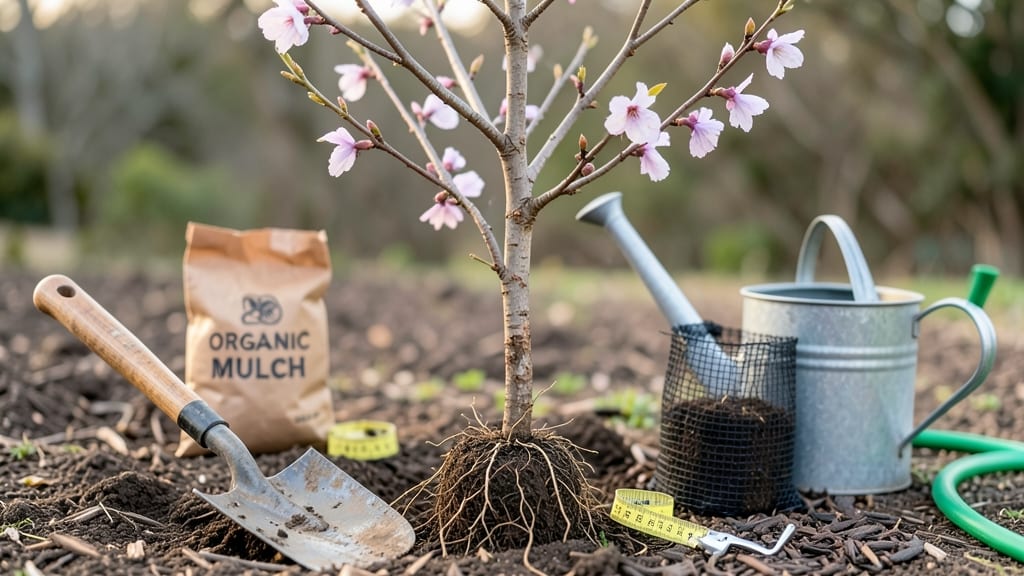
Knowing when to plant crape myrtle in Zone 9 isn’t just about avoiding frost—it’s about giving your 🌸 the perfect head start for vibrant blooms and strong roots. In Zone 9b, where winters are mild but summers scorching, timing matters more than you’d think.
Plant too early, and your crape myrtle might struggle with lingering cool spells. Too late, and the summer heat can shock its delicate roots before they’ve had a chance to establish.
The best window—late winter to early spring—lets you work with nature’s rhythm while keeping your plant safe from extremes.
I’ve seen gardeners in Zone 9 double their success rate by planting in February or March, when soil temperatures are just right and rainfall is steady. But what if you miss that window? Don’t worry—I’ll show you how to adjust for summer planting and still get stunning results.
Whether you’re a first-time crape myrtle grower or a seasoned pro, these insights will help you avoid common pitfalls and set your plant up for a show-stopping display. Let’s get those roots growing the right way!
Optimal planting windows in Zone 9: month-by-month breakdown for crape myrtle success
In Zone 9, crape myrtles thrive when planted during two ideal windows: early spring and late summer. These periods align with soil temperatures between 60°F and 75°F, perfect for root establishment.
Spring planting (February–March) gives young roots time to strengthen before summer heat, while late summer (August–September) lets them establish before winter dormancy.
Zone 9’s 300+ frost-free days mean frost isn’t the only concern—summer heat stress and drought conditions also impact timing. For example, planting in May or June risks shock from sudden heat spikes, while late fall planting (October–November) leaves roots vulnerable to winter cold snaps.
🌱
| Planting Window | Best Months | Soil Temp (°F) | Rainfall (in/month) | Root Growth Risk |
|---|---|---|---|---|
| Early Spring | February–March | 60–70°F | 1.5–2.5" | Cold snaps (if late) |
| Late Summer | August–September | 70–75°F | 0.5–1.5" | Summer drought |
| Avoid | May–June | 80°F+ | 0.2–0.8" | Heat shock |
| Avoid | October–November | 50–65°F | 0.5–1.2" | Winter cold |
🌿 Late summer often outperforms spring for Zone 9 crape myrtles due to cooler soil and established summer rains.
For Zone 9b (warmer microclimates like coastal areas), extend late summer planting into early October—just ensure soil stays above 55°F at night. In contrast, inland areas (e.g., Phoenix or Las Vegas) should prioritize February–March to avoid extreme summer heat.
My top recommendation for Zone 9 gardeners is late August planting. This window lets roots establish before monsoon rains taper off, reducing transplant shock. Pair this with 2–3 inches of mulch to retain moisture and regulate soil temperature.
If you’re unsure about your local microclimate, check your last frost date (typically January 15 in Zone 9) and plant 6–8 weeks after. For example, if frost occurs January 20, aim for March 15–April 1.
Pro tip: Use a soil thermometer to confirm temperatures. Crape myrtles struggle in soils below 55°F or above 85°F. In Southern California, for instance, March is ideal, while Arizona’s September works best due to cooler nights.
🌳
After planting, monitor for wilting leaves (sign of heat stress) or yellowing foliage (overwatering). In Zone 9’s dry climate, deep watering every 5–7 days for the first month ensures root development. Once established, crape myrtles need bi-weekly watering but thrive with drought tolerance.
For container planting, adjust timing by 2–4 weeks later than ground planting. Containers heat up faster, so late spring (April–May) is safer. Use well-draining pots and lightweight potting mix to prevent root rot.
Signs your crape myrtle planting timing is wrong (and how to fix it)
Even with the best intentions, planting your crape myrtle at the wrong time in Zone 9 can lead to stunted growth or even death.
One of the biggest red flags is yellowing leaves within weeks of planting—this often signals root stress from either too much heat or cold snaps you missed.
Another warning sign is slow or no new growth after 4-6 weeks. If your plant isn’t sprouting fresh leaves or extending branches, it’s likely struggling to establish roots due to poor timing or soil conditions.
This happens most often when planted in late spring or early summer, when the Zone 9 heat dries out the soil too quickly.
🚨 CRITICAL WARNING: If your crape myrtle’s leaves start drooping or wilting even after watering, it could mean you planted during a heatwave or didn’t acclimate the roots properly. This is especially common with bare-root plants in June or July.
⚠️ DANGER SIGNS OF WRONG PLANTING TIME
- 🍂 Yellow leaves (nutrient stress from poor timing)
- 🌡️ Wilting despite water (heat shock or transplant shock)
- 🌱 No new growth after 6 weeks (roots struggling to adapt)
- 🐛 Pest infestation (weak plants attract insects faster)
🔧 FIX IT: Trim damaged leaves, mulch heavily, and water deeply at morning for 2 weeks to recover.
If you suspect you planted too early, check for frost damage—look for brown or blackened tips on new growth. In Zone 9, this usually means planting in January or early February before the last frost risk (typically around January 15).
The fix? Prune damaged branches back to healthy growth and fertilize lightly with a balanced 10-10-10 mix to encourage recovery.
For late plantings (after May), the biggest issue is transplant shock from summer heat. Your crape myrtle may survive but will struggle to bloom the first year.
To help, shade the plant with a 50% shade cloth for the first 2 weeks and water deeply every 3-4 days until roots establish.
Pro tip: Always test your soil temperature before planting—ideal range for crape myrtles is 60-70°F. Use a soil thermometer to avoid guessing. If temps are outside this range, wait at least 2-3 weeks or use container growing to delay planting until conditions improve.