
Trees
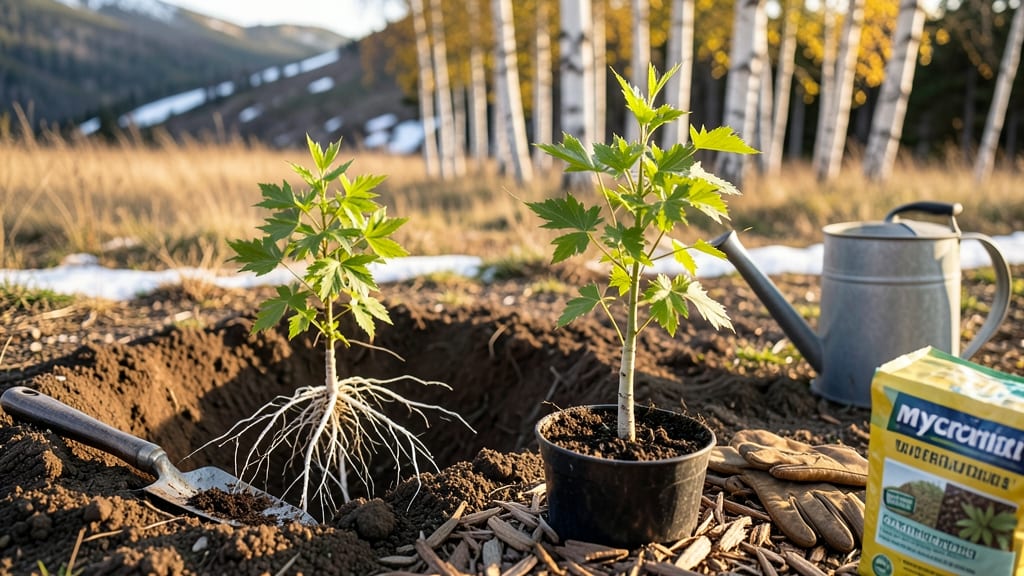
Timing your aspen tree planting in Colorado could mean the difference between a thriving 🌳 and a struggling sapling that never makes it through winter. With Colorado’s unpredictable weather—from early snowfall in the mountains to late frosts on the Front Range—getting the window right is everything.
Most gardeners assume spring is the only option, but Colorado’s unique climate actually gives you two prime chances: early spring (March-April) when the soil thaws, or late fall (September-October) before the first hard freeze.
Each approach has its advantages, depending on where you live in the state—whether you're in Denver’s USDA Zone 5 or the Western Slope’s higher elevations.
I’ve seen firsthand how a few weeks’ difference in planting can determine whether your aspen takes root deeply enough to survive Colorado’s harsh winters. The key is understanding your specific microclimate—altitude, soil type, and even nearby water sources all play a role.
Let me walk you through exactly when and how to plant for maximum success in your corner of Colorado.
From preparing your soil to protecting young roots from our notorious wind and frost, I’ll cover every step to give your aspen the best possible start. By the end, you’ll know not just when to plant, but how to set it up for long-term growth in Colorado’s challenging conditions.
Optimal planting windows for aspen trees in Colorado’s climate zones
Colorado’s diverse USDA Hardiness Zones 5-7 and dramatic altitude shifts create unique challenges for planting aspen trees. Unlike many plants, aspens thrive when planted during early spring or late fall, but Colorado’s short frost-free season demands precision.
Aim for March-April in most regions, but adjust for high-altitude zones (above 8,000 ft) where frost lingers longer.
In Front Range cities like Denver (Zone 5b-6a), plant between mid-March and mid-April to capitalize on warming soils before the 130-160 frost-free days begin. For the Western Slope (Zones 6b-7a), extend your window to late March through May thanks to milder winters and earlier thaws.
Here’s how Colorado’s elevation impacts timing:
| Zone/Elevation | Ideal Planting Window | Soil Temp Threshold | Key Consideration |
|---|---|---|---|
| Zone 5 (5,000–6,000 ft) | March 15–April 15 | 45–50°F (7–10°C) | Risk of late frosts; protect with frost cloth |
| Zone 6 (6,000–7,500 ft) | April 1–May 1 | 50–55°F (10–13°C) | Stable soils by mid-April; minimal frost risk |
| Zone 7 (7,500–9,000 ft) | May 1–June 1 | 55–60°F (13–16°C) | Wait for mountain snowmelt; water stress risk |
| High Altitude (9,000+ ft) | June 1–July 1 | 60°F+ (16°C+) | Short season; prioritize root establishment |
For late fall planting (September-October), Colorado’s dry climate allows aspens to establish roots before dormancy, but only in Zone 6-7. Water deeply every 7–10 days until the first hard frost to prevent desiccation.
Avoid planting in Zone 5 after September 15th—your saplings won’t have enough time to harden off before winter.
Pro tip: Use soil thermometers to confirm 45°F+ soil temps at 4 inches deep before planting. Cold soils slow root growth, and Colorado’s sandy loam warms faster than clay-heavy soils in Western Slope regions.
If you’re planting bare-root aspens, do it as soon as soils are workable—even if that means February in Denver. Container-grown trees, however, can wait until April when roots have more time to adjust to Colorado’s alkaline soils.
Remember: Aspens are fast-growing but need 6–8 hours of sun daily. In Colorado’s shorter daylight hours of spring, choose south-facing sites to maximize light exposure during critical root-establishment phases.
🌳
Optimal planting windows for aspen trees in Colorado’s climate zones
Colorado’s diverse USDA Hardiness Zones 4-7 create distinct planting windows for aspen trees. In Zone 4 (elevation 5,000–7,000 ft), aim for late April to early May when soil temperatures reach 45°F. Higher elevations (Zone 5+) benefit from March planting to capitalize on Colorado’s 130–160 frost-free days.
For Front Range areas (Denver, Boulder), early spring (March) works best, while Western Slope (Grand Junction, Durango) can push planting to April–May due to later frost dates. Avoid planting in June or later—new roots need 6–8 weeks to establish before winter.
🌳
Bare-root aspen trees thrive when planted before bud break (typically late March–April). Container-grown saplings offer a 2-week extension into May, but avoid planting after June 15—young roots won’t harden before winter. Use a soil thermometer to confirm 40°F+ soil temps before planting.
For high-altitude sites (8,000+ ft), delay until mid-May to avoid late spring frosts. Always check local frost dates via the Colorado State University Extension maps, as microclimates vary dramatically even within 50-mile radii.
🌡️