
Flowers
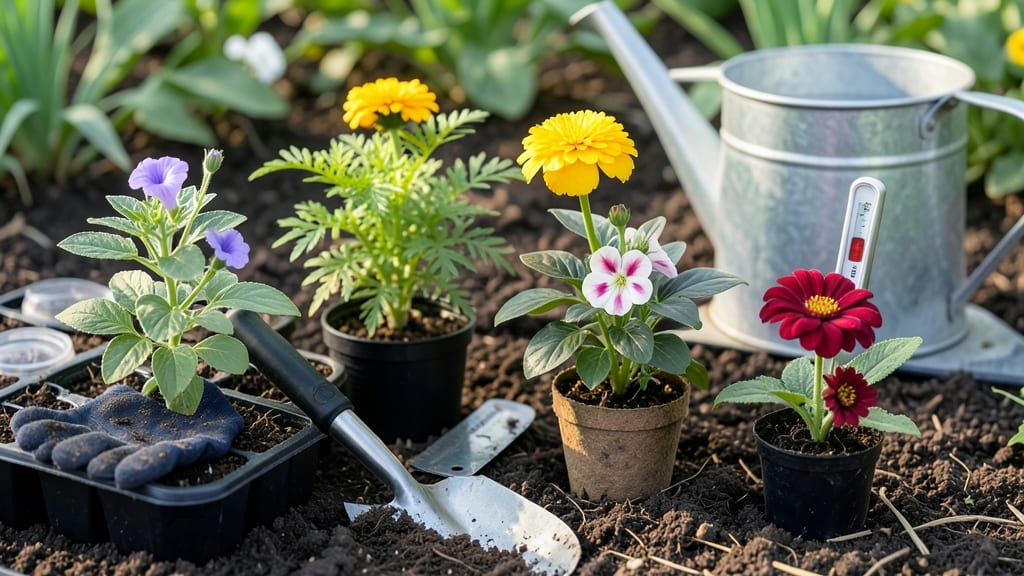
Knowing when is it safe to plant flowers in Ohio could mean the difference between a garden bursting with color and one that never takes off.
Ohio’s unpredictable spring weather—from late frosts in April to sudden heatwaves—makes timing everything. If you’ve ever watched your delicate 🌸 seedlings wilt overnight, you’re not alone.
The key is waiting until after the last average frost date, usually between April 15 and May 15, but this varies wildly across Ohio’s USDA Zone 6a. Northern regions like Cleveland often play it safer, while southern areas near Cincinnati might push planting a week earlier.
Without the right timing, even heat-loving flowers like zinnias or black-eyed Susans can struggle.
In this guide, I’ll break down Ohio’s frost zones, share tricks to extend your planting window, and recommend heat-tolerant flowers that thrive when summer finally arrives. Whether you’re a first-time gardener or a veteran with frostbitten memories, these insights will help you plan with confidence.
Let’s dive into how to turn Ohio’s unpredictable spring into your garden’s best season yet—without the guesswork.
Ohio’s last frost dates by region: when to plant flowers safely
Ohio’s diverse geography means frost dates vary dramatically—from late April in southern regions like Cincinnati to mid-May in northern areas like Toledo. These differences can shift your planting window by 3-4 weeks, so knowing your exact zone is critical.
The USDA Plant Hardiness Zone Map (Zones 5-7 in Ohio) helps, but local microclimates—like urban heat islands or lake-effect cooling—can further adjust these timelines.
For most Ohio gardeners, the average last frost date falls between April 15 (southern Ohio) and May 10 (northern Ohio). However, late frosts (below 32°F) can still occur in May, especially in higher elevations like Appalachian regions.
Always wait until nighttime temperatures consistently stay above 50°F before planting tender annuals like petunias or geraniums.
🌱Pro Tip: Use the Ohio Agricultural Research and Development Center’s (OARDC) frost calendar for real-time updates. Their data shows that 90% of frost risk passes by May 1 in most of Ohio, but northern counties may need to wait until May 15.
| Region | Avg. Last Frost | Safe Planting Window | Microclimate Notes |
|---|---|---|---|
| Southern Ohio (Cincinnati, Columbus) | April 15 | April 20–May 5 | Urban areas warm faster; valleys hold frost longer. |
| Central Ohio (Lima, Mansfield) | April 25 | May 1–May 10 | Flat terrain; frost risk extends into May. |
| Northern Ohio (Toledo, Cleveland) | May 10 | May 15–May 25 | Lake-effect cooling delays warming. |
| Appalachian Ohio (Athens, Zanesville) | May 5 | May 10–May 20 | Higher elevations stay colder; plant later. |
Soil temperature is just as critical as air temperature. Most flower seeds and transplants need soil to warm to at least 60°F for optimal germination. Use a soil thermometer to confirm—cool, damp soil can delay sprouting even after frost risk passes.
In northern Ohio, where soils warm slower, consider heat-loving annuals like marigolds or sunflowers, which tolerate cooler soils better than tomatoes or impatiens.
🌡️Key Rule: If your morning lows dip below 50°F for 3+ nights, protect seedlings with frost cloth or move pots to a sheltered spot. Even hardy perennials like peony or daylily can suffer if planted too early in Zone 5 areas.
For bulbs like tulips or daffodils, plant in fall (October–November) to establish roots before winter. These can handle Ohio’s frost, but tender bulbs like cannas must wait until after May 15 in most regions.
Always check the USDA Zone label on bulb packages—some varieties thrive in Zone 6 but struggle in Zone 5.
📅Ohio-Specific Resources: The Ohio State University Extension offers a free frost date tracker and garden calendars tailored to your county. Bookmark their “Garden Facts” series for variety-specific planting guides. For example, zinnias can handle 50°F nights but may bolt in 90°F+ heat, while black-eyed Susans are more forgiving.
If you’re unsure about your local frost date, use the “3-4-5 Rule”: After your average last frost, wait an extra 3 weeks for seeds, 4 weeks for transplants, and 5 weeks for heat-sensitive varieties like begonias.
This buffer accounts for Ohio’s unpredictable late-spring temperature swings, which can cause heat stress in newly planted flowers.
🌿Final Check: Before planting, monitor your local National Weather Service forecast for frost warnings in
Top 10 heat-tolerant flowers for Ohio’s hot summers
Ohio’s summers can hit 90°F+, and not all flowers handle the heat well. But with the right heat-tolerant varieties, you can keep your garden blooming all season long. These drought-resistant flowers thrive in Ohio’s climate, requiring less water and still delivering stunning color. Whether you’re a beginner or a seasoned gardener, these low-maintenance picks will keep your garden vibrant without the fuss.Start with Lantana, a drought-loving annual that produces clusters of colorful blooms. Its ability to thrive in full sun and poor soil makes it a top choice for Ohio’s hot, dry spells. Next, consider Zinnias—they’re not only heat-resistant but also attract pollinators like bees and butterflies.
These flowers bloom quickly and come in a rainbow of colors, perfect for adding a pop of vibrancy to your garden.
For perennials, Black-Eyed Susans and Coneflowers are unbeatable. Both handle Ohio’s heat and humidity with ease, offering long-lasting blooms from mid-summer to fall. Russian Sage is another fantastic option—its silvery foliage and lavender-blue flowers add texture and color while requiring minimal water once established.
Don’t overlook Portulaca (Moss Rose) for its succulent-like leaves and bright, long-lasting blooms.
It thrives in full sun and poor, rocky soil, making it ideal for Ohio’s challenging summer conditions. Salvia varieties, like Salvia coccinea or Salvia leucantha, also excel in heat, offering striking spikes of color that attract hummingbirds.
If you love purple blooms, Bee Balm is a must-have. It’s heat-tolerant, drought-resistant, and its fragrant flowers attract pollinators. For a touch of elegance, Lavender not only survives Ohio’s heat but also repels pests naturally. Its silvery-green foliage and calming scent make it a dual-purpose plant for any garden.
For a wildflower look, try Blanket Flower (Gaillardia). Its daisy-like blooms come in shades of red, yellow, and orange, and it thrives in full sun with minimal water.
Finally, Marigolds are a classic choice for their heat tolerance and pest-repelling properties. They’re easy to grow, bloom prolifically, and add a cheerful touch to any garden bed.
To ensure success, water deeply but infrequently—most of these flowers prefer dry soil once established. Mulch around the base to retain moisture and protect roots from extreme heat. With these heat-loving flowers, your Ohio garden will stay beautiful and resilient all summer long. 🌻🌿
🌸 Top 10 Heat-Tolerant Flowers for Ohio
- 1. Lantana – Drought-resistant, full sun, colorful clusters
- 2. Zinnias – Fast-growing, pollinator-friendly, vibrant blooms
- 3. Black-Eyed Susans – Perennial, long-blooming, low-maintenance
- 4. Coneflowers – Drought-tolerant, pollinator magnet, golden centers
- 5. Russian Sage – Silvery foliage, lavender blooms, heat-resistant
- 6. Portulaca (Moss Rose) – Succulent-like, bright blooms, full sun
- 7. Salvia – Hummingbird favorite, drought-tolerant, striking spikes
- 8. Bee Balm – Fragrant, purple blooms, attracts pollinators
- 9. Lavender – Pest-repelling, silvery-green foliage, calming scent
- 10. Marigolds – Classic heat-lover, pest-deterrent, cheerful blooms
Plant these heat-tolerant flowers after the last frost date in your Ohio region—typically mid-April to early May. For annuals, sow seeds directly into the garden once soil temperatures reach 60°F+. Perennials can be planted in early spring or fall for best results.
With these varieties, your garden will stay lush and colorful even during Ohio’s hottest days. 🌞✂️