
Flowers
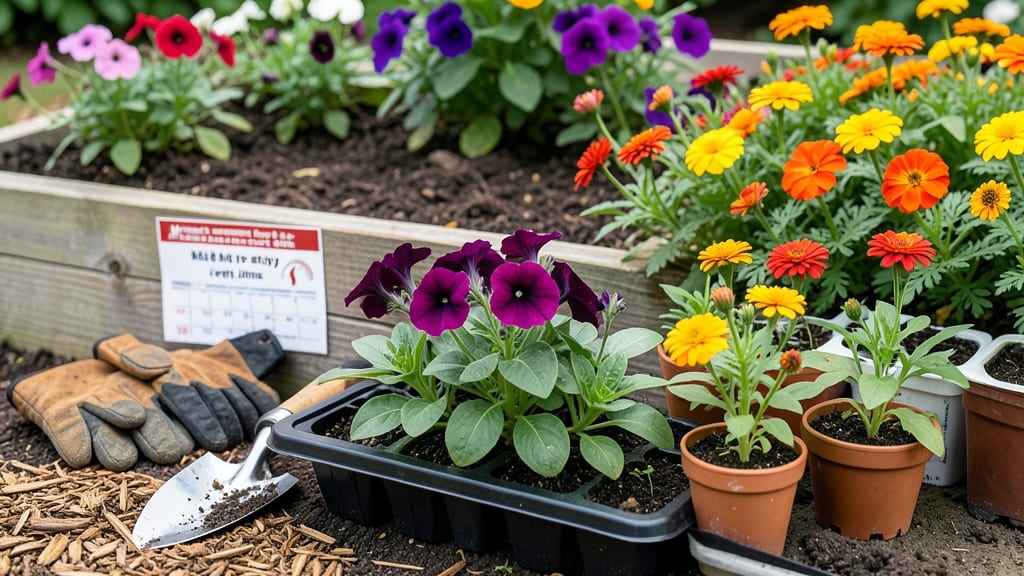
Michigan’s frost-free dates by Zone: exact timing for zero-risk flower planting
Michigan’s diverse USDA hardiness zones (4-6) mean frost-free dates vary dramatically. In Zone 4 (Upper Peninsula), the average last frost typically occurs around May 15-20, while Zone 6 (southern Michigan) sees frost-free conditions by April 25-May 5.
These dates are critical for planting tender annuals like impatiens or marigolds, which can’t tolerate even light frost.
However, these averages are just a starting point. Michigan’s unpredictable spring weather often brings late frosts—even in May—so always check your local Michigan State University Extension updates or use a soil thermometer to confirm safety.
For example, in Zone 5b (common in Detroit and Lansing), frost can linger until May 10-15, delaying planting by weeks.
Here’s the key: Wait until soil temperatures consistently reach 50°F (10°C) at a depth of 4 inches. This ensures roots establish without shock. In cooler zones, consider hardy perennials like coneflowers or black-eyed Susans, which tolerate earlier planting.
For annual flowers, prioritize planting after the last frost but before June 15 to ensure a full blooming season. In Zone 6, you can even squeeze in a fall planting of frost-hardy annuals like chrysanthemums in early September, giving them time to root before winter.
Pro tip: Use Michigan’s 10-day forecast from the National Weather Service to spot late frost risks. If frost is predicted within 7 days of planting, delay by at least a week. This is especially critical for tender perennials like dahlias, which need warmth to thrive.
Don’t overlook microclimates—south-facing slopes warm up faster than shaded areas. If your garden sits in a low spot or near a lake, frost lingers longer. Test your soil with a thermometer for 3 consecutive days at 50°F before planting heat-lovers like sunflowers or cosmos.
For bulbs like tulips or daffodils, plant in fall (October-November) when soil temps drop below 60°F. These hardy plants need cold stratification to bloom beautifully the following spring. Timing is equally critical for perennials—divide and transplant in early spring (April) or fall (September) to avoid stress.
Remember: Heatwaves can be just as damaging as frosts. If a sudden heatwave hits after planting, mulch heavily and water deeply to protect young roots. This is particularly important in Zone 6, where summer temps can spike quickly.
By aligning your planting with local frost data and soil conditions, you’ll maximize bloom time and minimize stress on your flowers. Start with hardy varieties in early spring, then transition to heat-lovers as temperatures rise—this layered approach ensures a continuous display from May through October.
How to adjust planting dates for Michigan’s unpredictable heatwaves and late frosts
Michigan’s weather can be as unpredictable as a spring shower—one day warm enough to plant, the next a surprise frost that turns your tender flowers into crispy snacks. To avoid this gardening nightmare, I’ve learned to use soil thermometers and NOAA frost forecasts to fine-tune planting dates.
A general rule? Wait until the soil temperature hits at least 50°F (10°C) and the air temperature stays consistently above 55°F (13°C) for at least a week.
Heatwaves can also throw off your timing. If a 90°F+ (32°C+) heatwave hits right after planting, young flowers may bolt or wilt.
I’ve found that heat-tolerant varieties like zinnias and cosmos give me a safety net—planting them 2 weeks later than frost-sensitive flowers like impatiens or marigolds ensures they’ll thrive even in Michigan’s summer swelter.
- 1. Use a Soil Thermometer: Plant only when soil is 50°F+ (10°C+) at 2-inch depth—surface temps can be misleading! 🌱
- 2. Track NOAA Forecasts: Check 7-day highs/lows for your USDA zone (4-6) via NOAA’s Climate Prediction Center. A 32°F (0°C) dip can still kill tender seedlings! ❄️
- 3. Stagger Plantings: Sow fast growers (e.g., radishes) early, then slow growers (e.g., sunflowers) 2-3 weeks later to spread risk. 🌻
- 4. Choose Heat-Tolerant Flowers: Opt for zinnias, cosmos, or black-eyed Susans—they handle 90°F+ (32°C+) better than petunias or begonias. ☀️
- 5. Use Frost Cloth: For late-May plantings, cover seedlings with frost cloth if a 40°F (4°C) night is forecasted. It buys you 2-4°F (1-2°C) protection! 🧥
Another trick I swear by? Container gardening. Potted flowers warm up faster in spring and can be moved to sheltered spots if frost threatens. I’ve successfully grown geraniums and coleus in containers by moving them indoors during unexpected cold snaps in late May or early June.
Don’t forget to harden off seedlings before planting. If you’ve been nurturing them indoors under grow lights, gradually expose them to outdoor conditions over 7-10 days.
Start with 2 hours of shade and work up to full sun. This toughens their skin and reduces shock when you finally transplant them into the garden.
For perennials, timing matters too.
Plant peony or daylily roots in early spring (April) or early fall (September)—they need time to establish roots before winter. Annuals, on the other hand, can wait until mid-May in most of Michigan, but Zone 4 gardeners should hold off until after Memorial Day to be safe.
Lastly, keep a gardening journal to track your local microclimate. Note when your last frost actually occurs each year—it might be 2 weeks later than the USDA average if you’re in a heat-sink area (like near a large body of water).
Over time, you’ll build a personalized planting calendar that beats Michigan’s mood swings every time. 🌿