
Plants
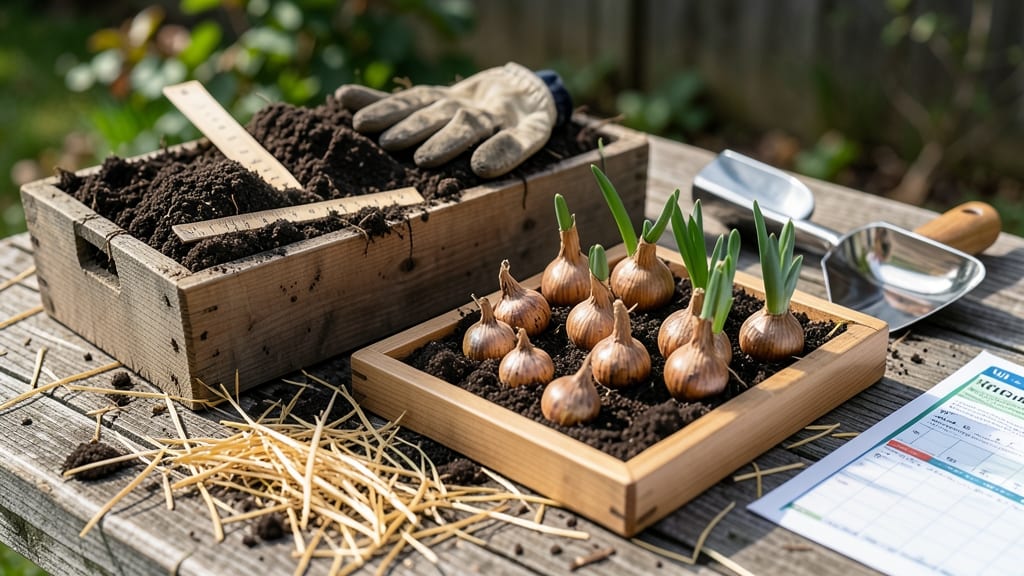
If you’ve ever planted Spring-Blooming Bulbs (Tulips, Daffodils, Hyacinths, etc.) 🌷 in New Jersey only to watch frost nip them before they bloom, you’re not alone—and the fix is simpler than you think.
The perfect planting window in NJ isn’t just about months; it’s about soil temperatures, frost dates, and even your specific hardiness zone (6a-7b). Plant too early, and your bulbs might rot; too late, and they won’t root before winter sets in.
But with the right timing—typically between October and mid-November—you can guarantee vibrant blooms next spring.
I’ll break down exactly when to plant in your corner of NJ, from Northern counties where frost hits earlier to Southern areas with milder winters. You’ll also learn how to prep your soil, choose the hardiest bulbs for your zone, and adjust for NJ’s unpredictable weather patterns.
Ready to transform your garden into a springtime showstopper? Let’s dive into the zone-specific secrets that’ll keep your bulbs thriving—no matter what NJ throws at them.
Best months to plant bulbs in NJ by hardiness Zone (6b vs 7a)
New Jersey’s USDA Zones 6b and 7a create a tricky balance for bulb planting. In Zone 6b (Northern NJ), the first frost hits by mid-October, while Zone 7a (Southern NJ) often holds off until late October or November.
This difference means your planting window shifts 2-4 weeks depending on where you live.
Most gardeners focus on fall planting for spring blooms, but timing is critical. Plant too early, and bulbs may sprout before winter—only to die in frost. Too late, and they won’t establish roots before the ground freezes.
The sweet spot is 4-6 weeks before your area’s first frost, which typically lands in October for Zone 6b and November for Zone 7a.
Here’s the breakdown: In Northern NJ (Zone 6b), aim for mid-September to mid-October. For Central NJ (Zone 6b/7a transition), stretch your window to late September to late October. Meanwhile, Southern NJ (Zone 7a) gardeners can plant as late as early November—but don’t wait too long!
Spring planting is also an option for tender bulbs like dahlias, but these need to go in after the last frost (mid-April to early May). The key? Soil temperature should be at least 50°F (10°C) for spring-planted bulbs to thrive.
🌱
| Zone | First Frost | Ideal Planting Window | Bulb Types | Soil Temp Goal |
|---|---|---|---|---|
| 6b (Northern NJ) | Mid-October | Mid-September to mid-October | Tulips, daffodils, crocuses, alliums | 45-50°F (7-10°C) |
| 6b/7a (Central NJ) | Late October | Late September to late October | Hyacinths, fritillaries, snowdrops | 45-50°F (7-10°C) |
| 7a (Southern NJ) | Early November | Late September to early November | Daffodils, grape hyacinths, muscari | 45-50°F (7-10°C) |
| Spring Planting (All Zones) | N/A | Mid-April to early May | Dahlias, cannas, caladiums | 50°F+ (10°C+) |
🌱 Pro Tip: Use a soil thermometer to confirm temps before planting!
If you’re unsure about your zone, check the NJ State Climate Office or use the USDA Plant Hardiness Zone Map. Coastal areas (like Cape May) often have warmer microclimates than inland spots, so adjust accordingly.
For example, Atlantic City (Zone 7a) can plant later than Hudson Valley (Zone 6b).
Don’t overlook soil preparation—loosen the soil to 12 inches deep and mix in compost for better drainage. Bulbs rot in soggy soil, so amend heavy clay with sand or perlite if needed. A 5-10 inch layer of mulch after planting helps insulate roots during winter fluctuations.
For deer-prone areas (common in NJ), opt for daffodils or alliums, which deer avoid. Plant them in clusters of 10+ bulbs for a bold display—just don’t dig them up after blooming, or they won’t return next year!
✂️
How to adjust bulb planting for NJ’s unpredictable weather patterns
New Jersey’s weather is famously fickle—one week can bring early frost warnings, while the next delivers unseasonably warm spells. These swings make bulb planting tricky, especially in areas like the Pine Barrens or coastal regions where microclimates differ drastically from inland zones.
The key? Flexibility. Adjust your planting timeline based on soil temperature, not just the calendar.
Start by checking soil temperature—ideal planting occurs when it drops to 50–60°F (10–15°C) for fall bulbs. Use a soil thermometer or dig a small hole; if the soil feels cool but workable, it’s time.
In Northern NJ (Zone 6b), this usually aligns with late October, while Southern NJ (Zone 7a) may stretch into early November. But if a cold snap hits early, delay planting until temperatures stabilize.
🚨 CALLOUT WARNING 🚨
Low-lying areas (like valleys) and coastal regions (e.g., Cape May) can experience frost 2–3 weeks earlier than inland zones. If your area is prone to radiation frost, plant bulbs 2 weeks earlier than the general guideline.
🔹 Pro Tip: Use a frost cloth or mulch heavily (4–6 inches of straw) to protect newly planted bulbs if frost is forecasted within 10 days of planting.
For spring-planted bulbs (like caladiums or gladiolus), wait until after the last frost date, which in NJ typically falls between mid-April (Zone 6b) and early April (Zone 7a).
However, if you’re in a high-altitude area (e.g., the Kittatinny Mountains), err on the side of caution—plant no earlier than May 1 to avoid frost damage.
Mulching is your best friend in NJ’s unpredictable climate. After planting, apply a 3-inch layer of mulch (straw or shredded leaves) to insulate bulbs from temperature fluctuations.
In coastal areas, where winds can exacerbate cold, add an extra inch. Remove mulch in early spring (March) to allow shoots to emerge before the ground warms.
If you miss the ideal planting window, don’t panic. Spring planting is possible for hardy bulbs like daffodils or alliums, though they may bloom later. Plant these in March or early April and water deeply to encourage root growth.
For tender bulbs (like tulips), spring planting is risky—opt for potted bulbs instead, which you can force indoors for holiday blooms.
Finally, keep a planting journal to track NJ’s quirks. Note when you plant, local frost dates, and bulb performance. Over time, you’ll spot patterns—like your yard’s unique frost pockets—and refine your strategy. With these adjustments, even NJ’s wild weather won’t stand between you and a show-stopping spring display.