
Planting
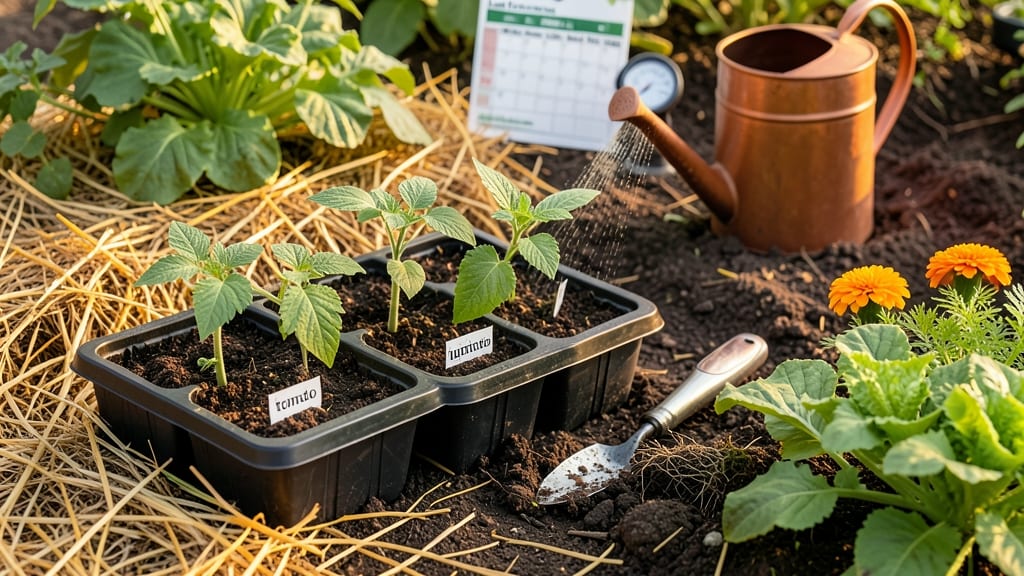
Timing your garden in Virginia isn't just about following a calendar—it's about beating the unpredictable frost that could turn your spring planting into a gamble.
Whether you're in the humid coast or the cooler mountains, getting those seeds in the ground at the right moment means the difference between a thriving harvest and a sad, wilted disappointment.
I've learned the hard way that Virginia's USDA zones 7a and 7b have their own rules, and last frost dates can swing by weeks depending on where you live.
The key isn't just knowing when to plant—it's understanding how to work with your local microclimate, whether that means waiting for warmer soil in the Piedmont or pushing your schedule a little earlier near the coast.
What if I told you there's a way to extend your planting window by weeks without risking frost? From using row covers to choosing heat-tolerant varieties, I'll walk you through the strategies that actually work in Virginia's climate.
No more guessing games—just a clear, zone-specific roadmap to get your garden off to the best possible start.
Let's dive into the exact deadlines, month-by-month planting schedules, and pro tips that will help you grow a garden that's not just surviving, but thriving—no matter where in Virginia you call home.
Virginia planting zones: last frost dates by region (2024 guide)
Virginia’s USDA zones 5a-8a create dramatic differences in planting windows—just 100 miles can shift your last frost by 2-3 weeks. The mountains (Zone 5a-6a) freeze later than the coastal plain (Zone 7b-8a), while Piedmont (Zone 7a) sits right in the middle.
Knowing your exact microclimate is key to avoiding frost damage.
For 2024 planning, use the NOAA Climate Data tool to find your local frost history. Most Virginia gardeners experience their last spring frost between March 15 and April 15, but elevations above 2,000 feet can delay this by 3+ weeks.
The first fall frost typically arrives between October 15 and November 15, with coastal areas holding off until November 30.
Here’s how Virginia’s three main regions break down for last frost averages—use this as your planting deadline baseline:
| Region | USDA Zone | Last Spring Frost | First Fall Frost | Frost-Free Days |
|---|---|---|---|---|
| Mountains (e.g., Roanoke, Blacksburg) | 5a-6a | April 15–May 1 | October 15–25 | 150–180 days |
| Piedmont (e.g., Richmond, Charlottesville) | 7a | March 25–April 10 | October 30–November 10 | 190–210 days |
| Coastal Plain (e.g., Norfolk, Virginia Beach) | 7b-8a | March 10–20 | November 15–30 | 220–240 days |
Pro tip: Mountain gardeners should wait until May 1 for warm-season crops like tomatoes, while coastal gardeners can plant peppers in early April with row covers. Always add 2 weeks to your local average for cold-sensitive plants like basil or eggplant.
For hyper-local precision, check the Virginia Cooperative Extension’s frost maps or use the Almanac’s Frost Calculator. These tools account for urban heat islands (cities stay warmer) and microclimates near water bodies. For example, Norfolk’s last frost is often 2 weeks earlier than Roanoke’s.
If you’re in Zone 7a or warmer, you can double-crop by planting cool-season greens (spinach, lettuce) in early September for a fall harvest. But in Zone 5a, stick to hardy kale or garlic planted by October 1 to survive winter.
Remember: Soil temperature matters just as much as air temperature. Use a soil thermometer—most vegetables need soil at 50°F+ to germinate, while peppers require 70°F+. In Virginia, this often means waiting until mid-April for direct sowing.
For container gardens, you can push limits by 1-2 weeks since pots warm up faster. But in-ground planting always follows the soil thermometer, not just the calendar. Mulch heavily after planting to protect roots from late spring frosts—they’re more common than you think!
🌱
Best month-by-month planting schedule for Virginia gardens
Virginia’s diverse climate means your planting schedule should shift from Zone 5a in the mountains to Zone 8a along the coast. The key is aligning your planting window with soil warmth and frost risk. For cool-season crops like lettuce or peas, start in early spring (March-April) or late summer (August-September).
Warm-season favorites like tomatoes and peppers need to wait until after your last frost, typically mid-April to early May.
In Zone 7a/b (most of Virginia), aim to plant warm-season veggies by May 1 to avoid late spring frosts. For heat-loving plants like okra or sweet potatoes, extend your window into June—they thrive in Virginia’s humid summers.
Meanwhile, fall crops like kale or garlic can go in as early as August for a winter harvest.
🌱
- March-April: Cool-season crops (spinach, peas, lettuce) and hardy perennials (asparagus, rhubarb). Soil should be 40°F+.
- Mid-April to May 1: Warm-season starts (tomatoes, peppers, eggplants) indoors. Transplant after last frost (use row covers if needed).
- May-June: Direct-sow warm crops (beans, corn, cucumbers) into warmed soil (60°F+).
- July-August: Succession plant heat-tolerant crops (okra, sweet potatoes, southern peas).
- August-September: Fall veggies (kale, broccoli, garlic) for winter harvests. Soil temps should drop to 70°F.
Don’t overlook microclimates—coastal areas (like Zone 8a) can plant 2-3 weeks earlier than inland spots. Use NOAA’s frost maps to pinpoint your last frost date.
For example, Roanoke (Zone 7a) averages its last frost on April 15, while Norfolk (Zone 8a) sees frost-free soil by March 15. Adjust your schedule accordingly!
Pro tip: Succession planting every 2-3 weeks ensures a continuous harvest. For instance, sow bush beans every 10 days from May through July to avoid gluts. And always harden off seedlings for 1 week before transplanting to prevent shock.
For perennials, like asparagus or strawberries, plant crowns in early spring (March-April) when soil is workable but not soggy. These plants need 2-3 years to establish, so patience pays off with decades of harvests.
In Zone 7b+, you can even try tropical plants like ginger or yams in late spring.
🌿 Remember: Virginia’s humidity and summer heat demand consistent watering—aim for 1 inch per week during growing season. Mulch heavily to retain moisture and prevent fungal diseases common in our climate.