
Planting
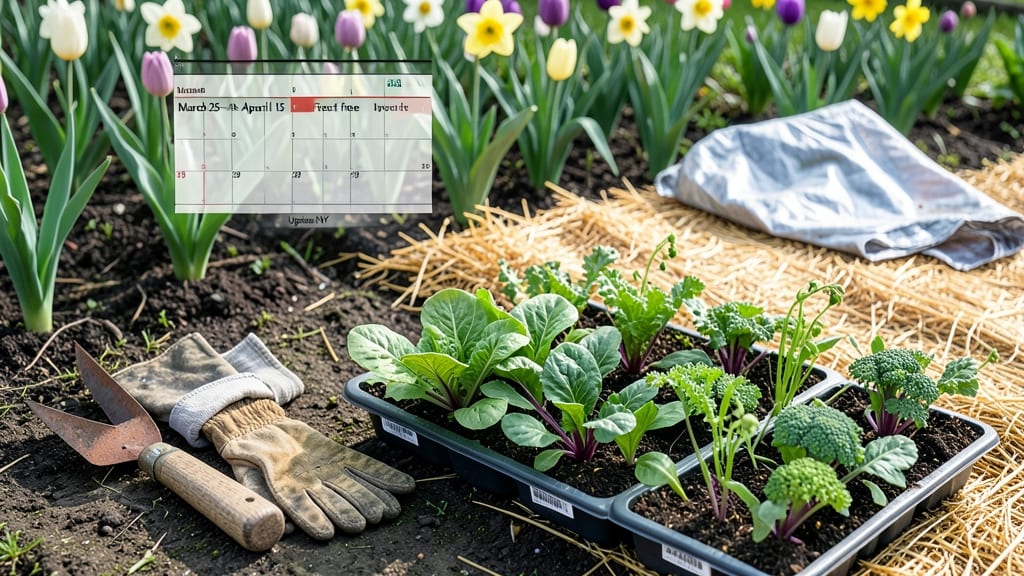
Timing your when to plant garden in Upstate NY perfectly can mean the difference between a bountiful harvest and a disappointing one—especially when frost dates are as unpredictable as the weather here.
With Upstate’s Zone 5b-6b climate, knowing exactly when to start seeds indoors or set plants in the ground is the key to success. Whether you're a seasoned gardener or just starting out, getting this right ensures your 🌱 General Garden Plants thrive all season long.
The last frost typically hits around mid-May, but that doesn’t mean you should wait until then to prep.
Cool-season crops like spinach and peas can go in the soil as early as late April, while warm-season favorites like tomatoes and peppers need to wait until after the frost danger has passed. Missing these windows could leave your garden struggling to keep up with the growing season.
In this guide, I’ll break down the exact planting schedule for Upstate NY, from frost dates to variety-specific tips. You’ll learn how to stretch your growing season, avoid common mistakes, and maximize your harvest—no guesswork required. Let’s get your garden off to the best possible start.
Whether you’re planting for spring’s first harvest or preparing for a fall crop, understanding these timelines will help you make the most of Upstate’s unique climate. Ready to dig in?
Upstate NY frost dates and last average frost timelines by month
Upstate New York’s Zone 5 climate means frost can linger well into spring and return early in fall. Knowing your last average frost date is critical—it determines when to plant heat-loving crops like tomatoes and when to sow cold-hardy greens.
Most of Upstate NY (including Syracuse, Albany, and Rochester) averages its last frost around May 10–20, but microclimates near lakes or hills can delay frost by 1–2 weeks.
For the Adirondacks and higher elevations (like Lake Placid), frost lingers later—sometimes until May 25–June 1. Meanwhile, southern areas (e.g., Binghamton or Utica) may see frost-free conditions by May 5–15. Always check your local USDA Plant Hardiness Zone map for precision, as frost dates shift yearly.
Here’s how to use frost dates to plan your garden:
| Region | Last Frost Date | First Frost Date | Planting Window |
|---|---|---|---|
| Syracuse, Utica | May 10–15 | October 10–15 | Late April–mid-June, August–early Sept |
| Albany, Schenectady | May 15–20 | October 5–10 | Late April–mid-June, late July–early Sept |
| Rochester, Buffalo | May 5–10 | October 15–20 | Early April–late May, August–mid-Sept |
| Adirondacks (Lake Placid) | May 25–June 1 | September 25–October 5 | Late May–early July, late July–early Sept |
To account for late frosts, use row covers or cold frames for early plantings. For example, if you’re sowing peas or spinach in March, protect them until late April.
Conversely, fall crops like kale or radishes can often handle light frosts, so plant them by August 15 for a harvest before winter.
Pro tip: Monitor local forecasts in April and September. The National Weather Service’s Albany or Buffalo offices provide 10-day frost outlooks—bookmark their pages for real-time updates. Even a 2-week delay can mean the difference between a thriving tomato plant and a frost-nipped failure.
For warm-season crops (tomatoes, peppers, cucumbers), wait until 2–3 weeks after your last frost date to transplant seedlings. Soil temperature should be at least 60°F—use a soil thermometer to check. Cool soil slows germination and stunts growth, even if air temperatures seem mild.
Fall planting is equally critical. Cool-season crops like broccoli and carrots thrive when days shorten, so sow seeds by August 1–15 for a harvest before the first frost. Use black plastic mulch to warm soil in spring or straw mulch to insulate roots in fall.
Upstate NY’s short 150–180 frost-free days demand efficiency. Prioritize fast-maturing varieties (e.g., ‘Early Girl’ tomatoes or ‘Sugar Snap’ peas) and stagger plantings every 2 weeks for continuous harvests. This strategy maximizes your growing season and minimizes wasted space.
Don’t forget to adjust for microclimates. South-facing slopes warm faster than north-facing beds, while low-lying areas may stay frost-prone longer. Observe your yard’s patterns over 2–3 years to refine your planting schedule.
With these frost timelines and local adjustments, you’ll avoid the heartbreak of frost-killed seedlings and instead enjoy a bountiful, well-timed harvest—just in time for Upstate NY’s famous fall foliage and crisp autumn air. 🌱
Best vegetables and flowers to plant by month in Upstate NY’s Zone 5
Timing your garden in Upstate NY’s Zone 5 isn’t just about knowing the last frost date—it’s about matching each plant to its ideal window. Cool-season crops like spinach and kale thrive in early spring, while tomatoes and peppers need warmer soil.
Let’s break down the best month-by-month planting schedule for your garden.
For spring planting, focus on cool-hardy vegetables like peas and lettuce 4-6 weeks before the last frost (around April 1st).
Warm-season crops such as beans and cucumbers should wait until 2-3 weeks after the last frost (mid-May). Flowers like marigolds and sunflowers can handle both spring and fall planting.
- Peas: Direct sow 4-6 weeks before last frost
- Spinach: Sow early spring or late summer
- Lettuce: Start seeds indoors in March, transplant after last frost
- Tomatoes: Transplant 2-3 weeks after last frost
- Peppers: Wait until soil is 60°F+ (late May)
- Marigolds: Sow after frost danger passes
- Kale: Plant 60 days before first frost (late July)
- Radishes: Fast growers—sow early August
- Sunflowers: Start seeds late summer for fall blooms
Don’t forget about transplanting! Many warm-season crops like tomatoes and peppers start indoors in March and need to be hardened off before moving outside. Cool-season crops like broccoli and cabbage can handle early spring transplanting if you use row covers for protection.
For flowers, marigolds and nasturtiums are great for spring planting and will bloom all season. Sunflowers and cosmos can be direct-sown in late spring or early fall for extended color. Perennials like coneflowers should be planted in early spring or fall to establish strong roots.
Pro tip: Use succession planting for fast-growing crops like lettuce and radishes. Sow new seeds every 2-3 weeks to ensure a continuous harvest. This works especially well in Upstate NY’s shorter growing season.
Finally, keep an eye on weather forecasts and adjust your planting dates if unseasonable frosts or heatwaves are predicted. Flexibility is key when gardening in Zone 5—your plants will thank you! 🌿