
Planting
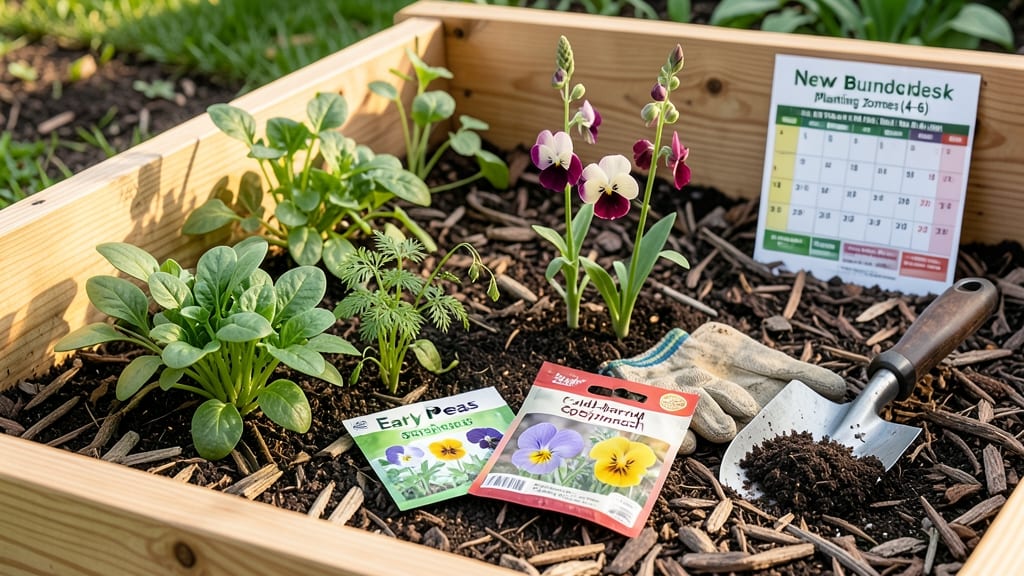
Timing your garden planting in New Brunswick can mean the difference between a thriving harvest and a frost-killed disappointment—so knowing the exact zero-frost deadlines by zone is non-negotiable. Whether you're a first-time gardener or a seasoned green thumb, the province's varied climate zones demand precision to maximize your 🌱 potential.
From Fredericton's cooler inland areas to Moncton's slightly milder coastal regions, each location has its own frost-free window that determines when to plant. I'll walk you through the science behind these deadlines and how to use them to plan your garden like a pro.
You'll discover which crops thrive when planted early spring, which need to wait for warmer soil, and how to extend your growing season with smart timing. Let's break down the month-by-month planting schedule that works for New Brunswick's unique conditions.
By the end, you'll know not just when to plant, but how to adjust for microclimates that can make all the difference. Ready to turn your garden dreams into reality? Let's get started.
New Brunswick frost dates by Zone: last spring & first fall frosts
New Brunswick’s diverse climate—from the cooler inland valleys of Fredericton to the warmer coastal areas near Saint John—means frost dates vary dramatically. Understanding these zone-specific deadlines is your first step to avoiding frost damage and maximizing your garden’s potential.
Whether you’re growing heat-loving tomatoes or cold-hardy kale, timing is everything.
Most of New Brunswick falls under USDA Zones 5a and 6a, with Saint John (Zone 5b) and Moncton (Zone 6a) offering slightly longer growing seasons.
The average last spring frost ranges from mid-May in Fredericton to early May in coastal areas, while the first fall frost typically arrives between mid-September and early October, depending on elevation and proximity to water.
For precision planting, I recommend using the New Brunswick Agricultural Extension’s frost-free calculator or local weather station data. These tools account for microclimate variations, like urban heat islands in Moncton or wind exposure near the Bay of Fundy.
Even a 10-day difference in frost dates can mean the difference between a bountiful harvest and a failed crop.
| Zone & Location | Last Spring Frost (Avg.) | First Fall Frost (Avg.) | Frost-Free Window | Key Crops for Zone |
|---|---|---|---|---|
| Fredericton (Zone 5a) | Mid-May (May 15) | Early October (Oct 5) | 140–150 days | Peas, lettuce, tomatoes, potatoes |
| Moncton (Zone 6a) | Early May (May 1) | Late September (Sep 25) | 150–160 days | Peppers, cucumbers, basil, zucchini |
| Saint John (Zone 5b) | Late April (Apr 25) | Mid-September (Sep 15) | 130–140 days | Kale, broccoli, early cabbage, radishes |
If you’re planting warm-season vegetables like tomatoes or peppers, wait until 2 weeks after your area’s last frost date. These plants won’t tolerate cold soil, and even a light frost can kill young seedlings.
For cool-season crops like spinach or peas, you can start as early as April in Zone 6a or May in Zone 5a, but use row covers to protect tender shoots.
Pro tip: Check the soil temperature before planting. Most vegetables thrive when soil is at least 50°F (10°C). Use a soil thermometer to confirm—cold soil slows germination and stunts growth.
In Fredericton, this often means waiting until late May, while Moncton’s warmer soil may be ready by early May.
For perennial flowers and shrubs, timing matters too. Plant bare-root perennials in early spring (March–April) or fall (September–October) to give roots time to establish before extreme temperatures.
In New Brunswick, fall planting is especially effective for hardy perennials like coneflowers or daylilies, which benefit from cooler weather and winter moisture.
Don’t forget about fall planting for cold-hardy crops! In Zone 6a, you can direct-sow spinach, kale, and radishes as late as mid-August, giving them time to mature before winter.
Use a frost blanket to extend the season further. Even in Zone 5a, hardy greens can be planted by early August for a late harvest.
Local gardening groups often share real-time frost updates, so join a group like the New Brunswick Gardeners’ Association for crowd-sourced insights. Their members track frost dates year-round, and their data can help you adjust for unpredictable weather patterns like early spring freezes or delayed fall frosts.
Remember: Microclimates matter. A south-facing slope in Fredericton might warm up 1–2 weeks earlier than a low-lying area, while coastal Saint John can experience delayed frosts due to ocean influence. Always scout your specific site before planting.
Best planting calendar for New Brunswick gardens: month-by-month guide
New Brunswick’s short but sweet growing season demands precision timing—plant too early and frost will strike, too late and you’ll miss the harvest window. My month-by-month calendar aligns with Fredericton’s Zone 5a and Moncton’s Zone 6a averages, with adjustments for Saint John’s Zone 5b coastal nuances.
Start with cool-season crops like peas and spinach in early April (when soil hits 45°F/7°C), while warm-season favorites like tomatoes and peppers need to wait until after May 15—when nighttime temps stay above 50°F/10°C.
Perennials? Plant them in late April to early May for established root growth before summer heat arrives.
- 🌱 April (Early): Peas, spinach, kale, lettuce, onions, potatoes (Zone 6a only)
- 🌱 April (Late): Radishes, carrots, beets, broccoli, cabbage (harden off seedlings)
- 🌱 May 1-15: Tomatoes, peppers, eggplants (start indoors 6-8 weeks prior)
- 🌱 May 15-30: Basil, cucumbers, squash, beans (direct sow after last frost)
- 🌱 June: Late-season crops (melons, corn) and perennial flowers (after soil warms)
For fall gardens, focus on frost-hardy crops like kale, Brussels sprouts, and garlic planted in late July to early August. These thrive in cool autumn temps and can survive light frosts.
Use row covers to extend harvests into October—my Swiss chard once lasted until November 10 with protection!
Pro tip: Soil temperature matters more than calendar dates. Use a soil thermometer—most seeds need 50°F/10°C minimum. In Zone 5a, wait until May 20 for warm-season crops; in Zone 6a, you can push to May 5.
Don’t overlook succession planting! In New Brunswick’s short season, every week counts. Sow lettuce every 2 weeks from April to July, and beans every 3 weeks from May to August. This ensures a continuous harvest and minimizes waste.
Extend your season with cold frames or low tunnels—I’ve grown spinach through December in Fredericton using a simple PVC hoop house. For coastal areas like Saint John, watch for windburn—use windbreaks to protect tender seedlings.