
Plants
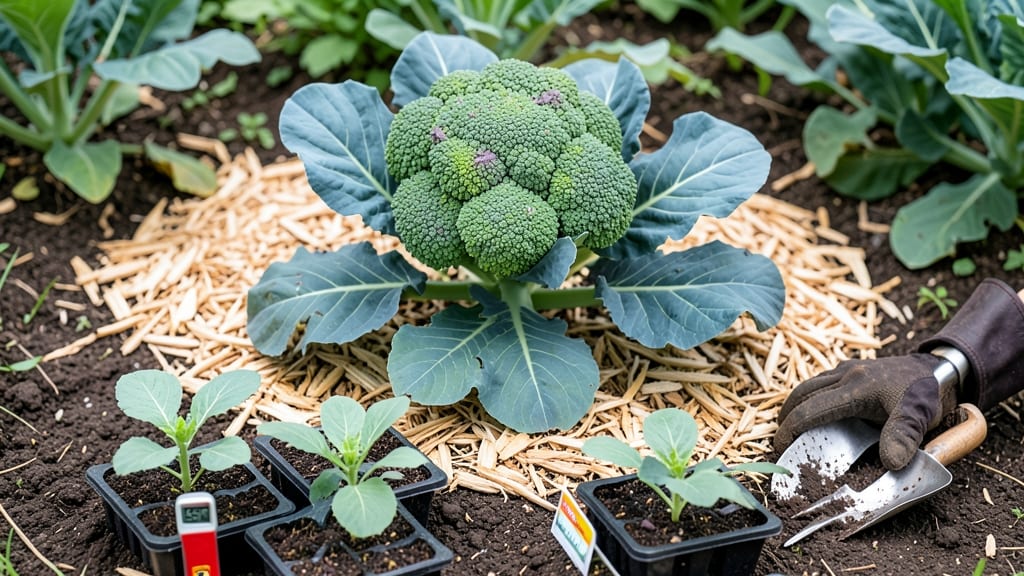
Planting broccoli in Northern California feels like walking a tightrope—one wrong move, and your 🥦 heads bolt before you can harvest them. The coastal fog and inland heat create such different growing conditions that even experienced gardeners second-guess their timing.
But here’s the good news: with the right strategy, you can grow broccoli year-round in this region. Whether you’re in the San Francisco Bay Area or the Central Valley, knowing when to plant makes all the difference between a thriving garden and a wasted effort.
I’ve tested what works in Northern California’s microclimates, and I’ll show you exactly when to plant for zero bolt risk. From fall transplants to spring starts, we’ll cover the ideal windows that keep your broccoli happy—and your dinner table stocked.
Let’s break down the science behind timing, so you can avoid common mistakes and enjoy fresh, homegrown broccoli all season long.
Best coastal vs inland broccoli planting dates by microclimate zone
Northern California’s climate varies dramatically from the cool coastal fog of San Francisco to the hot inland valleys of the Central Valley. These differences mean broccoli planting windows can shift by up to 6 weeks depending on your location.
To avoid premature bolting or stunted growth, I’ll break down the optimal planting dates for each microclimate, including frost thresholds and transplant timing for maximum success.
Broccoli thrives in cool weather (ideal soil temps: 45–75°F), making fall and spring the best seasons to plant. However, coastal areas can handle earlier starts than inland zones.
For example, San Francisco’s Bay Area can plant as early as late August for a fall harvest, while the Sacramento Valley should wait until mid-September to avoid heat stress. Let’s dive into the specifics for each zone.
🌱 Key Rule: Broccoli planted too early in warm soil will bolt (flower prematurely), and too late in hot conditions will struggle to mature. Use these microclimate-specific windows to align your planting with temperature thresholds and frost dates.
| Zone | Avg. Last Frost | Fall Planting Window | Spring Planting Window | Soil Temp Threshold | Transplant Tip |
|---|---|---|---|---|---|
| North Coast (Eureka, Mendocino) | Mid-October | Late August – Early September | Mid-March – Early April | 45–60°F | Use shade cloth if spring warms fast |
| San Francisco Bay Area | Late October | Late August – Mid-September | Late February – Early April | 45–65°F | Transplant in evening to reduce shock |
| Sacramento Valley | Mid-November | Mid-September – Early October | Early April – Mid-May | 50–65°F | Mulch heavily to retain moisture |
| Central Valley (Fresno, Bakersfield) | Late November | Early October – Mid-November | Late April – Early June | 55–70°F | Use heat-tolerant varieties like ‘Waltham 29’ |
🌡️ Pro Tip: Check your local USDA Zone (8a–10a in Northern CA) and adjust by 1–2 weeks if your microclimate runs warmer or cooler than average.
For coastal regions, the fall planting window is critical because cooler nights and foggy mornings slow bolting. In San Francisco, for example, planting late August gives broccoli enough time to mature before first frost (usually late October).
Meanwhile, inland areas like the Central Valley must start later to avoid soil temperatures exceeding 75°F, which triggers bolting.
If you’re unsure about your local frost dates, I recommend using the National Weather Service’s frost prediction tool or checking with your county extension office. These resources provide hyper-local data that can shift your planting window by 1–2 weeks for optimal results.
For example, Eureka’s coastal fog can delay frost until mid-November, while Fresno’s inland heat may push first frost to late November.
Another game-changer is succession planting. In cooler zones, you can plant every 2–3 weeks from August through September for a continuous harvest. In warmer inland areas, stick to 2–4 week intervals in spring only to avoid summer heat.
This strategy ensures you never run out of fresh broccoli and maximizes your garden’s productivity.
For seed vs. transplant decisions, I always recommend transplants for Northern California gardens because they give you a head start on the growing season. However, if you’re planting in late spring, direct sowing can work—just use shade cloth to protect seedlings from intense afternoon sun.
Varieties like ‘De Cicco’ (a day-neutral type) are great for coastal areas, while ‘Calabrese’ (a cool-season variety) thrives in inland spring plantings.
One common mistake I see is ignoring soil temperature. Always test your soil with a soil thermometer before planting—broccoli roots won’t develop properly if the soil is too warm.
Aim for 50–65°F for transplants and 45–55°F for seeds. If your soil is too hot, wait 1–2 weeks or use black plastic mulch to cool it down before planting.
Finally, companion planting can extend your harvest window. Pair broccoli with dill, celery, or onions to deter pests like cabbage worms and aphids, which are more aggressive in Northern California’s mild winters. These companions also improve soil health, giving your broccoli the nutrients it needs to thrive.
By following these microclimate-specific guidelines, you’ll avoid bolting, maximize yields, and enjoy homegrown brocc
How to adjust planting for zero bolt risk: soil temperature & shade strategies
Northern California’s unpredictable spring weather can turn your broccoli into a bolting disaster. The key to preventing this is controlling soil temperature and light exposure.
Even a few degrees too warm or too much sun can trigger premature flowering. Here’s how to keep your broccoli focused on head formation instead of bolting.
Start by testing your soil temperature before planting. Broccoli thrives when soil stays between 45°F and 75°F. Use a soil thermometer—if it’s above 80°F, delay planting or provide afternoon shade.
In hot inland areas like the Sacramento Valley, this might mean waiting until late September or October for fall crops.
For coastal regions like the San Francisco Bay Area, where cooler summers prevail, focus on succession planting. Plant every 2 weeks from March through May to ensure a steady supply.
Use shade cloth (30–50%) only if you notice leaves yellowing or wilting—this is a sign of heat stress.
Variety selection matters too. ‘De Cicco’ broccoli handles warmer soils better than ‘Calabrese’, making it ideal for Central Valley gardens. If you’re in a high-risk bolting zone, opt for rapid-maturing varieties (like ‘Waltham 29’) that reach harvest before heat peaks.
Pair this with mulching to keep roots cool.
Watering plays a hidden role in bolting prevention. Inconsistent moisture stresses plants, making them more likely to bolt. Aim for 1–1.5 inches of water per week, delivered deeply in the morning.
Avoid overhead watering at night—this promotes fungal diseases like downy mildew, which weakens plants and increases bolt risk.
Finally, monitor your broccoli’s day-length sensitivity. Inland areas experience longer daylight hours in spring, which can trigger bolting. If your plants start sending up flower stalks, prune them immediately and provide partial shade to slow growth.
With these adjustments, you’ll minimize bolt risk and enjoy hearty heads all season.