
Plants
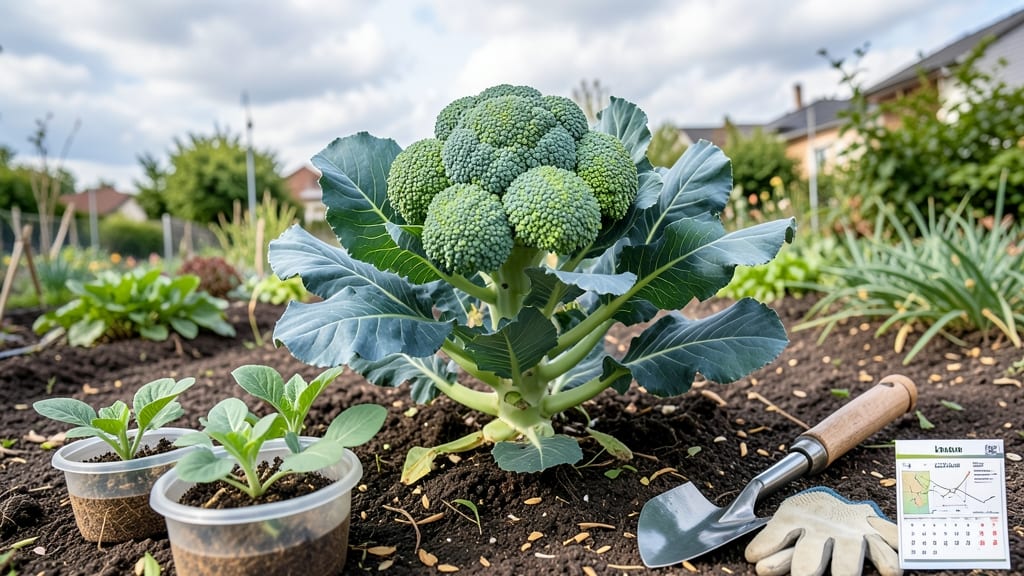
If you've ever planted 🥦 broccoli in Massachusetts only to watch it bolt into bitter seed stalks, you're not alone. The key to avoiding this common gardener's nightmare lies in timing your planting with precision—something I've perfected after years of trial and error in Zone 6a.
Massachusetts' unpredictable climate means spring and fall planting windows can make or break your harvest. Plant too early, and frost will nip your seedlings. Plant too late, and the heat will trigger bolting before you get a single edible head.
The solution? Strategic timing that aligns with your local frost dates and soil temperatures.
In this guide, I'll break down the exact spring and fall planting windows that work in Massachusetts, plus pro tips to extend your growing season.
Whether you're a first-time gardener or a seasoned green thumb, these insights will help you grow broccoli that's tender, abundant, and ready to harvest at its peak.
Ready to transform your garden from "meh" to "magnificent"? Let's dive into the science—and secrets—of planting broccoli at the perfect moment for your Massachusetts garden.
Massachusetts broccoli planting calendar by hardiness Zone (6a-7a)
Massachusetts spans USDA Zones 6a and 7a, meaning our growing seasons are short but productive when timed correctly. For spring broccoli, aim to plant 4-6 weeks before your last frost date—typically between mid-April and early May in most regions.
Fall plantings should go in 8-10 weeks before the first frost, usually late August to mid-September.
Timing is critical because broccoli bolts (goes to seed) quickly in warm weather. In Zone 6a (western MA), plant 2-3 weeks earlier than in Zone 7a (southeastern MA) to avoid heat stress. Use local frost date calculators like the Massachusetts State Climatologist's tools to pinpoint your exact window.
Key factors for success: soil temperature (40°F+ for germination), consistent moisture, and bolt-resistant varieties like 'Waltham 29' or 'De Cicco'. Skipping these can turn your tender florets into bitter stalks by July.
🌱
| Planting Window | Zone 6a (Western MA) | Zone 7a (Southeastern MA) | Notes |
|---|---|---|---|
| Spring Planting | April 15-May 1 | April 25-May 10 | Use row covers if frost threatens |
| Fall Planting | August 15-September 1 | August 25-September 10 | Choose fast-maturing varieties |
| Soil Temp | 40°F+ | 40°F+ | Test with soil thermometer |
| Harvest Window | June 15-July 15 | June 25-July 25 | Side shoots extend harvest |
For Zone 6a gardeners (like those in Worcester or Springfield), start seeds indoors by March 1 and transplant outdoors after soil warms. In Zone 7a (Boston, Cape Cod), you can direct-sow seeds outdoors by April 15 with minimal risk of frost damage.
Pro tip: Plant bolt-resistant varieties like 'Waltham 29' in late spring (May 15+) to avoid bolting. These varieties mature faster, giving you 60-70 days to harvest before heat sets in. Pair them with succession planting every 2 weeks for continuous harvests.
💧
After planting, maintain consistent soil moisture—broccoli hates drying out. Mulch with straw or shredded leaves to retain moisture and regulate soil temperature. In hot summers, provide afternoon shade with lightweight row covers to prevent bolting.
Remember: Fall broccoli often outperforms spring plantings in MA because cooler temps delay bolting. If you miss the fall window, try cold-hardy varieties like 'Blue Wind' for late-season harvests.
✂️
Massachusetts broccoli planting calendar by hardiness Zone (6a-7a)
Massachusetts spans USDA Zones 6a-7a, meaning your last spring frost typically lands between April 15-30, while the first fall frost arrives around October 15. These dates create a 165-day growing season—just enough for two broccoli crops if timed perfectly.
The key? Planting 4-6 weeks before your last frost for spring and 8-10 weeks before your first frost for fall.
For Zone 6a (most of MA), your ideal spring window is mid-April to early May, while fall planting should happen between late July and mid-August. In Zone 7a (southern MA), you can push spring planting to early May and fall planting to early September.
Missing these windows risks bolting (premature flowering) or stunted growth from cold snaps.
📅 PRO TIP: Use the Massachusetts frost date calculator to pinpoint your exact dates—it accounts for microclimates like coastal vs. inland areas. For example, Cape Cod (Zone 7a) can plant 2 weeks later than Western MA (Zone 6a).
📅 Massachusetts Broccoli Planting Timeline
| Zone | Spring Planting | Fall Planting | Harvest Window | Bolt Risk Level |
|---|---|---|---|---|
| 6a (Western MA) | Mid-April to Early May | Late July to Mid-August | June-July & Oct-Nov | High (early spring/late summer) |
| 7a (Southern MA) | Early May | Early September | June-July & Oct-Nov | Moderate (longer season) |
| Coastal (Zone 7a) | Late April | Mid-August | June-July & Oct-Nov | Low (milder microclimate) |
💡 Note: Coastal areas have 10-14 days longer growing seasons than inland zones.
For spring planting, start seeds indoors 6-8 weeks before your last frost (so late February to early March for Zone 6a).
Transplant seedlings 2-3 weeks before the last frost date to harden them off. Fall crops benefit from direct sowing in late July—this avoids transplant shock and gives plants time to mature before frost.
Choose bolt-resistant varieties like 'Waltham 29' (cold-hardy) or 'De Cicco' (heat-tolerant) to extend your window. 'Calabrese' is ideal for Zone 6a, while 'Blue Wind' struggles in MA’s short season. Pair your planting with 1-2 inches of compost and a balanced 10-10-10 fertilizer at transplanting to jumpstart growth.
Monitor soil temperatures—broccoli thrives in 45-85°F. If your spring soil stays below 40°F, delay planting or use black plastic mulch to warm it. For fall, aim for soil temps above 50°F to avoid stunted growth. 🌱