
Plants
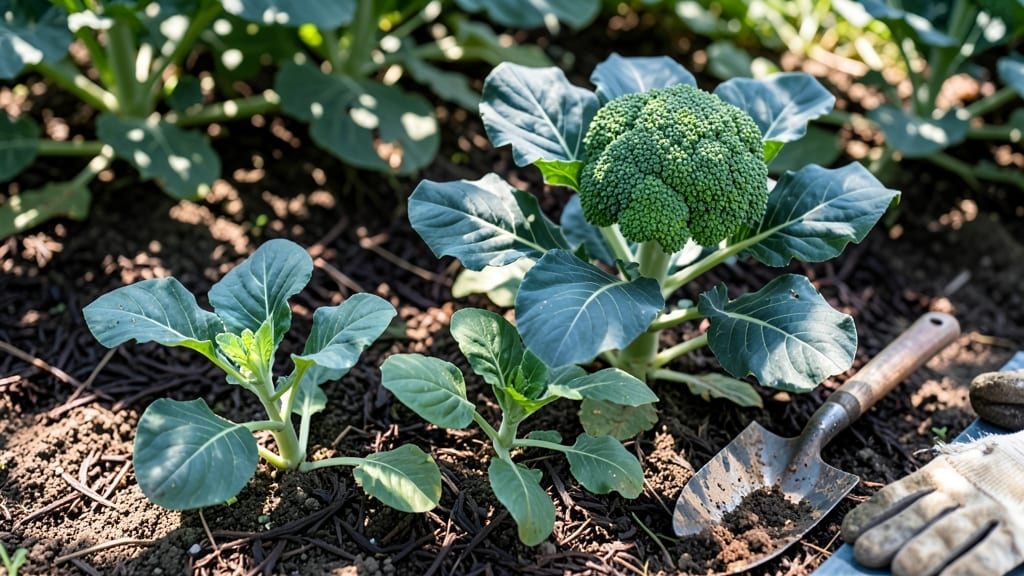
Timing your broccoli 🥦 planting in Illinois isn't just about following a calendar—it's about outsmarting frost, heat, and the 5-6 zone quirks that make or break your harvest. Get it wrong, and you'll either lose your crop to early freezes or watch your plants bolt before they mature.
I've grown broccoli in Illinois for years, and the difference between a bountiful harvest and a disappointing one often comes down to those 30-day windows between frost dates. The key? Planting in early spring (March-April) or late summer (July-August) when soil temperatures cooperate and daylight stretches just right.
What you're about to discover isn't just theory—it's battle-tested advice on exactly when to put those seeds in the ground for your region, whether you're in Chicago's cooler climes or Southern Illinois' milder winters.
We'll also cover the cold-hardy varieties that actually thrive here and how to stretch your growing season with simple tricks.
Ready to turn your backyard into a year-round broccoli powerhouse? Let's dive into the exact planting schedule that'll have you harvesting fresh, crisp heads from May through October—no guesswork required.
Best Illinois broccoli planting windows by region (chicagoland vs. Southern Illinois)
Illinois' diverse climate—from Chicago's lake-effect winters to Southern Illinois' milder zones—means broccoli planting windows vary dramatically. Northern Illinois (USDA Zone 5) has shorter frost-free seasons (120-140 days), while Southern Illinois (Zone 6) enjoys 160+ frost-free days.
Timing your plantings to these windows ensures maximum yield and frost protection.
For spring plantings, aim to transplant seedlings 4-6 weeks before your last frost date. In Chicago, this means mid-March to early April, while Southern Illinois gardeners can start as early as late February.
Fall plantings should occur 8-10 weeks before first frost—typically mid-July to early August—to allow time for harvest before winter.
Key regional differences include:
- Chicago area: Last frost April 15, first frost October 15
- Central Illinois (Springfield): Last frost April 1, first frost October 30
- Southern Illinois (Carbondale): Last frost March 20, first frost November 15
| Region | Last Frost Date | First Frost Date | Spring Planting Window | Fall Planting Window |
|---|---|---|---|---|
| Northern Illinois (Chicago) | April 15 | October 15 | March 15 - April 5 | July 15 - August 10 |
| Central Illinois (Springfield) | April 1 | October 30 | February 28 - March 30 | July 1 - August 15 |
| Southern Illinois (Carbondale) | March 20 | November 15 | February 15 - March 20 | July 1 - September 1 |
To extend your harvest season, consider succession planting every 2-3 weeks during spring and fall. This ensures a continuous supply of fresh broccoli without gaps. For example, in Chicago, planting March 15, April 1, and April 15 will give you harvests in May, June, and September.
Direct sowing seeds is another option, but it requires soil temperatures above 40°F. In Northern Illinois, this typically means mid-April to early May, while Southern Illinois can start as early as late March. Always harden off seedlings for 7-10 days before transplanting to avoid shock.
Pro tip: Use a frost clock or local USDA frost date maps to fine-tune your planting schedule. Illinois State University Extension provides region-specific frost data that’s invaluable for high-yield broccoli gardening. 🌱
For fall harvests, prioritize fast-maturing varieties (50-60 days to harvest) to beat the first frost. Southern Illinois gardeners can push this further by using row covers or cold frames to protect plants into November. In colder zones, aim to harvest by late October to avoid frost damage.
Remember: Broccoli bolting (premature flowering) is triggered by heat and long daylight. To prevent this, plant fall crops early and provide afternoon shade during summer months. Mulching with straw or grass clippings also helps regulate soil temperature and retain moisture.
By aligning your plantings with Illinois' regional frost dates and using cold-hardy varieties, you can enjoy homegrown broccoli from early spring to late fall. Start with small batches to test your local microclimate, then scale up as you refine your timing. 🥦
Cold-hardy broccoli varieties that thrive in Illinois winters (plus how to extend the season)
Illinois winters can be harsh, but with the right broccoli varieties and a few smart tricks, you can enjoy fresh harvests from early spring through late fall. The key is selecting cold-tolerant cultivars that handle frost and extending your growing season with protective techniques.
My top picks for Illinois gardeners include 'Waltham 29', a classic open-pollinated variety that handles light frosts down to 25°F, and 'De Cicco', a compact Italian heirloom perfect for fall harvests when temperatures dip. Both varieties resist bolting, making them ideal for our USDA Zones 5-6 climate.
For year-round production, I recommend planting 'Calabrese' in early spring and 'Belstar' in late summer. These varieties offer high yields and adapt well to Illinois' variable weather patterns. The secret? Start seeds indoors 4-6 weeks before your last frost date, then transplant outdoors once soil reaches 40°F.
| Variety | Cold Tolerance | Days to Maturity | Best Planting Window |
|---|---|---|---|
| Waltham 29 | 25°F | 60-70 days | Early spring or late summer |
| De Cicco | 28°F | 55-65 days | Fall harvests |
| Calabrese | 30°F | 65-75 days | Early spring |
| Belstar | 28°F | 50-60 days | Late summer |
To extend your growing season, use row covers or cold frames to protect young plants from late spring frosts. I’ve had great success with lightweight floating row covers that allow sunlight while shielding plants from 20°F temperatures.
For fall harvests, start seeds in July and use black plastic mulch to warm the soil and prevent bolting.
Succession planting is another game-changer. Instead of one big harvest, sow seeds every 2-3 weeks from spring through early summer. This ensures a steady supply of fresh broccoli while keeping your garden productive. Pair this with companion planting—like basil or dill—to deter pests and improve flavor.
Remember, broccoli thrives in cool weather, so avoid planting during summer heat waves. If you notice plants bolting prematurely, provide afternoon shade with shade cloth and keep soil consistently moist. With these strategies, you can enjoy homegrown broccoli year-round in Illinois!