
Plants
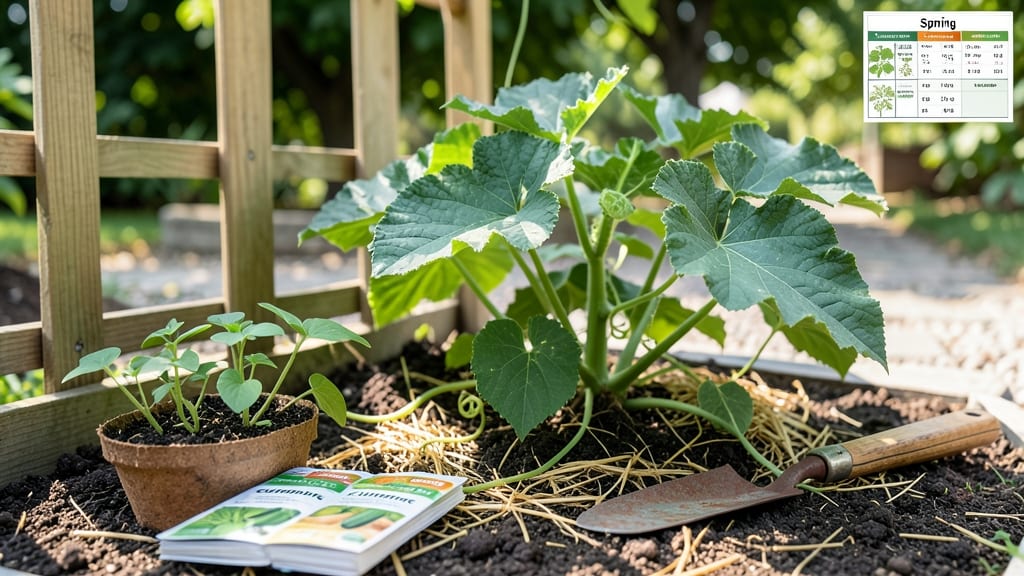
Timing your cucumber 🥒 planting in Northern California isn’t just about the calendar—it’s about outsmarting the region’s wild swings from coastal fog to Central Valley heat. Get it wrong, and you’ll end up with bitter, bolted plants or wasted effort.
But with the right window, you can enjoy crisp, zero-bolt cucumbers from June through October—no matter where you live in zones 8a-9b.
The key starts with soil temperature, not frost dates. While most gardeners focus on last frost (around March 15), cucumbers need 60°F+ soil to thrive—and that can mean waiting weeks longer in coastal areas.
Inland growers, meanwhile, face a different challenge: planting too early risks bolting from summer heat, while late starts cut harvests short.
This guide breaks down the exact planting windows for your microclimate, whether you’re in foggy San Francisco or the scorching Sacramento Valley. You’ll learn how to time both spring and summer plantings for maximum yield, plus pro tips to extend your harvest well into fall—without the bitter aftertaste.
Ready to turn your garden into a cucumber powerhouse? Let’s dive into the region-specific strategies that’ll keep your vines happy and your kitchen stocked all season long.
Northern California cucumber planting zones: coastal vs. Valley vs. foothills timing
Northern California’s microclimates create dramatic differences in cucumber planting success. The coastal fog belt may still see frost in May, while the Central Valley can hit 90°F+ by June. Understanding these zones ensures your cucumbers thrive without bolting prematurely. Let’s break down the ideal planting windows for each region.
For coastal areas (San Francisco, Santa Cruz, Monterey), aim to plant cucumbers 2-4 weeks after your last frost date, typically mid-April to early May. These regions often experience cooler soils and delayed warming, so use black plastic mulch to accelerate soil temperature rise to 60°F+.
Transplants can go in slightly earlier than direct-sown seeds.
The Central Valley (Sacramento, Stockton, Fresno) offers the earliest planting window, starting as early as late February to early March for heat-tolerant varieties. By April 15, most areas are warm enough for direct sowing, and summer plantings should occur by July 1 to avoid bolting before harvest.
Soil temperatures here often exceed 70°F by mid-spring, ideal for cucumbers.
Sierra foothills (Chico, Redding, Placerville) fall somewhere in between, with planting windows from late March to early April. These areas experience warmer days and cooler nights, requiring careful variety selection. Start with parthenocarpic varieties (self-pollinating) to reduce stress and bolting risks.
🚨 CRITICAL TIMING FACTORS 🚨 Here’s how each microclimate differs in key planting metrics:
| Zone | Last Frost Date | Ideal Planting Window | Soil Temp Threshold | Summer Planting Window | Bolting Risk |
|---|---|---|---|---|---|
| Coastal (SF, Santa Cruz) | Mid-April | Mid-April to early May | 60°F+ | Late July to early August | High (cool nights) |
| Central Valley (Sacramento, Fresno) | Late February | Late Feb to early April | 65°F+ | June 15 to July 1 | Moderate (heat tolerance) |
| Sierra Foothills (Chico, Redding) | Late March | Late March to early April | 62°F+ | July 10 to July 25 | Low (moderate temps) |
Direct sowing is ideal for spring plantings in all zones, but transplants give you a 2-week head start in cooler areas. Start seeds indoors 4-6 weeks before your region’s last frost date, then harden off seedlings for 7-10 days before transplanting.
For summer plantings, always opt for heat-tolerant varieties like 'Straight Eight' or 'Marketmore 76'.
🌱 PRO TIP: Use a soil thermometer to confirm temps before planting. Cucumbers won’t germinate below 55°F, and growth stalls under 60°F. In coastal areas, row covers can extend the season by 2-3 weeks in spring or protect from late frosts.
Bolting is the #1 enemy of Northern California cucumbers, triggered by temperature swings or stress. In the Central Valley, afternoon shade cloth (30-50%) can prevent heat stress, while coastal growers should prioritize early-maturing varieties (50-55 days to harvest).
Always plant after the soil warms, even if air temps seem mild.
For extended harvests, succession plant every 2-3 weeks from spring through early summer. In cooler foothills, a cold frame can push harvests into October, while Valley growers may harvest until November if protected from early frosts.
Plan your planting schedule around these regional cues to avoid gaps in production.
💡 REGION-SPECIFIC REMINDER: Coastal areas often need more frequent watering due to foggy mornings, while Valley cucumbers may need afternoon shade to prevent sunscald. Adjust your care routine based on your microclimate’s unique challenges.
Northern California cucumber planting zones: coastal vs. Valley vs. foothills timing
Northern California’s microclimates create wildly different cucumber-growing conditions. The Central Valley bakes under summer sun, while coastal areas stay cooler and foggier. Even the Sierra foothills have their own rhythm. To avoid bitter cucumbers or wasted seeds, you need to plant at the right time for your specific zone.
First, check your last frost date. Most of Northern California sees its final frost between March 15 (inland) and April 15 (coastal). But don’t rush—cucumbers need soil temperatures of at least 60°F to thrive. Use a soil thermometer to confirm before planting.
🌱
| Zone | Ideal Planting Window | Soil Temp Requirement | Key Risk |
|---|---|---|---|
| Coastal (San Francisco, Santa Cruz) | Late April to early May | 60-65°F (cooler nights) | Fungal diseases from fog |
| Central Valley (Sacramento, Stockton) | Mid-March to early April | 65-75°F (warmer soil) | Heat-induced bolting |
| Sierra Foothills (Chico, Auburn) | Early May to mid-May | 60-70°F (gradual warming) | Late-season frosts |
For direct sowing, aim to plant seeds 1-2 weeks after your last frost date. If you’re using transplants, wait until mid-April (coastal) or late March (Valley) to avoid cold snaps. Inland areas can start earlier, but coastal gardeners should play it safe—fog and chilly nights slow germination.
Summer planting is also key for a second harvest. Sow seeds again in late July for a fall crop. This works best in the Central Valley, where hot summers transition to cooler fall temps.
Coastal areas may struggle with short daylight hours in late summer, so focus on heat-tolerant varieties like 'Straight Eight'.
Pro tip: Use black plastic mulch to warm soil faster in spring. It also suppresses weeds and keeps moisture in—critical for cucumbers, which need consistent watering. Just
☀️