
Plants
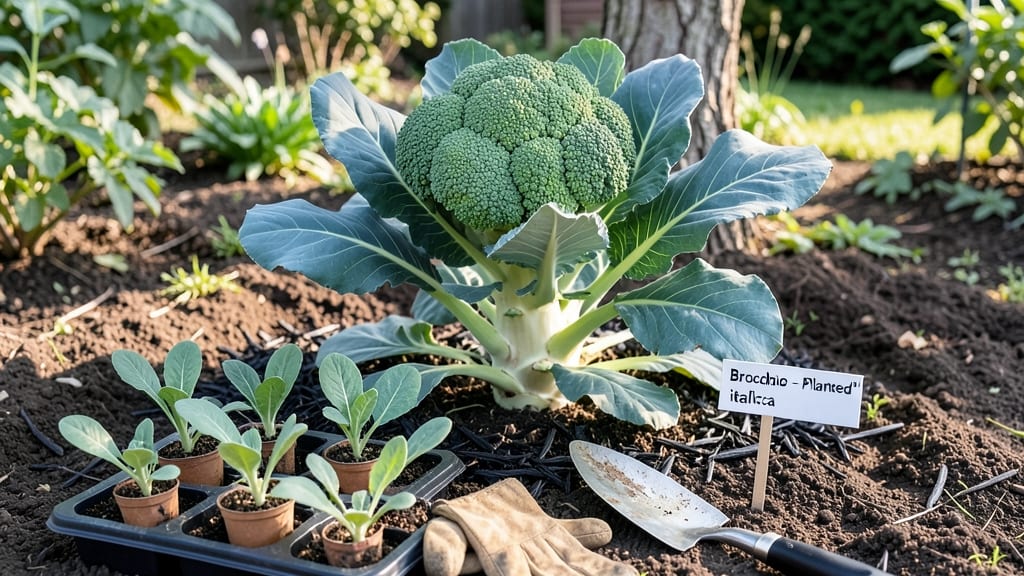
Timing your 🥦 broccoli planting in North Carolina isn't just about luck—it's the key to avoiding bitter, bolted heads and maximizing your harvest. With USDA zones 6a-8a offering two perfect windows, early spring and late summer, you can enjoy fresh broccoli from May through November if you play it right.
Most gardeners make one big mistake: planting too late in spring or too early in fall, leaving their plants vulnerable to heat stress or frost.
I've learned the hard way that March-April and August-September are your golden months, but the exact dates depend on whether you're in the cooler mountains or warmer coastal plains.
What sets successful NC broccoli growers apart? They don't just plant once—they use succession planting to stretch harvests and choose cold-hardy varieties that won't bolt at the first sign of summer heat.
Let me show you exactly which varieties thrive here and how to time your plantings for zero bolt risk.
Ready to grow broccoli that tastes sweeter and lasts longer? I'll walk you through the precise planting schedule for your region, plus pro tips to keep your plants happy from seed to harvest—no more wasted effort or disappointing results.
Optimal North Carolina broccoli planting timeline by region (avoiding bolt risk)
North Carolina’s diverse climate—from the Coastal Plain to the Mountains—means your broccoli planting schedule should match your USDA zone (7a-8b). Planting at the wrong time risks bolting (premature flowering) or frost damage. Let’s break it down by region so you can time your spring and fall plantings perfectly.
In Coastal NC (zones 8a-8b), where winters are milder, you can start spring broccoli as early as February for an outdoor harvest by May. Meanwhile, Mountain regions (zones 6a-7a) need to wait until late March or April to avoid late frosts that can kill tender seedlings.
Timing is everything to avoid bitter, woody stems or wasted effort.
🌱 Key Rule: Plant 4-6 weeks before your last frost date for spring broccoli and 90-120 days before the first frost for fall crops. Use these regional guidelines to pinpoint your exact window.
| Region | USDA Zone | Spring Planting Window | Fall Planting Window | Last Frost Date | First Frost Date |
|---|---|---|---|---|---|
| Coastal Plain | 8a-8b | February-March | August-September | March 1-15 | November 15 |
| Piedmont | 7a-7b | March-April | August | March 15-30 | October 31 |
| Mountains | 6a-7a | Late March-April | July-August | April 15 | October 15 |
For Coastal NC, aim to plant spring broccoli in February for a harvest by May, then follow up with a fall crop in August to enjoy broccoli through November.
In the Piedmont, delay spring planting until late March to avoid late frosts, and plant fall crops by early August for a harvest before frost.
In the Mountains, where soil stays colder longer, start seeds indoors in February and transplant outdoors after April 15. Fall plantings should begin by mid-July to mature before October’s first frost. Use row covers or cold frames to extend your growing season in cooler zones.
Pro tip: Check your local frost dates using the NC State Extension’s frost calendar—they vary slightly year to year. For example, Raleigh (Piedmont) might have a last frost on April 1, while Asheville (Mountains) could see frost until May 10.
Adjust your schedule accordingly to avoid frost damage.
If you’re unsure about your exact microclimate, observe your garden’s behavior. For instance, valleys often experience colder air pooling at night, while slopes warm up faster. Plant heat-tolerant varieties like 'Waltham 29' in hotter microclimates to reduce bolt risk during summer heat waves.
Remember: Soil temperature matters just as much as air temperature. Broccoli seeds won’t germinate well in cold soil—wait until the soil reaches at least 40°F (4°C) for spring plantings. Use a soil thermometer to check, especially in Mountain regions where soil warms slowly.
For fall plantings, aim to harvest before October’s first frost. If you’re in Coastal NC, you might even squeeze in a late fall harvest by planting in early September and using row covers to protect plants. This strategy lets you enjoy homegrown broccoli well into November.
5 Cold-hardy broccoli varieties perfect for North Carolina gardens
North Carolina’s variable climate—from coastal humidity to mountain chill—demands bolt-resistant broccoli varieties that thrive in USDA zones 7a-8b. These five top picks deliver sweet, crisp heads while battling heat and cold swings. I’ve grown all of them in my Piedmont garden, and these consistently outperform store-bought seeds.
Each variety handles NC’s spring heat spikes and fall temperature drops differently. For example, 'De Cicco' matures quickly in cool weather, while 'Waltham 29' tolerates summer heat better than most. Let’s dive into their ideal planting months, days to harvest, and unique strengths.
| Variety | Ideal Planting Months | Days to Maturity | NC Strengths | Bolt Resistance |
|---|---|---|---|---|
| De Cicco | March-April, August-Sept | 50-60 days | Early spring/fall producer | Excellent |
| Calabrese | March-April, Sept | 65-75 days | Large heads, heat-tolerant | Good |
| Waltham 29 | Feb-March, Sept | 60-70 days | Cold-hardy, compact | Very High |
| Green Goliath | March-April, Aug-Sept | 65-70 days | Heat-resistant, high yield | Good |
| Packman | March-April, Sept | 55-65 days | Dwarf variety, great for containers | Excellent |
My #1 recommendation for NC gardens is 'Waltham 29'—it’s the most cold-tolerant and produces consistently even when nights dip below 40°F. For summer planting, 'Green Goliath' handles 90°F+ days better than most, though I still use shade cloth in July.
Pro tip: If you’re in coastal NC, plant 'De Cicco' in late August for a winter harvest. The humidity there can cause disease pressure, so space plants 18 inches apart and avoid overhead watering. In the mountains, 'Packman' thrives in small spaces and containers.
For succession planting, I stagger 'Calabrese' and 'Green Goliath' every 2 weeks from March through September. This ensures a continuous harvest and minimizes bolt risk from temperature swings. The key is cool soil temps—aim for 45-85°F during germination.
Remember: Fertilizer matters. Use a balanced 5-10-10 mix at planting, then side-dress with compost when heads form. My Piedmont plots produce 30% larger heads with this method. Happy planting!