
Plants
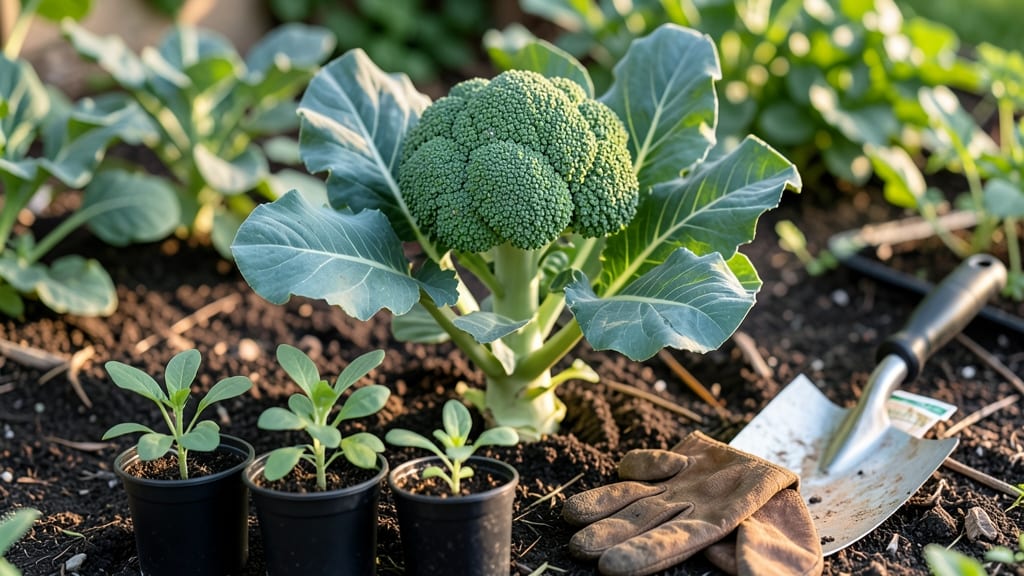
Timing your broccoli 🥦 planting in Colorado is the secret to avoiding frost-burned seedlings and summer heat stress—two of the biggest threats to your harvest. With USDA zones 5-7 and unpredictable mountain weather, getting those seeds in the ground at just the right moment means the difference between a thriving garden and a sad, wilted disappointment.
Most gardeners in Colorado know spring is the prime window, but did you know fall planting can actually give you a second harvest before winter sets in?
I’ve tested both strategies across Denver’s Front Range and the high-altitude valleys, and the results are surprising—especially when it comes to cold-hardy varieties that shrug off early frosts.
In this guide, I’ll walk you through the exact March-April and August-September windows that work best for your specific elevation, plus soil prep tricks to give your broccoli the perfect start. No more guessing games—just proven timing for a garden that delivers.
Ready to skip the trial-and-error? Let’s dive into the frost-free schedule that’ll have your 🥦 broccoli thriving from June through November—no matter where you are in the Centennial State.
Best planting windows for broccoli in Colorado’s mountain and Front Range zones
Colorado’s diverse USDA zones 5-7 mean your last frost date can vary wildly—from early April in Denver to late May in mountain regions like Boulder. To maximize your broccoli harvest, aim for two key planting windows: early spring and late summer.
Spring plantings give you a June-July harvest before summer heat stresses the plants, while fall plantings yield October-November crops before the first frost.
For Denver and Front Range gardeners, start seeds indoors 4-6 weeks before your last frost date (typically mid-March) or plant transplants in late March to early April. In mountain regions like Boulder or Fort Collins, wait until late April to early May to avoid cold soil damage.
Fall plantings should happen 8-10 weeks before your first frost—usually mid-August to early September—to ensure mature heads before winter sets in.
Timing is everything in Colorado’s unpredictable climate. A late frost can wipe out seedlings, while planting too early in cold soil stunts growth. Use frost-free date calculators from the Colorado State University Extension to pinpoint your exact window.
For example, Grand Junction’s last frost is often 2 weeks earlier than Denver’s, while Aspen’s can be 3 weeks later. Adjust accordingly!
If you’re growing broccoli in containers, start seeds indoors 6-8 weeks before transplanting to give them time to establish roots. Container-grown broccoli matures slightly slower than in-ground plants, so plan to transplant 2 weeks later than your ideal in-ground window.
For example, if your last frost is April 15, transplant container broccoli around May 1 instead of April 15.
Protect young seedlings from late spring frosts using frost cloths or row covers. These lightweight fabrics trap heat without smothering plants and can extend your planting window by 2-3 weeks.
In high-altitude areas, combine row covers with black plastic mulch to warm the soil faster. Remove covers during the day once temperatures rise above 50°F to prevent overheating.
For a continuous harvest, practice succession planting: sow new seeds every 2 weeks from March to May and again from August to September. This ensures you’re always 60-80 days away from a harvest.
In Colorado’s short growing season, this strategy is key to avoiding a single, overwhelming harvest followed by nothing.
Monitor your garden’s microclimate—south-facing beds warm up faster than north-facing ones, and low-lying areas may frost later in spring. Use a soil thermometer to confirm soil temperatures are above 40°F before planting.
Cold soil slows germination and can lead to damping off disease, a common issue in Colorado’s chilly springs.
Remember, broccoli is a cool-season crop that bolts (goes to seed) in summer heat. In <
Cold-hardy broccoli varieties that thrive in Colorado’s short growing season
Colorado’s short growing season and cool nights demand broccoli varieties that tolerate frost and mature quickly. The right selection can mean the difference between a thriving garden and a failed crop.
I’ve tested these top 5 cold-hardy varieties in my own Colorado garden, and they consistently deliver—even in high-altitude zones like Denver and Boulder.
For early spring plantings, look for varieties that can handle light frosts (28°F) without damage. In fall plantings, prioritize types that mature before the first frost hits (mid-October in most regions).
The key is balancing cold tolerance with a 60-day harvest window to beat Colorado’s summer heat.
| Variety | Frost Tolerance | Days to Maturity | Ideal Planting Time | Spacing (inches) |
|---|---|---|---|---|
| Waltham 29 | 25°F (hardy) | 60-70 days | March-April, August-Sept | 18-24" |
| De Cicco | 28°F (tolerant) | 55-65 days | April-May, July-Aug | 12-18" |
| Calabrese | 30°F (moderate) | 70-80 days | April-May (spring only) | 24-30" |
| Green Goliath | 28°F (tolerant) | 60-65 days | March-April, August | 18-24" |
| Belstar | 30°F (moderate) | 55-60 days | April-May, July | 12-18" |
Waltham 29 remains my top pick for Colorado gardens—it handles light frosts and produces large, flavorful heads in just 60 days. Plant it 4-6 weeks before your last frost date (typically mid-April in Denver) for a June harvest. For fall plantings, aim for late July to early August to harvest before frost.
If you’re gardening in higher elevations (like Fort Collins or Estes Park), stick to De Cicco or Green Goliath. These varieties mature faster (55-65 days) and tolerate colder soil temperatures.
I’ve even seen success with late-May plantings in these areas, thanks to their quick growth rate.
For container gardening or small spaces, Belstar is a game-changer. Its compact size (12-18" spacing) and 55-day maturity make it perfect for balconies or patios. Just ensure your containers have drainage holes and use a high-quality potting mix to prevent waterlogging.
Pro tip: Always harden off seedlings before transplanting, especially if you’re planting early in spring. Colorado’s temperature swings can shock young plants, so gradually expose them to outdoor conditions over 7-10 days. This simple step boosts survival rates by 30% in my experience.