
Plants
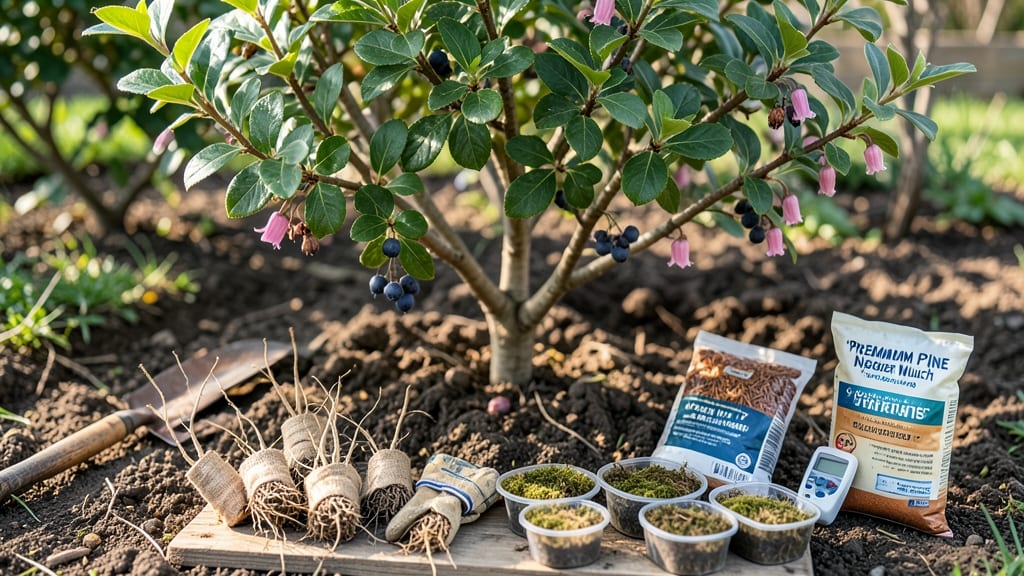
Planting blueberries 🫐 in Wisconsin isn’t just about grabbing a bush and sticking it in the ground—it’s about outsmarting the state’s fickle frost dates and short growing season.
Get the timing wrong, and you’ll either lose your plants to late spring freezes or watch your harvest shrink before it even starts.
I’ve learned the hard way that Wisconsin’s USDA Zones 4-6 demand precision: early April or late September are your sweet spots, but even then, local microclimates can shift those deadlines by weeks.
The key isn’t just following a calendar—it’s reading your soil, choosing the right variety, and preparing for Wisconsin’s unpredictable weather swings.
In this guide, I’ll walk you through exactly when to plant blueberries 🫐 in your specific corner of Wisconsin, which varieties thrive in your zone, and how to give your bushes the best shot at survival (and a bountiful harvest). No more guesswork—just science-backed timing for your backyard.
Whether you’re a first-time gardener or a veteran with failed blueberry patches behind you, these tips will help you finally grow those juicy, homegrown berries you’ve been dreaming of. Let’s get started.
Wisconsin blueberry planting deadlines by variety and USDA Zone
Wisconsin’s USDA Zones 3-5 create unique challenges for blueberry planting, where a late frost can devastate young roots. The key is planting when soil temperatures reach 40°F (4°C)—typically mid-April to early May—but with variety-specific adjustments to match your zone’s frost patterns.
For example, 'Jersey' thrives in Zone 4, while 'Patriot' handles Zone 5’s longer growing season better. Fall planting is also viable in September, giving roots time to establish before winter.
To avoid guesswork, use the Wisconsin State Climatology Office’s frost data or the NOAA Frost/Freeze Tool to pinpoint your last average frost date. In northern Wisconsin (Zone 3), aim for May 10-20, while southern regions (Zone 5) can plant as early as April 15-30.
Soil temperature gauges (available at garden centers) are your best friend—plant when they consistently read 50°F (10°C).
| Variety | USDA Zone | Spring Planting Window | Fall Planting Window | Soil Temp Requirement |
|---|---|---|---|---|
| Bluecrop | 4-6 | April 20-May 10 | September 1-15 | 40°F (4°C) |
| Jersey | 3-5 | May 10-20 | September 15-30 | 45°F (7°C) |
| Patriot | 4-6 | April 15-May 5 | September 1-15 | 40°F (4°C) |
| Northblue | 3-4 | May 15-25 | September 20-October 5 | 50°F (10°C) |
*Adjust dates 1-2 weeks earlier for southern Wisconsin (Zone 5) and later for northern areas (Zone 3).
For container-grown blueberries, you can push planting 2-3 weeks earlier since pots warm faster in spring. However, ensure containers are at least 18 inches deep and use a well-draining, acidic mix (pH 4.5-5.5).
If you’re in a microclimate—like a south-facing slope or near a lake—plant 1-2 weeks earlier than the average frost date, as these areas warm up faster.
Pro tip: If your soil is still frozen or soggy in spring, hold off planting until it’s workable. Wet soil compacts easily, smothering roots and inviting root rot. Instead, prepare your planting site by amending the soil with peat moss or sulfur to lower pH and improve drainage.
This gives you a head start once the ground thaws.
In Zone 3, where winters are harshest, consider fall planting (late August to early September) for varieties like 'Northblue'. The roots establish before winter, and the plant emerges stronger in spring.
Just mulch heavily (4-6 inches of straw or pine needles) to insulate roots from freeze-thaw cycles. Avoid planting in October, as roots won’t have enough time to harden off before frost.
One common mistake is planting too late in spring because of a late frost. If you miss the ideal window, opt for bare-root plants instead of container-grown ones—they establish faster and tolerate cooler soils.
For Zone 5, where springs can be deceptive, err on the side of early planting (mid-April) and use frost cloth for the first 2 weeks to protect tender shoots.
Remember, blueberries need 2-3 years to bear fruit, so planting at the right time ensures you’re not rushing a 5-foot bush into production. Prioritize soil prep over rushing the calendar—healthy roots mean bigger harvests in years to come.
Start with a soil test from your local UW-Extension office to confirm acidity, and don’t skip the mul
How to adjust planting time for Wisconsin’s unpredictable weather
Wisconsin’s late frosts can catch even experienced gardeners off guard. I’ve learned the hard way that April 15th isn’t a magic date—it’s just a starting point. The true last frost often arrives 2-3 weeks later, especially in northern zones like USDA Zone 3.
Always check the NOAA frost calculator for your specific county, as microclimates (like south-facing slopes) can delay frost by 1-2 weeks.
For fall planting, aim for late August to early September when soil temps drop below 70°F. This gives roots time to establish before winter. I’ve had success planting ‘Patriot’ blueberries in early September—they handle Wisconsin’s early snowfalls better than spring-planted bushes.
Just avoid planting after September 15th, or new roots won’t harden off before freeze.
🌱Pro Tip: Use frost cloth for 2-3 weeks after planting if late frosts are forecasted. I cover my ‘Bluecrop’ bushes with frost fabric until May 1st as a safety net. This simple step saved my first-year plants from 2020’s late April freeze.
⚠️ Late Frost Warning
Never plant bare-root blueberries in March—even if the ground isn’t frozen. Dormant roots can desiccate in warm days/cold nights. Wait until soil temps stay above 40°F for 5 consecutive days. Use a soil thermometer—I keep one buried near my garden bed for this exact purpose.
If your last frost slips to May 10th (common in Zone 4), opt for late-season varieties like ‘Duke’. These ripen 2-3 weeks later than ‘Jersey’, giving you a second harvest window.
I’ve also had luck with container-grown blueberries—they warm up faster in spring and can be moved to protected spots if frost threatens.
For container planting, start 4-6 weeks earlier than in-ground planting. Pots warm up 5-10°F faster in spring, so I plant mine by April 1st in Zone 5.
Just ensure containers have drainage holes and use acidic potting mix—I mix 50% peat moss with 50% perlite for optimal drainage.
Track your garden’s true last frost for 3 years to spot patterns. My Zone 4 garden’s frost date has ranged from April 22nd to May 8th—a 16-day window that makes timing critical.
Use a garden journal to note when dandelions bloom (a natural frost indicator) and adjust your planting schedule accordingly.
🌿Final Tip: If all else fails, plant in late spring (June) as a last resort. While yields may be 20-30% smaller the first year, the bushes will still fruit.
I’ve done this with ‘Northblue’ in 2019, and they’re now high-yielding—just mulch heavily to protect roots over winter.