
Plants
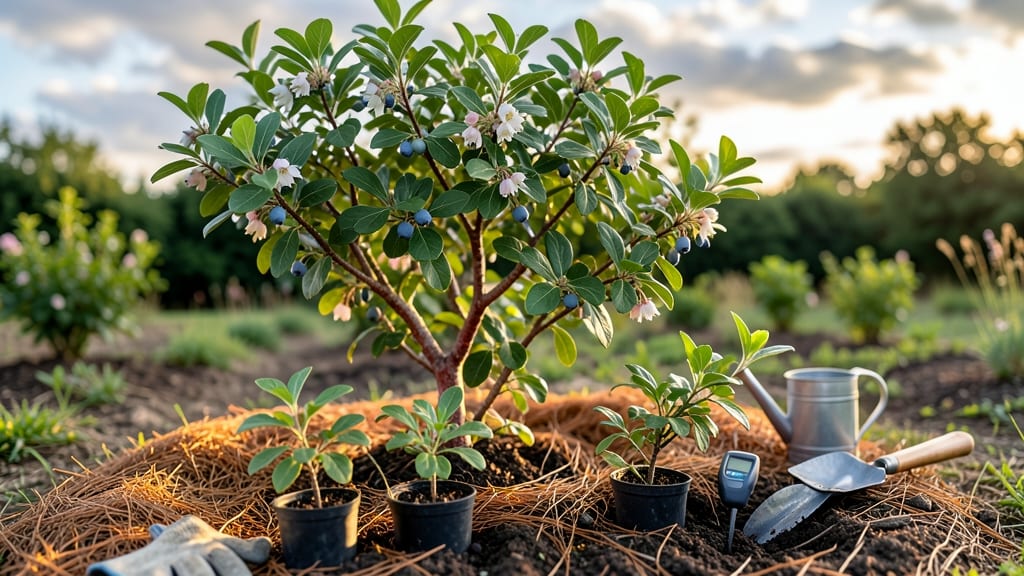
Timing your blueberry 🫐 planting in Zone 6 isn't just about the calendar—it's about matching your local chill hours to unlock the best yields. Plant at the wrong time, and you might end up with bushes that struggle to fruit, no matter how much care you give them.
Zone 6 gardeners know the stakes: 600–1,000 chill hours are non-negotiable for blueberries to thrive. That means planting too early or too late can throw off their natural cycle, leaving you with fewer berries—or none at all.
The good news? With the right approach, you can align planting with your microclimate for stronger roots and bigger harvests.
I’ll break down the two best windows—spring and early fall—and how to adjust for frost risks, soil temps, and even your specific sub-zone (6a vs. 6b). Whether you're a first-time grower or a seasoned pro, these insights will help you plant with confidence.
Ready to set your blueberries up for success? Let’s dive into the exact months, soil prep, and care tips that make all the difference in Zone 6.
Best planting months for blueberries in Zone 6 based on chill hours
Blueberries thrive in Zone 6 when planted during their optimal chill-hour window, typically between 600–1,000 hours below 45°F. This range ensures your bushes produce abundant fruit. In Zone 6, we have two prime planting windows: early spring (after the last frost) and early fall (before the first frost).
For spring planting, aim for April to early May once soil temperatures reach 40–50°F. This timing allows roots to establish before summer heat stress. Fall planting, on the other hand, should occur in September, giving roots time to anchor before winter dormancy.
Zone 6’s chill-hour accumulation varies by location. Northern sub-zones (6a) need closer to 1,000 chill hours, while Southern sub-zones (6b) may require only 600–800 hours. Check your local USDA chill-hour map to fine-tune your schedule.
| Planting Window | Zone 6 Sub-Zone | Chill Hours Needed | Soil Temp Threshold | Key Consideration |
|---|---|---|---|---|
| Early Spring (April–May) | 6a & 6b | 600–1,000 hrs | 40–50°F | Avoid frost risk; roots establish before summer |
| Early Fall (September) | 6a & 6b | 600–1,000 hrs | 50–60°F | Plant 6–8 weeks before first frost for root growth |
| Late Fall (October) | 6b only | 600–800 hrs | 45–50°F | Risky; limited root establishment before freeze |
If you’re in a Northern Zone 6a area, prioritize spring planting to ensure your bushes accumulate enough chill hours before summer. In Southern Zone 6b, fall planting can work if you plant 6–8 weeks before frost and protect young plants with mulch.
For container-grown blueberries, adjust timing slightly. Plant in late April or early May to avoid overheating roots in pots. Containers also allow you to move plants to shadier spots during summer heatwaves, extending their growing season.
Always test your soil pH (4.5–5.5) before planting. Blueberries are acid-loving and won’t thrive in alkaline soil. Amend with peat moss or sulfur if needed. A quick soil test kit makes this easy!
After planting, mulch heavily with pine needles or wood chips to maintain soil acidity and retain moisture. This is especially critical in Zone 6’s drier summers, where mulch can reduce watering needs by up to 30%.
Monitor your bushes for early flowering in spring. If frost threatens, cover blooms with frost cloth to protect developing fruit. This is a common issue in Zone 6’s unpredictable spring weather.
Finally, remember that bare-root blueberries establish faster than potted ones. If you plant in fall, soak roots in water for 2–3 hours before planting to reduce transplant shock.
With the right timing, your Zone 6 blueberries will reward you with years of sweet harvests—just imagine plucking fresh berries in late June or July! 🫐
Best planting months for blueberries in Zone 6 based on chill hours
In Zone 6, blueberries thrive when planted during their two optimal windows: early spring or early fall. These timing choices directly impact your bush's ability to meet its 600–1,000 chill-hour requirement—critical for flowering and fruiting.
Spring planting (April–May) gives roots time to establish before summer heat, while fall planting (September) allows roots to grow before winter dormancy.
Your local chill hours determine the best approach. Northern Zone 6 areas (closer to 6a) need 900–1,000 chill hours, favoring fall planting. Southern Zone 6 (closer to 6b) with 600–800 chill hours works well with spring planting.
Check your local frost dates to align planting with soil temperatures of 40–50°F.
| Planting Window | Chill Hours Needed | Soil Temp Threshold | Best For Zone 6 Region |
|---|---|---|---|
| Early Spring (April–May) | 600–800 hours | 45–50°F | Southern Zone 6 (6b) |
| Early Fall (September) | 900–1,000 hours | 50–60°F | Northern Zone 6 (6a) |
For spring planting, aim for 2–4 weeks after your last frost date (typically mid-April in Zone 6). This gives roots time to establish before summer heat stress. If planting in fall, do so 6–8 weeks before your first frost (usually by early September).
Bare-root plants establish faster than container-grown ones, so prioritize them for spring.
Blueberries planted at the wrong time may struggle with poor root establishment or inadequate chill accumulation. For example, planting too late in spring risks heat stress, while fall planting too close to winter may leave roots vulnerable to freeze-thaw cycles.
Always amend soil with peat moss or sulfur to maintain pH 4.5–5.5—critical for nutrient uptake.
Pro tip: Use a soil thermometer to confirm soil temps before planting. If temps dip below 40°F, delay planting until conditions stabilize. Mulch with pine needles or wood chips after planting to retain moisture and acidify soil gradually.
Remember, chill hours aren’t just about winter—they’re accumulated during dormancy. Planting at the right time ensures your blueberries get the 600–1,000 hours they need to produce abundant fruit the following summer. 🫐