
Plants
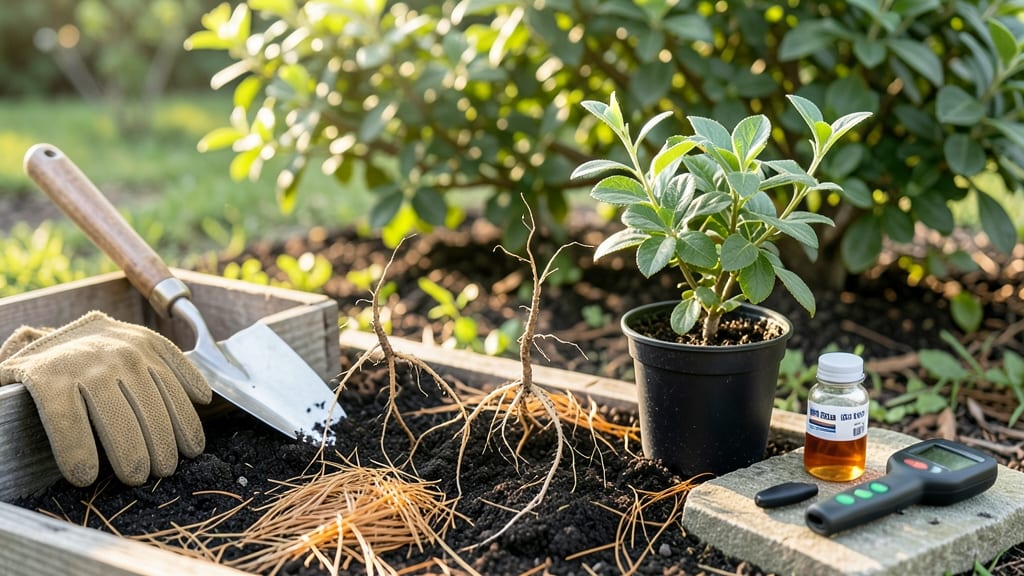
Planting blueberries in Zone 5 at the wrong time can mean the difference between a thriving bush and one that struggles to take root. The chill-hour requirements of these 🫐 blueberries make timing everything—too early, and frost will damage tender roots; too late, and they won’t establish before winter.
But don’t worry, I’ve got the exact windows you need to plant for success.
In Zone 5 (General), your best bets are late spring or early fall—specifically, late April to early June or September to early October. These periods give your blueberries enough time to root before the first frost hits in mid-October.
The key is avoiding the last frost date (usually mid-May) while ensuring soil temperatures are warm enough for growth.
Why does this matter? Because blueberries are finicky about their environment, and getting the timing right means healthier plants, bigger yields, and fewer headaches down the road.
I’ll walk you through the exact steps to prepare your soil, choose the right varieties for your zone, and protect your bushes from late-season frosts—so you can enjoy a bountiful harvest by mid-summer.
Ready to get started? Let’s break down the perfect planting schedule for your Zone 5 garden, so you can grow blueberries that thrive year after year.
Zone 5 blueberry planting timeline by chill-hour requirements
Blueberries thrive in Zone 5, but timing is everything—especially when it comes to chill hours. Most varieties need 400-1000 chill hours (temperatures between 32-45°F) to flower properly.
In Zone 5, that means planting at the right time ensures your bushes get enough winter cold to produce fruit. Northern Highbush varieties (like 'Bluecrop') need 800-1000 chill hours, while Southern Highbush types (like 'Premier') thrive with 400-600 chill hours.
Zone 5’s last frost typically hits around mid-May, but soil temperatures must reach 40°F or warmer before planting. This usually aligns with late April to early June for spring planting. Fall planting is also an option—aim for September to early October—giving roots time to establish before winter.
The key is avoiding extreme heat or frost during the first few weeks after transplanting.
Here’s the critical timeline: Northern Highbush varieties should go in the ground 4-6 weeks after last frost (around late April), while Southern Highbush types can handle slightly earlier planting (as early as mid-April) because they need fewer chill hours.
Fall planting works for both, but avoid planting too late—roots need 6-8 weeks to establish before winter dormancy.
Soil temperature is just as important as air temperature. Use a soil thermometer to confirm it’s above 40°F before planting. Cold soil can shock roots, stalling growth.
If your soil is still chilly, wait another week or two. Mulch heavily (3-4 inches of pine straw or wood chips) to regulate soil temperature and retain moisture once planted.
One common mistake? Planting too early in Zone 5’s unpredictable spring. A late frost can kill young shoots, so always monitor your local frost date forecasts. For extra protection, use frost cloth or a mini greenhouse to shield new plants until they’re well-established.
This is especially critical for Southern Highbush varieties, which are less cold-hardy.
Fall planting has its advantages: cooler air reduces transplant shock, and roots grow steadily until winter. However, avoid planting after early October—roots won’t have enough time to harden off before freezing temperatures arrive.
If you’re in Zone 5a (colder), lean toward September planting; in Zone 5b (milder), early October is safer.
Pro tip: Acidic soil (pH 4.5-5.5) is non-negotiable for blueberries. Test your soil before planting and amend with peat moss or sulfur if needed. Blueberries won’t thrive in alkaline soil, no matter how perfect the timing.
Pair this with well-draining soil—poor drainage leads to root rot, even with ideal planting dates.
Let’s break down the best planting windows for Zone 5 varieties in this comparison table:
| Variety Type | Chill Hours Needed | Best Planting Window (Zone 5) | Soil Temp Requirement | Key Consideration |
|---|---|---|---|---|
| Northern Highbush | 800-1000 hours | Late April - Early June | ≥40°F | Needs full winter chill; frost protection critical in spring. |
| Southern Highbush | 400-600 hours | Mid-April - Late May | ≥40°F | Less cold-hardy; plant earlier to avoid late frosts. |
| Lowbush (Wild) | 1000+ hours | Late April - Early May | ≥45°F | Hardiest; plant ASAP after last frost for best survival. |
| Half-High | 600-800 hours | Late April - Early June | ≥40°F | Balanced chill needs; ideal for small gardens. |
If you’re still unsure about your local chill hours, check your USDA Plant Hardiness Zone Map and use a chill-hour calculator (many are free online). For example, Chicago (Zone 5b) averages 900 chill hours, making it perfect for Northern Highbush varieties like 'Bluecrop.'
Meanwhile, Philadelphia (Zone 6a) might lean toward Southern Highbush types like 'Chandler' if chill hours dip below
How to time your blueberry planting for maximum survival in Zone 5
Timing your blueberry planting isn't just about the calendar—it's about survival strategies for Zone 5's unpredictable climate. The biggest mistake I see? Planting too early and getting hit by late frosts, or too late and having roots struggle before winter.
Here’s how to avoid transplant shock and give your bushes the best chance to thrive.
First, focus on soil temperature, not just air temperature. Blueberries need soil that’s at least 40°F—use a soil thermometer to check. If your soil is still cold, wait.
Cold soil slows root growth and can lead to root rot or fungal issues. In Zone 5, this usually means waiting until late April or early May for spring planting.
For fall planting, aim for September to early October. This gives roots time to establish before winter dormancy, but avoid planting after early October—roots won’t have enough time to harden off. If you’re in Zone 5a (colder), lean toward September; in Zone 5b (milder), early October is safer.
Here’s my step-by-step