
Companion Plants
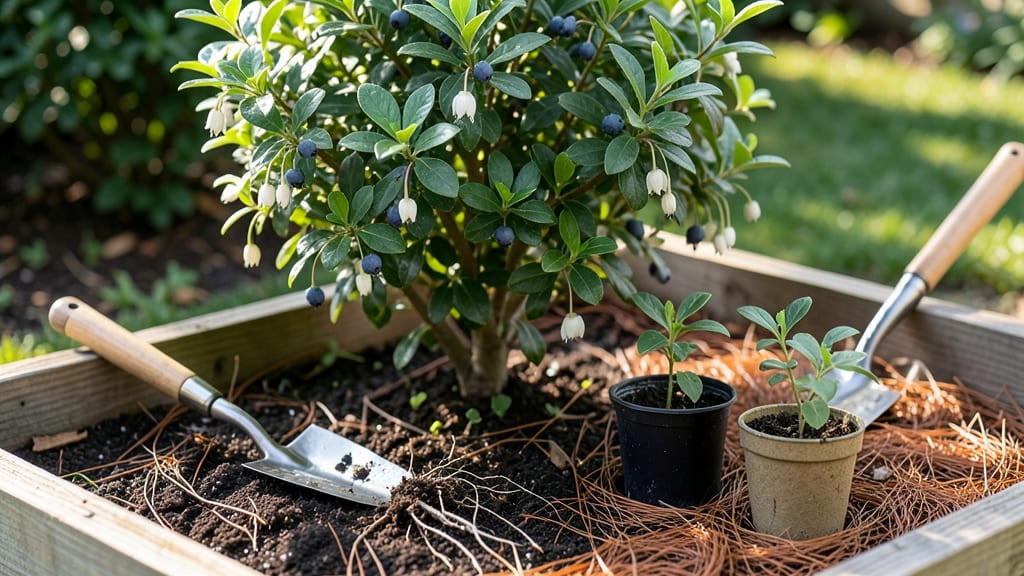
Timing your Blueberry Bush planting in Pennsylvania isn’t just about the calendar—it’s about matching your bushes to the state’s chill-hour zones for that perfect harvest. Skip this step, and you might end up with bushes that bloom but never bear fruit, no matter how much care you put in.
The right window means the difference between a thriving 🫐 patch and years of frustration.
Most gardeners in PA’s 5b-7a zones know spring is the prime time, but the exact month depends on your microclimate—whether you’re in rural Lancaster or urban Philadelphia. Plant too early, and frost could damage tender roots; too late, and your bushes might struggle to establish before summer heat sets in.
I’ll break down the ideal March-April window and why it works for PA’s climate.
Beyond the calendar, soil prep and variety selection are just as critical. Blueberries need acidic soil (pH 4.5-5.5) and the right chill-hour match—like Duke for northern PA or Patriot for southern regions—to thrive.
I’ll walk you through how to prep your soil, choose the right bushes, and even troubleshoot common mistakes that kill yields before they start.
Ready to turn your backyard into a blueberry bonanza? Let’s dive into the exact steps—from soil tests to frost dates—that’ll have your bushes bursting with fruit by late June. No guesswork, just proven PA-specific strategies for a harvest you’ll actually enjoy.
Best planting months in PA based on chill-hour zones
Pennsylvania’s chill-hour requirements determine the best time to plant blueberry bushes—500-900 hours below 45°F are critical for bud formation. Most of PA falls in USDA zones 5b-7a, where spring planting (March-April) aligns perfectly with soil thaw and bud break.
However, fall planting (September-October) works in warmer southern regions (zones 6-7) to establish roots before winter.
Your local chill-hours dictate variety success. For example, Duke blueberries (300-500 chill-hours) thrive in southern PA (zones 6-7), while Bluecrop (700-900 chill-hours) excels in northern PA (zones 5-6). Always check your microclimate—urban areas often have 2-3°F warmer temps than rural zones, affecting chill accumulation.
Timing matters: Plant bare-root bushes in late winter (February-March) when soil is workable but before buds swell. Container-grown bushes can go in until May, but avoid summer heat stress. In northern PA (zones 5b-6a), aim for March-April to prevent winter dieback from late frosts.
📅 PA Blueberry Planting Timeline by Chill-Zone
| Zone | Chill-Hours Needed | Best Planting Window | Key Consideration |
|---|---|---|---|
| 5b-6a (Northeast PA) | 700-900 | March 15 - April 15 | Avoid late frosts; use Bluecrop or Jersey varieties. |
| 6b-7a (Central/Southern PA) | 500-700 | March 1 - May 1 | Fall planting (Sept-Oct) works; try Duke or Patriot. |
| Urban PA (Microclimates) | 500-800 (varies) | April 1 - May 15 | Container planting extends window; monitor heat stress. |
💡 Pro Tip: Use PA State University’s chill-hour map to verify your exact zone.
Missed the spring window? Fall planting (September-October) is ideal for southern PA (zones 6-7), giving roots time to establish before winter. However, avoid planting when soil temps drop below 40°F—roots won’t grow, and bushes risk winter heave.
In northern PA, stick to spring to prevent frost damage to tender new growth.
Container planting offers flexibility. You can plant container-grown blueberries until June, but expect a delayed first harvest (1-2 years later). For in-ground planting, March-April is non-negotiable in zones 5-6. Use row covers if late frosts threaten after planting—32°F can kill young shoots.
Soil temperature is your true guide. Use a soil thermometer—plant when temps hit 40°F (minimum for root growth). In southeastern PA, this often means March 15, while northwest PA may wait until April 15. Bare-root bushes need moist (not soggy) soil to prevent desiccation.
Don’t overlook microclimates. A south-facing slope in Pittsburgh (zone 6b) may warm up 2 weeks earlier than a north-facing valley.
Adjust planting dates accordingly—earlier in sunny spots, later in shaded or low-lying areas. Urban heat islands can also push chill-hours down, favoring low-chill varieties like Top Hat.
Local nurseries like Stark Bro’s or Montgomery County Nurseries offer PA-adapted varieties with chill-hour labels. Ask for dwarf or semi-dwarf bushes if space is limited—they mature faster (2-3 years vs. 4-5 years for standard sizes) and yield 20-30% more per square foot.
Remember: Spring planting = faster harvests, while fall planting = stronger root systems. Choose based on your zone, variety, and soil readiness. With the right timing, your PA blueberry bushes could bear fruit as early as Year 2—just don’t rush it! 🫐
Best planting months in PA based on chill-hour zones
Pennsylvania’s chill-hour requirements (500–1,000 hours below 45°F) dictate when to plant blueberry bushes for optimal growth. Most of PA falls in USDA Zones 5b–7a, where late winter to early spring (March–April) is ideal.
This timing aligns with dormancy breaking and soil thawing, giving roots time to establish before summer heat arrives.
If you’re in northern PA (Zones 5b–6a), aim for March planting—soil warms slower, and early frost risks linger. In southern PA (Zones 6b–7a), April planting works best, as milder winters reduce early-season stress. Always check your last frost date (avg. April 15) to avoid transplant shock.
Fall planting is risky in PA due to unpredictable freezes. If you must plant in fall, do so by mid-September in northern regions or late September in the south, ensuring roots establish before winter dormancy. Container-grown bushes adapt better to fall planting than bare-root varieties.
| PA Region | USDA Zone | Best Planting Month | Chill-Hours Needed | Key Consideration |
|---|---|---|---|---|
| Northern PA | 5b–6a | March | 800–1,000 hrs | Soil thaws late; avoid early frost |
| Central PA | 6b–7a | April | 600–800 hrs | Moderate winters; faster root growth |
| Southern PA | 7a–7b | Late March–April | 500–700 hrs | Milder climate; watch for early heat stress |
For container planting, extend your window slightly—containers warm faster, so you can plant 1–2 weeks earlier than in-ground. Use black plastic pots to absorb sunlight and accelerate root growth.
If you’re in an urban heat island (e.g., Philadelphia), opt for shade-tolerant varieties like Top Hat and plant in late April to avoid heat stress.
Pro tip: Soak bare-root bushes for 2–4 hours before planting to revive roots. In dry years, mulch heavily with pine straw to retain moisture and simulate acidic forest floor conditions. Avoid planting during heatwaves (above 85°F), as transplant shock becomes severe.
Timing isn’t just about months—it’s about microclimates. A north-facing yard in Erie may need 2 weeks later than a south-facing garden in Lancaster. Use a local weather app to track soil temps (aim for 45°F+) before planting.