
Plants
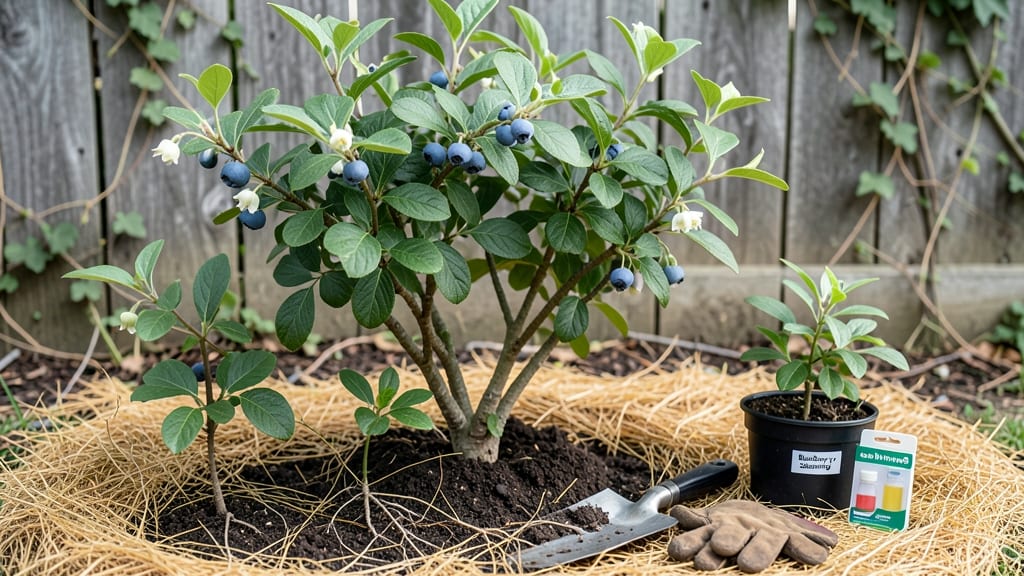
Planting a 🫐 Blueberry Bush in Alabama can transform your yard into a sweet, fruiting paradise—but timing is the key to success. Whether you're in Zone 7b or 8a, getting those roots in the ground at the right moment means the difference between thriving bushes and struggling starts.
The perfect window opens when soil temps dip just enough to avoid summer heat stress, but before winter's chill sets in.
Most Alabama gardeners swear by fall planting, between October and November, when the air cools and the ground stays warm enough for roots to establish. This gives your blueberries a head start before winter dormancy, setting them up for explosive growth come spring.
But spring planting also works if you act early—think February to March—before the last frost date sneaks up on you.
Why does this matter? Because blueberries are finicky about their environment, and Alabama's climate throws a few curveballs. Too early, and frost will nip your tender new plants. Too late, and they won't have time to settle in before the heat of summer.
I'll walk you through exactly when to plant, how to prep your soil for these acid-loving shrubs, and what to watch for in Alabama's unique growing conditions.
Ready to grow your own blueberries? Let's dive into the ideal planting windows, soil secrets, and care tips that'll have your bushes bursting with fruit in no time—without the guesswork. Your future breakfast bowls are about to get a whole lot sweeter.
Best planting months for blueberries in Alabama’s zones 7b-8a
Alabama’s USDA Zones 7b-8a offer two prime windows for planting blueberry bushes: late winter to early spring (February–March) and fall (October–November). Each season has unique advantages—spring planting aligns with natural growth cycles, while fall gives roots time to establish before winter.
I’ll break down the ideal timing, soil temperature requirements, and how to adjust for Alabama’s microclimates.
For spring planting, aim for February 15–March 15 after the last frost (typically March 15 in most of Alabama). Soil temperatures should reach 40°F+ to encourage root growth.
In northern Alabama (Zone 7b), wait until late March to avoid late frosts, while southern Alabama (Zone 8a) can start as early as mid-February.
Fall planting is my top recommendation for Alabama gardeners. Plant between October 1–November 15 to allow roots to establish before winter dormancy. This method reduces transplant shock and yields faster fruiting. Just ensure the ground isn’t frozen—soil temps above 50°F are ideal for root development.
If you miss these windows, container-grown blueberries can be planted year-round, but they’ll need extra care during extreme heat or cold. Bare-root plants, however, must be planted dormant—never in summer heat, as they’ll wilt and fail to establish.
🌱
Alabama’s microclimates can shift planting windows by weeks. For example, mountainous areas (e.g., Huntsville, Zone 7b) may need to delay until late March, while coastal regions (e.g., Mobile, Zone 8a) can plant as early as January. Check your local frost dates (via Alabama A&M Extension) and adjust accordingly.
For bare-root plants, soak roots for 2–4 hours before planting to rehydrate them. Container-grown bushes can be planted anytime but need immediate deep watering to reduce transplant shock. Both types benefit from a 2-inch layer of mulch to retain moisture and regulate soil temperature.
Pro tip: If planting in sandy soils (common in southern Alabama), add peat moss or compost to improve water retention. In clay-heavy soils (northern Alabama), amend with pine bark fines to enhance drainage. Both adjustments are critical for blueberry success.
After planting, avoid fertilizing for the first 6–8 weeks—let roots establish before introducing nutrients. Instead, focus on consistent watering (1–2 gallons per plant) and light pruning to remove damaged branches. This sets the stage for strong first-year growth and earlier fruiting.
Finally, consider pollination needs: Plant at least two varieties (e.g., ‘Duke’ + ‘Climax’) for cross-pollination. Alabama’s warm springs ensure good pollinator activity, but bees love blueberries—just don’t over-spray with pesticides during bloom!
With the right timing and prep, your Alabama blueberry bushes will thrive—producing sweet, juicy berries for years to come. 🫐
Best planting months for blueberries in Alabama’s zones 7b-8a
Alabama’s USDA Zones 7b-8a offer two ideal windows for planting blueberry bushes: late winter to early spring and fall. The best time depends on your specific goals—spring planting (February–March) gives plants a full growing season before winter, while fall planting (October–November) allows roots to establish before dormancy.
Both methods work, but timing matters to avoid frost damage or missed growth opportunities.
For spring planting, aim for late February to early March once soil temperatures reach 40°F (4°C).
This ensures roots can warm up and grow before Alabama’s last frost (typically mid-March). Fall planting, however, should happen 6-8 weeks before the first frost (usually late October to November) to give roots time to anchor before winter dormancy.
| Season | Best Months | Soil Temp | Key Consideration |
|---|---|---|---|
| Spring | Late February–Early March | 40°F (4°C) | Avoid frost; roots need warmth to grow |
| Fall | Late October–November | 50°F (10°C) | Roots establish before winter dormancy |
| Bare-Root Plants | Spring only (Feb–March) | 40°F (4°C) | Must be planted while dormant |
| Container-Grown | Spring or Fall | 45°F (7°C) | Flexible timing; less frost risk |
If you’re in northern Alabama (Zone 7b), err on the side of late spring planting to avoid early frosts, while southern Alabama (Zone 8a) gardeners can plant as late as early December with minimal frost risk.
Container-grown blueberries offer more flexibility—they can be planted year-round in mild winters, though spring or fall remains ideal for root establishment.
Pro tip: Check your local Alabama Extension office for microclimate-specific frost dates. Urban areas may experience 2-3°F warmer nights than rural zones, extending your planting window slightly. For example, Huntsville (Zone 7b) might have a shorter fall window than Mobile (Zone 8a), which can plant later.
For bare-root plants, plant immediately upon arrival to prevent root drying. For container-grown bushes, water thoroughly before transplanting to reduce shock. Both types benefit from a 1-inch layer of mulch after planting to retain moisture and regulate soil temperature.
Remember: Blueberries hate alkaline soil. If your Alabama soil tests above pH 6.0, amend it with sulfur or peat moss before planting. This step is non-negotiable for thriving bushes—even the best timing won’t help if roots can’t access nutrients!