
Plants
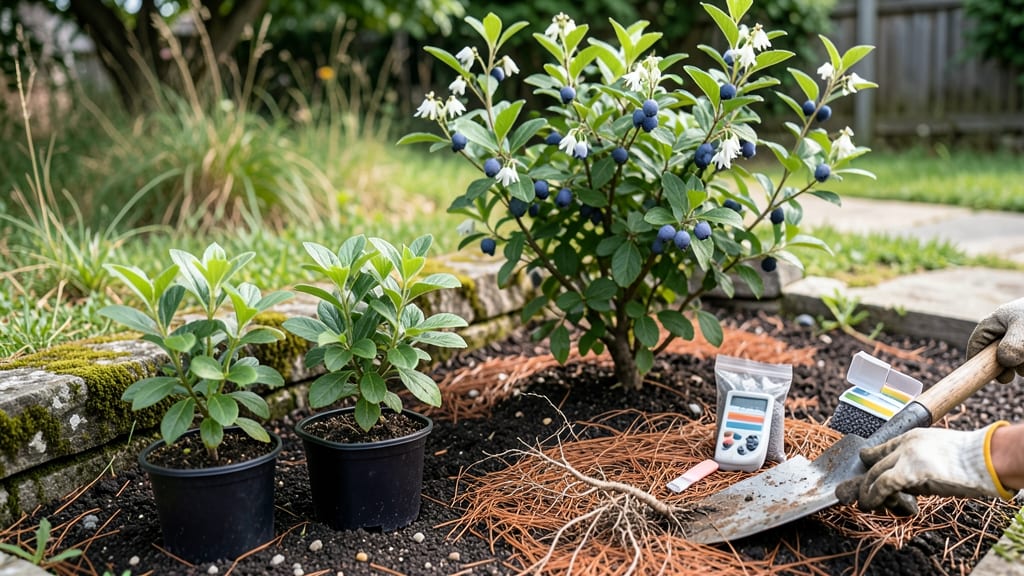
Timing your blueberry planting in Seattle isn't just about the calendar—it's about matching your bushes to the city's 450-900 chill-hour needs. Get it wrong, and you'll end up with sparse harvests or no fruit at all.
But nail the window, and you're looking at juicy, homegrown 🫐 from July to August.
Seattle's USDA Zone 8a climate means you've got a narrow but critical planting window—typically between late March and early April—right after the last frost. This timing ensures your blueberries get the cold dormancy they crave before summer heat arrives.
Miss this window, and you risk stunted growth or even plant failure.
Whether you're planting bare-root seedlings or potted bushes, the key is preparation. We'll walk you through soil pH adjustments, mulching techniques, and how to protect your young plants from Seattle's unpredictable spring showers. With the right approach, your blueberry bushes will thrive year after year.
Ready to turn your garden into a blueberry paradise? Let's dive into the exact steps to plant, nurture, and harvest the sweetest berries Seattle has to offer—without the guesswork.
Seattle’s best blueberry planting months: chill-hours explained
Seattle’s USDA Zone 7b-8a climate creates a unique challenge for blueberry growers—too little chill hours can stunt fruit production, while planting at the wrong time risks frost damage.
The key is matching your blueberry variety to Seattle’s 450-900 chill hours and planting during the optimal soil temperature window of 40-50°F.
Most gardeners in Seattle plant blueberries in late March through early April, just after the average last frost date (March 15). However, fall planting (September-October) is also popular because it allows roots to establish before winter while avoiding spring’s unpredictable frost risks.
The secret? Chill-hour compatibility—Seattle’s varieties need 500+ hours below 45°F to produce fruit.
Here’s why timing matters: Planting too early risks frost damage to tender new growth, while planting too late may delay root establishment before winter. Seattle’s cool maritime climate means soil warms slowly, so bare-root plants need extra care to avoid drying out during spring’s variable rainfall.
Let’s break down the chill-hour requirements for Seattle’s top varieties and the best planting windows to maximize your harvest. Understanding this will help you choose the right plants and avoid common mistakes like overwatering in winter or underestimating soil acidity.
| Variety | Chill Hours Needed | Best Planting Window | Soil Temp Requirement | Notes for Seattle |
|---|---|---|---|---|
| Duke | 500-600 hrs | Late March - Early April | 40-50°F | Early ripening; great for Seattle’s short summer |
| Legacy | 600-700 hrs | September - October (fall) or late March | 45-55°F | Cold-hardy; disease-resistant; best for fall planting |
| Bluecrop | 700-900 hrs | Late March - Early April | 40-50°F | High yield; needs cross-pollination |
| Top Hat (Dwarf) | 500-600 hrs | Late March - Early April | 40-50°F | Compact; ideal for containers or small gardens |
Seattle’s spring planting window (late March to early April) aligns perfectly with the Duke and Bluecrop varieties, which thrive in the region’s 450-600 chill hours.
However, if you prefer fall planting, Legacy blueberries are your best bet—they handle Seattle’s cool, wet autumns better than other varieties and establish strong roots before winter.
Pro tip: Use a soil thermometer to check when soil temps hit 40-50°F—this is your cue to plant. In Seattle, this typically happens in late March, but microclimates near Puget Sound may warm earlier.
If you’re planting in Zone 8a areas (like Mercer Island), you might plant 1-2 weeks earlier than inland neighborhoods.
One common mistake is assuming all blueberries need the same chill hours. For example, Southern Highbush varieties (like O’Neal) require 200-300 chill hours and won’t produce well in Seattle’s climate. Stick to Northern Highbush varieties like Duke or Legacy, which are bred for Pacific Northwest conditions.
To test your soil’s chill-hour readiness, place a minimum-maximum thermometer in your garden in late winter. If it records 500+ hours below 45°F by early March, you’re good to plant in spring. If not, consider fall planting or a variety like Top Hat, which tolerates slightly fewer chill hours.
Remember, blueberries are acid-loving plants, so Seattle’s naturally acidic soil (pH 5.0-6.0) is a plus—but test your soil first. If it’s above pH 6.0, amend with sulfur or peat moss before planting. The right soil pH (4.5-5.5) is just as critical as timing!
Seattle’s wet climate also means you’ll need to mulch heavily (3-4 inches of pine bark or wood chips
Seattle’s best blueberry planting months: chill-hours explained
Seattle’s USDA Zone 7b-8a climate creates a unique challenge for blueberry growers—too early, and frost zaps tender roots; too late, and plants struggle to establish before winter. The key? Matching your blueberry variety’s chill-hour requirements (450-900 hours below 45°F) with Seattle’s natural cool-season window.
Most local varieties thrive with 600-800 chill hours, aligning perfectly with our November-March cold snaps.
For spring planting (March-April), aim for late March to early April after Seattle’s average last frost date of March 15. Soil temperatures should reach 45°F+ at 4" depth—use a soil thermometer to confirm.
Fall planting (September-October) works too, giving roots time to establish before winter, but avoid planting after November 15 when first frosts arrive.
Chill-hour mismatches cause poor flowering or no fruit. For example, Duke variety (600-700 hours) struggles in warmer microclimates like West Seattle, while Legacy (800+ hours) excels in cooler Eastside areas. Always check variety tags—this is non-negotiable for Seattle success.
| Planting Window | Chill-Hour Range | Soil Temp Requirement | Seattle Microclimate Fit |
|---|---|---|---|
| Late March-Early April | 600-800 hours | 45°F+ at 4" | Best for most Seattle areas |
| September-October | 450-700 hours | 50°F+ at 4" | Ideal for Eastside (cooler) |
| Avoid after Nov 15 | N/A (frost risk) | N/A | Risk of winter kill |
Seattle’s microclimates add another layer—West Seattle’s milder winters may push your chill-hour total lower than Eastside areas. If you’re unsure, plant two varieties (e.g., Duke + Bluecrop) to ensure cross-pollination and broader chill-hour coverage.
Always test your soil pH (4.5-5.5 is critical) before planting, as Seattle’s native soils often skew alkaline.
Pro tip: Order bare-root plants in late winter (February) and store them in a cool, dark place (like your garage) until planting. Potted plants can go in anytime, but spring planting gives them a head start.
For container growing, use acidic potting mix and place pots in full sun spots with wind protection—Seattle’s coastal breezes dry out young plants quickly.
Timing isn’t just about months—it’s about weather patterns. Check the NOAA Seattle climate outlook for frost predictions in March, and have frost cloth ready for late-season surprises.
With the right chill-hour match and planting window, your blueberries will reward you with years of sweet harvests—starting as early as July in Seattle’s warm microclimates.