
Plants
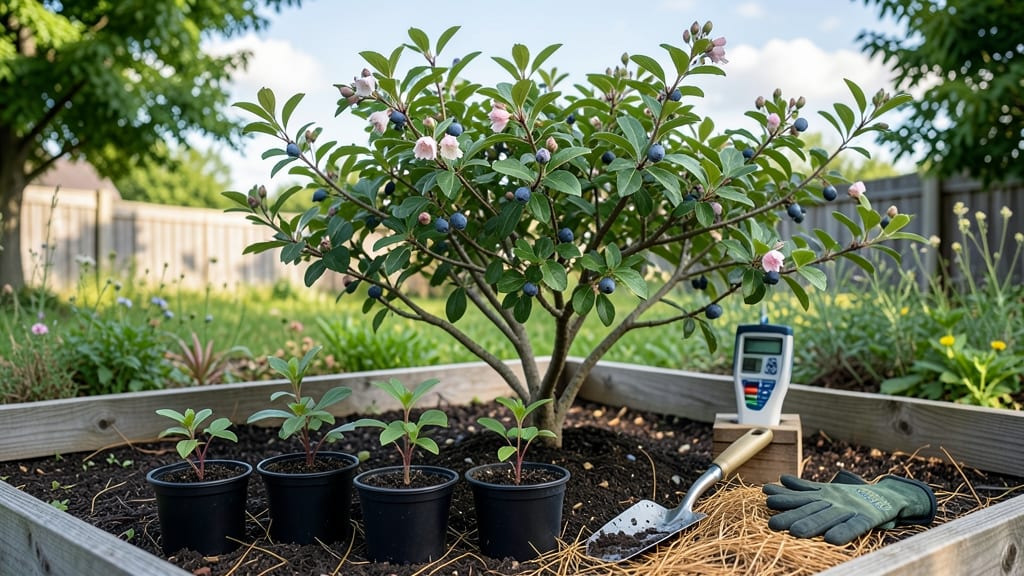
Planting your blueberry bush 🫐 at the wrong time in Mississippi could mean waiting years for that first sweet harvest. The key to success lies in understanding the state's unique climate zones and frost patterns—because what works in North Mississippi might fail in the South.
For gardeners in USDA Zone 8a, the ideal window stretches from November through March, when cooler temperatures help roots establish before summer heat arrives. But timing isn't just about months—it's about soil temperatures, rainfall patterns, and even whether you're planting bare-root or potted bushes.
I'll break down exactly when to plant in Mississippi's different regions, plus the 5 critical factors that separate thriving bushes from struggling ones.
Whether you're a first-time gardener or a seasoned pro, these insights will help you avoid common mistakes and set your blueberries up for a bountiful harvest from May to July.
Ready to turn your Mississippi garden into a blueberry paradise? Let's get started with the perfect planting schedule for your zone.
Mississippi blueberry planting calendar by USDA Zone (7b, 8a, 8b, 9a)
Mississippi's USDA zones 7b-9a offer ideal conditions for blueberries, but planting timing varies dramatically between northern and southern regions. The cool winter months (November-March) are perfect for establishing roots before summer heat arrives. Let's break down the exact windows for each zone to maximize your blueberry harvest potential.
In Zone 7b (northern Mississippi), you'll want to plant blueberry bushes as early as late October to take advantage of cooler soils. For Zones 8a-8b (central Mississippi), the optimal window extends from November through January, while Zone 9a (southern Mississippi) benefits from planting through early March.
Here's why timing matters: Blueberries need 60-90 days of cool soil temperatures (45-60°F) for proper root establishment. Planting too early risks frost damage, while planting too late means struggling with summer heat stress during critical growth phases.
| USDA Zone | Best Planting Window | Soil Temp Requirement | Variety Recommendation | Frost Risk |
|---|---|---|---|---|
| 7b (North MS) | Late Oct - Early Dec | 45-60°F (7-15°C) | Southern Highbush | High (late frost risk) |
| 8a (Central MS) | Nov - Jan | 50-65°F (10-18°C) | Rabbiteye or Hybrid | Moderate |
| 8b (Central MS) | Nov - Feb | 55-70°F (13-21°C) | Southern Highbush | Low |
| 9a (South MS) | Dec - Early Mar | 60-75°F (15-24°C) | Rabbiteye (heat-tolerant) | Very Low |
The late fall to early spring window exists because blueberries enter dormancy in summer. Planting during this period allows roots to establish before the Mississippi heat arrives. For Zone 7b gardeners, I recommend planting by December 1st to avoid late frosts that can damage new growth.
Mississippi's humid subtropical climate creates microclimates where northern zones experience earlier frosts than southern areas. In Zone 9a, you can sometimes plant as late as early March without risking frost damage. However, always check your local frost dates—they can vary by 10-14 days even within the same zone.
For container planting (popular in Mississippi's urban areas), the timing is slightly more flexible. You can plant potted blueberries through early April as long as you provide afternoon shade during summer months. The key is maintaining consistent moisture and acidic soil conditions regardless of planting time.
Remember that bare-root plants (common in Mississippi nurseries) establish faster than container-grown bushes when planted during the optimal window. If you must plant outside these times, choose container-grown blueberries and provide extra mulch protection during summer months.
Pro tip: Mississippi's summer heat can stress newly planted blueberries. If you plant in late winter (February-March), create a shade cloth system for the first 6-8 weeks to help them acclimate. This simple step can double your survival rate in hotter zones like 8b and 9a.
Always check your local extension service for microclimate adjustments. For example, areas near large bodies of water (like the Mississippi River) may have cooler microclimates that extend the planting window by 2-3 weeks compared to inland areas.
5 Critical factors that determine your Mississippi blueberry planting success
Timing isn’t the only factor for successful blueberry planting in Mississippi—your soil pH, watering strategy, and planting method all play pivotal roles. Unlike northern climates, Mississippi’s heat and humidity demand extra attention to root health and disease prevention.
Let’s break down the 5 non-negotiable factors that separate thriving bushes from struggling ones.
First, soil pH between 4.5 and 5.5 is non-negotiable for blueberries. Mississippi’s native soils often lean alkaline, so you’ll likely need to amend with sulfur or peat moss before planting.
A quick soil test from your local MSU Extension office can save you from years of poor yields. Acid-loving plants like blueberries won’t thrive in neutral or alkaline soil, no matter how perfect your timing is.
Second, watering consistency is your secret weapon against Mississippi’s summer heat. Blueberries need 1-2 inches of water weekly, but deep soaking is better than frequent shallow watering.
Use drip irrigation or soaker hoses to keep roots moist without wetting the leaves—this prevents fungal diseases like botrytis, which thrive in humid conditions. Morning watering is ideal to reduce evaporation and give foliage time to dry.
Third, choose between container planting and in-ground planting based on your space and long-term commitment. Containers work well for small yards or renters, but they require larger pots (15+ gallons) and frequent watering.
In-ground planting gives roots more stability but needs well-draining soil to prevent root rot. Raised beds are a great compromise for Mississippi’s heavy clay soils in many regions.
Fourth, mulching is a game-changer for Mississippi’s heat. Apply 3-4 inches of pine straw or wood chips around your bushes to retain moisture, regulate soil temperature, and suppress weeds.
Just keep mulch 6 inches away from the stem to prevent rot. This simple step can double your survival rate during Mississippi’s brutal summers.
Finally, avoid planting in summer heat—even if you’re in a rush. Blueberries planted in June-August struggle to establish roots before the next heatwave.
If you must plant outside the ideal window, use shade cloth for the first 30 days and water daily to help them acclimate. Fall and early spring remain the gold standard for Mississippi gardeners.
Mississippi’s climate is forgiving for blueberries, but only if you respect these 5 factors. Skip any of them, and you’ll spend years playing catch-up instead of harvesting buckets of juicy berries.
Start with your soil test, then move to watering, planting method, mulching, and seasonal timing—in that order. Your future self (and your taste buds) will thank you. 🫐