
Plants
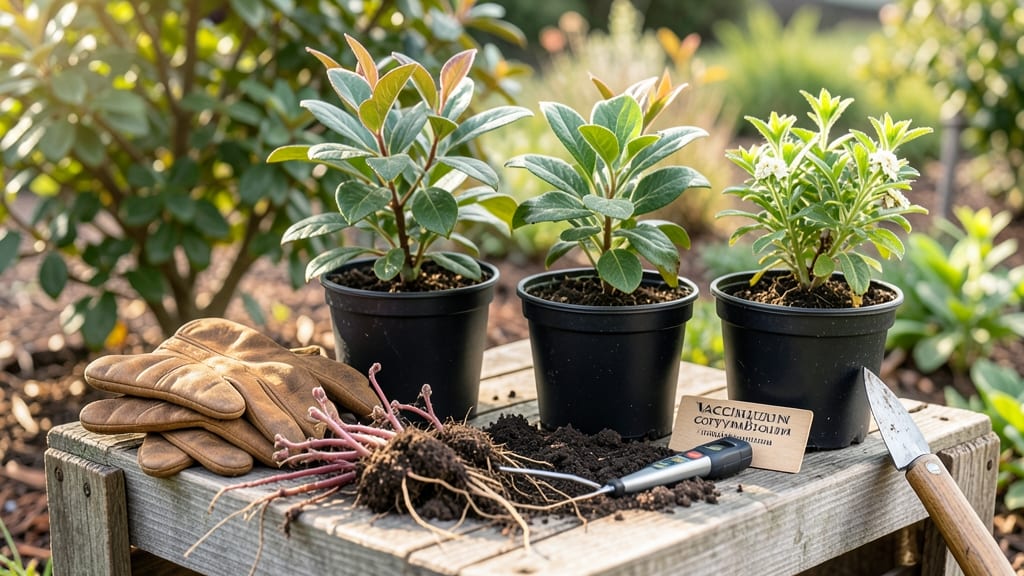
Best planting windows in Maine: frost-proof timing for northern climates
Maine’s short growing season and late spring frosts demand precise timing when planting blueberries. The ideal planting windows are late April to early May (after last frost) or September to early October (fall). These periods balance soil warmth and frost risk, giving young roots time to establish before winter dormancy.
Inland areas like Bangor or Presque Isle experience colder microclimates with later last frosts (often mid-May), while coastal regions like Portland or Bar Harbor warm up faster (typically early May). Always check your local USDA Zone 5-6 frost dates before planting.
Soil temperature is critical—wait until the ground reaches at least 45°F (7°C) for 2-3 consecutive days. Cold soil slows root growth, increasing frost damage risk. Use a soil thermometer to monitor conditions, especially in heavy clay soils that stay cold longer.
Spring planting offers longer establishment time before winter, but fall planting (by October 1st) gives roots a head start. Fall-planted bushes need extra mulch (3-4 inches) to insulate roots from freeze-thaw cycles. Avoid planting in November or later—roots won’t harden off in time.
Coastal vs. inland timing matters: Coastal areas can plant 2-3 weeks earlier due to moderating ocean breezes. Inland gardens should wait 10-14 days longer to avoid late May frosts. Elevation also plays a role—higher areas (like Mount Katahdin) may need to delay until early June.
🌱
| Factor | Spring Planting (April-May) | Fall Planting (Sept-Oct) |
|---|---|---|
| Best For | Longer root establishment | Early root growth |
| Soil Temp | 45°F+ (7°C+) | 50°F+ (10°C+) |
| Frost Risk | Moderate (late frosts) | Low (roots hardened) |
| Mulch Needed | 2-3 inches | 3-4 inches |
| Watering | Deep weekly | Bi-weekly (reduce Nov) |
| Best Varieties | Patriot, Bluecrop | Jersey, Northblue |
For container gardening, adjust timing by 2 weeks earlier—pots warm up faster. Place containers in south-facing spots and use black plastic pots to absorb heat. In Zone 4 areas (like Northern Aroostook County), opt for fall planting and protect with burlap wraps during winter.
Always harden off nursery plants before transplanting. Acclimate them to outdoor conditions for 7-10 days by gradually increasing sun exposure. Skip this step, and shocked plants may wilt or fail to establish. Pair hardening with evening watering to reduce transplant stress.
Pro tip: Plant 1-2 weeks after your neighbor if they’ve had frost damage. Check local agricultural extension reports (like UMaine Cooperative Extension) for real-time frost alerts. Their frost-free date maps are gold for Maine gardeners!
🌿
Best planting windows in Maine: frost-proof timing for northern climates
Maine’s short growing season and late spring frosts demand precise timing when planting blueberries. The ideal planting windows are late April to early May (after last frost) or September to early October (fall). These periods balance soil warmth and frost risk, giving young roots time to establish before winter.
For spring planting, wait until soil temperatures reach 50°F (10°C)—typically mid-May in most of Maine. Coastal areas like Portland may be 2 weeks earlier than inland Bangor due to microclimates. Always check your local USDA Zone 5-6 frost dates to avoid surprises.
| Season | Best Months | Soil Temp | Frost Risk | Maine Regions |
|---|---|---|---|---|
| Spring | April-May | 50°F+ | Low (post-frost) | Coastal: 2 wks earlier |
| Fall | September-Oct | 55°F+ | Moderate (early frost) | Inland: 3 wks earlier |
Fall planting offers 6-8 weeks of root growth before winter, but avoid planting after mid-October—young plants need time to harden off. For coastal Maine, extend fall planting to early November if temperatures stay mild. Always choose bare-root plants for fall to reduce transplant shock.
If you miss these windows, container planting extends flexibility. Use black plastic pots (to warm soil) and plant in early June, though yields may be smaller the first year.
For urban gardeners, this is a great workaround for late frosts in Zone 5 areas like Augusta or Presque Isle.
Pro tip: Test your soil’s drainage before planting. Blueberries hate soggy roots—amend heavy clay with peat moss or sand to improve aeration. A soil pH of 4.5-5.5 is non-negotiable for Maine’s native lowbush and highbush varieties.
Timing isn’t just about months—it’s about microclimates. A south-facing slope in Zone 5 might support spring planting 2 weeks earlier than a north-facing yard. Use these windows to your advantage, and your blueberries will reward you with decades of harvests.