
Plants
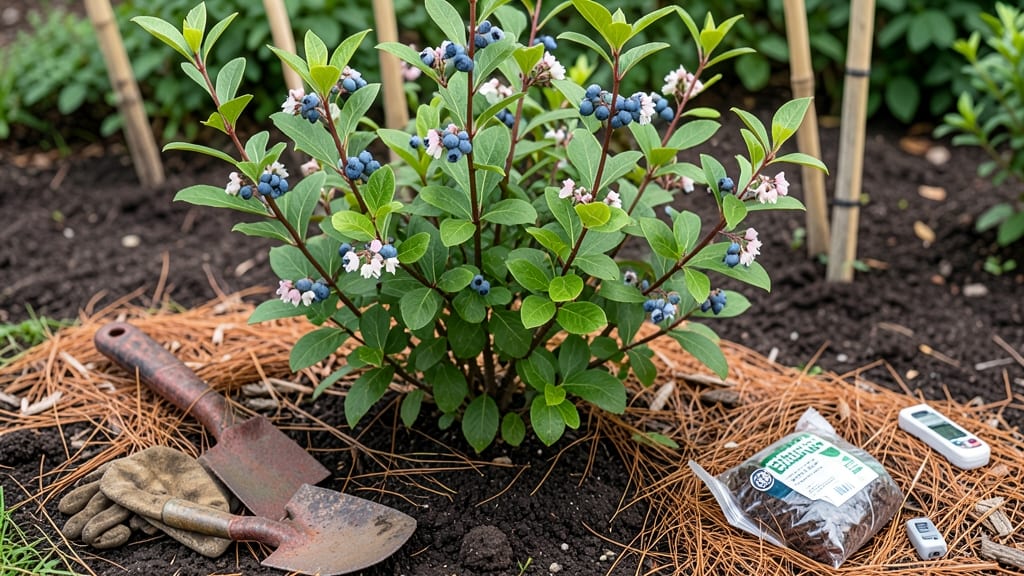
Planting blueberries in Washington State isn’t just about timing—it’s about surviving the chill-hour zones and avoiding frost that can turn your saplings into sad, wilted sticks.
Whether you’re in the Puget Sound’s milder climate or the colder inland areas, getting the schedule wrong means waiting years for those sweet 🫐 harvests.
The best window for planting is late winter to early spring (February–April) or early fall (September–October), but Washington’s varied frost-free dates complicate things. Plant too early, and a late frost will zap your young bushes; too late, and they won’t root before winter.
I’ll break down how to align your planting with your local chill hours and frost risks—so you’re not guessing.
You’ll also discover which blueberry varieties thrive in your specific zone (5b–8b) and how to prep your soil for acidic-loving bushes.
From adjusting for microclimates to avoiding common pitfalls, this guide ensures your blueberries get off to the right start—so you can enjoy homegrown berries for decades, not just one failed season.
Let’s dive into the exact months, soil tweaks, and frost-smart strategies that make all the difference in Washington’s unpredictable growing seasons. Your future 🫐 harvests depend on it!
Best planting months for blueberries in Washington’s chill-hour zones
Washington State spans USDA Hardiness Zones 5b through 8b, creating unique challenges for blueberry growers. The key to success lies in matching your planting window to your specific chill-hour zone—the number of hours below 45°F needed for dormancy.
Most Washington blueberries need 500-1,000 chill hours, with varieties like 'Duke' thriving in colder zones (5b-6a) and 'Bluecrop' doing well in warmer areas (7a-8b).
For Zone 5b-6a (eastern WA, Cascade foothills), aim for late September to early October planting. This gives roots time to establish before winter while taking advantage of cooler fall temperatures. In Zone 7a-8b (Puget Sound, western WA), November planting works best—just before the first frost—while still allowing root growth.
Spring planting is also viable but riskier. Bare-root blueberries planted in late February to early April (before buds swell) give roots a head start. However, spring-planted bushes may struggle in Zone 5b if late frosts hit. Container-grown plants can handle spring planting better due to their established root systems.
Here’s how Washington’s chill-hour zones break down for planting:
Microclimates play a huge role in Washington. For example, Spokane (Zone 6a) has colder winters than Seattle (Zone 8b), so adjust your planting window accordingly. If you’re in a high-elevation area (e.g., Leavenworth), plant in early September to avoid early frosts.
In contrast, lowland Puget Sound areas can handle November planting safely.
Always check your local last frost date (typically March 15-April 15 in most of WA) and plant at least 4-6 weeks before to ensure roots establish. For container-grown plants, you have slightly more flexibility—plant up to 2 weeks before the first frost.
Pro tip: Soil temperature matters just as much as air temperature. Blueberries prefer soil temps between 45-65°F for root growth. Use a soil thermometer to confirm before planting in spring. If soil is still cold (<40°F), wait another week.
Once planted, mulch heavily (3-4 inches of pine straw or wood chips) to protect roots from winter temperature swings. This is especially critical in Zone 5b-6a, where winter temps can drop below 10°F. Mulch also helps maintain the acidic soil pH (4.5-5.5) that blueberries crave.
🌱
How Washington’s frost-free dates impact blueberry planting success
Washington’s frost-free dates are the single most critical factor when deciding when to plant blueberries. In the Puget Sound region, the last frost typically arrives between March 15 and April 15, while high-elevation areas like the Cascade foothills can experience frost until May 1.
Planting too early risks frost damage to tender roots, while waiting too long delays root establishment before winter dormancy.
For spring planting, aim to get blueberries in the ground 4-6 weeks before your average last frost date. This gives roots time to establish before summer heat sets in.
In Zone 7b (Puget Sound), that means planting by mid-March, while Zone 5b (eastern WA) gardeners should wait until late April.
Fall planting offers a 6-8 week window before the first frost. In western WA (Zones 7-8), this means planting between September 15 and October 15. Eastern WA’s earlier frosts (October 1-November 1) shorten this window to September 1-October 1.
The key is planting 6-8 weeks before frost to allow roots to establish before dormancy.
⚠️ Critical Warning: Frost Timing Mistakes
Planting too early
- Tender roots freeze in late spring frosts (common in WA’s mountain valleys)
- New growth gets burned back by unexpected cold snaps
- Establishment period extends into summer, stressing plants
Planting too late
- Roots don’t establish before winter dormancy
- Plants enter dormancy weak and vulnerable to winter dieback
- First year’s fruit production suffers or fails entirely
Solution:
Check local frost dates using the USDA Plant Hardiness Zone Map or your local WSU Extension office. For WA, add 2-3 weeks buffer to official dates due to microclimate variations.
Microclimates play a huge role in WA. A south-facing slope in Zone 6 might be 2-3 weeks warmer than a valley bottom just miles away. Observe your garden’s frost patterns for 3 years before planting permanent blueberries. Use frost cloth for early spring planting in cold microclimates.
For container-grown blueberries, you have slightly more flexibility. These can be planted 2-3 weeks later than bare-root plants since their root balls are already established. However, they still need 4-6 weeks to acclimate before winter. In eastern WA, this means late September planting at the latest.
Remember: Washington’s chill-hour requirements (400-1000 hours below 45°F) are already met by winter, but proper timing ensures your blueberries thrive. Use mulch (4-6 inches) to protect roots from temperature swings and retain moisture during WA’s dry summers.