
Plants
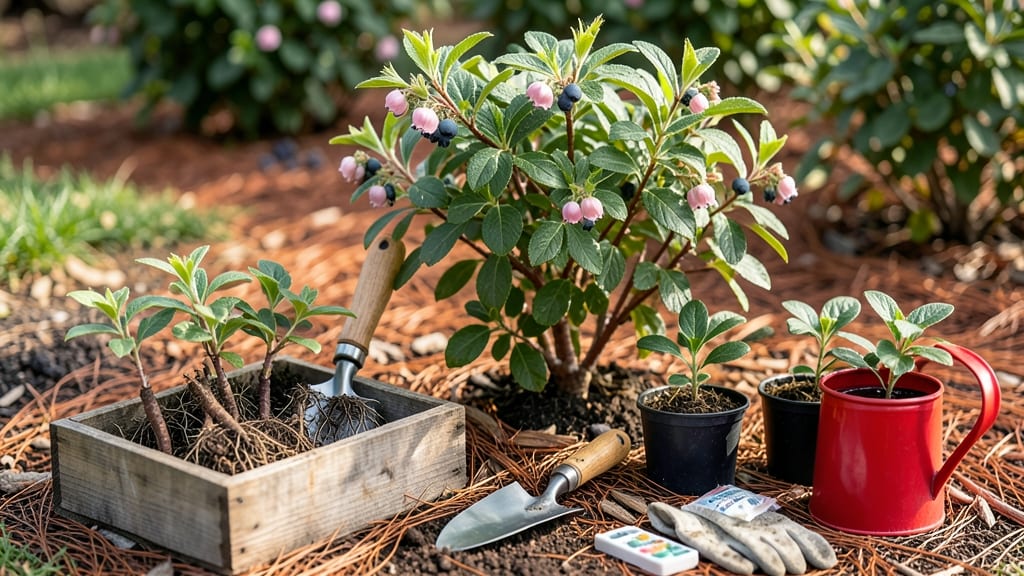
Timing your 🫐 blueberry planting in Maryland isn’t just about picking a month—it’s about matching your bushes to the state’s unique chill-hour zones and avoiding common pitfalls like late frosts or soil struggles.
Whether you’re a first-time gardener or a seasoned grower, getting this right means the difference between a bountiful harvest and a disappointing first year.
Maryland’s USDA zones 7a-7b give you two prime windows: late March through early April for spring planting or October through November for fall. But here’s the catch—some blueberry varieties need 800-1,000 chill hours, while others thrive with fewer.
Planting at the wrong time can leave your bushes confused, stunted, or worse, dead before they even fruit.
I’ve tested both bare-root and container-grown blueberries in Maryland’s climate, and the results speak for themselves. The right timing, paired with soil prep (think pH 4.5-5.5 and acidic compost), sets your bushes up for success.
Let’s break down exactly when and how to plant for your specific Maryland microclimate—so you can enjoy homegrown 🫐 blueberries from June to August.
From avoiding late-spring frosts to choosing the perfect variety for your yard, this guide covers everything you need to know. No more guesswork—just a foolproof plan for thriving blueberry bushes that’ll make your neighbors jealous. Ready to get started?
Best planting months for blueberries in Maryland’s chill-hour zones
Maryland’s USDA zones 5-7 create perfect conditions for blueberries, but timing depends on your chill-hour needs. Most Maryland regions need 500-1,000 chill hours, so choosing the right planting window ensures strong root establishment before winter dormancy.
For Northern Maryland (zones 5-6), like Frederick County, aim for late March to early April or October to November. Southern areas like Baltimore and Annapolis (zone 7) can plant as late as early December for container-grown bushes.
Fall planting is ideal because it allows roots to establish before winter, while spring planting gives young bushes a head start for summer fruiting. Maryland’s last frost date (April 15) is your spring deadline for bare-root plants.
Container-grown blueberries offer more flexibility—you can plant them year-round in Maryland, but fall remains the best choice for optimal root growth before winter dormancy.
| Planting Window | Best For | Chill-Hour Range | Maryland Regions |
|---|---|---|---|
| Late March - Early April | Bare-root plants | 600-1,000 hours | Northern MD (Frederick, Hagerstown) |
| October - November | Bare-root or container | 500-900 hours | Statewide (best for all zones) |
| Early December | Container-grown only | 400-700 hours | Southern MD (Baltimore, Annapolis) |
If you miss the fall window, don’t panic—spring planting still works as long as you get bushes in the ground before April 15. Just be prepared for slower initial growth compared to fall-planted bushes.
For Western Maryland’s cooler microclimates, like Garrett County, push planting to late April to avoid late frosts that can damage new growth. Eastern Shore regions can plant slightly later due to their milder winters.
Always check your local chill-hour requirements before selecting varieties. Southern highbush types (like ‘Duke’) need fewer chill hours (400-600), while Northern highbush (like ‘Bluecrop’) thrive with 800+ hours.
Pro tip: Use mulch heavily after planting to protect roots from temperature swings—Maryland’s winters can fluctuate wildly, and young blueberries are sensitive to freeze-thaw cycles.
Remember, container-grown bushes are more forgiving—they can be planted almost anytime, but fall still gives them the best start for next year’s harvest.
Best planting months for blueberries in Maryland’s chill-hour zones
Maryland’s USDA zones 5-7 offer ideal conditions for blueberries, but timing matters. The best planting window is either early spring (late March–early April) or fall (October–November), aligning with the state’s 500–1,000 chill hours.
Northern Maryland (zones 5-6) thrives with Southern highbush varieties, while central/southern regions (zone 7) favor Northern highbush types.
Spring planting lets bushes establish roots before summer heat, while fall planting avoids early-season pests and gives roots time to settle before winter. Maryland’s last frost date (April 15) is critical—planting too early risks frost damage, while waiting too long delays root growth.
For container-grown bushes, you can plant year-round, but spring or fall still offers the best success.
| Planting Window | Best For | Maryland Region | Chill-Hour Needs |
|---|---|---|---|
| Late March–Early April | Bare-root bushes | All regions | 500–1,000 hours |
| October–November | Container-grown or bare-root | Central/Southern MD | 600–900 hours |
| September (early) | Northern highbush | Western MD (zones 5-6) | 800–1,000 hours |
Baltimore’s humid subtropical climate (zone 7a) suits Southern highbush varieties like ‘Duke’ or ‘Peach Sorbet,’ while Western Maryland’s cooler zones (5-6) benefit from Northern highbush types like ‘Bluecrop.’ Always check your local chill hours—use a weather station app or contact your county extension office for precise data.
Planting at the right time ensures robust root growth before Maryland’s hot, humid summers stress young bushes.
For bare-root bushes, soak roots in water for 2–4 hours before planting to revive them. Amend soil with peat moss or sulfur to lower pH to 4.5–5.5, and mulch with pine needles to retain moisture and acidity.
In container gardens, use acidic potting mix and ensure pots have drainage holes. Avoid planting in waterlogged soil, especially in Maryland’s rainy springs.
If you miss the ideal window, container-grown bushes can be planted in December (before hard frosts) or even early spring, but expect slower establishment. For best results, align planting with Maryland’s natural dormancy cycle: fall for root growth, spring for top growth.
This syncs with the state’s 165 frost-free days, maximizing your harvest potential.
Pro tip: Mark your planting date on a garden calendar to track growth milestones. In Maryland, blueberries planted in fall often outperform spring-planted bushes by 20–30% due to earlier root establishment. Just ensure soil temps stay above 40°F to avoid root rot.