
Plants
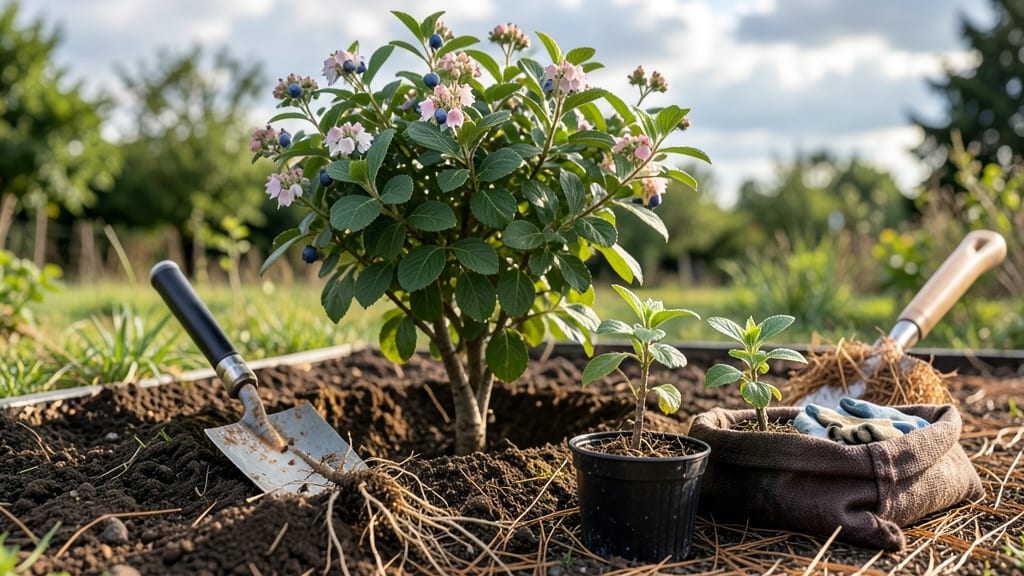
Michigan’s best planting months for blueberries based on chill-hour requirements
Michigan’s cool climate and variable frost dates make timing critical for blueberry bushes. The ideal planting window spans April to May (spring) or September to October (fall), aligning with chill-hour needs of 300–900 hours.
Northern Michigan (Zone 5a) requires 900+ chill hours, while southern Michigan (Zone 6b) thrives with 300–600 hours. Planting outside these windows risks frost damage or poor root establishment.
Spring planting (April–May) gives roots 6–8 weeks to establish before summer heat. Fall planting (September–October) allows roots to settle before winter, but avoid planting too late—soil temps below 40°F stunt growth.
Use Michigan State University’s frost maps to pinpoint your last frost date (typically mid-April in northern MI, late March in southern MI).
Blueberries need acidic soil (pH 4.5–5.5) and full sun (6+ hours). Test soil 4–6 weeks before planting to adjust pH with peat moss or sulfur.
Amend planting holes with composted pine needles or cottonseed meal to maintain acidity. Container planting extends flexibility—plant in large pots with acidic potting mix if ground soil is unsuitable.
🌱
| Region | USDA Zone | Chill Hours | Best Planting Months | Key Varieties |
|---|---|---|---|---|
| Northern MI (Upper Peninsula) | 5a | 900+ hours | April–May (spring) | Bluecrop, Patriot, Jersey |
| Central MI (Traverse City, Lansing) | 5b–6a | 600–800 hours | April–May or Sept–Oct | Bluecrop, Earliblue, Duke |
| Southern MI (Detroit, Kalamazoo) | 6a–6b | 300–600 hours | April–May (spring preferred) | Patriot, Bluegold, Chandler |
For container growing, plant in early spring (March–April) to avoid root-bound stress from summer heat. Use 15–20 gallon pots with drainage holes and acidic potting mix. Move containers to partial shade in summer to prevent heat stress.
In-ground planting requires well-draining soil—amend clay soil with organic matter like compost or peat moss to prevent root rot.
🌿
Michigan’s microclimates can shift planting windows by 2–4 weeks. Urban areas (e.g., Detroit) experience heat islands that delay frost, while rural northern MI may see earlier frosts.
Monitor local weather forecasts and use MSU Extension’s frost date tool to fine-tune timing. Bare-root plants should be planted as soon as soil thaws (late March–early April), while containerized bushes can wait until April for safer transplanting.
💧
After planting, mulch heavily with pine straw or wood chips to retain moisture and acidity. Water deeply 1–2 times per week (1–2 gallons per plant) for the first 2 months.
Avoid overhead watering to prevent fungal diseases like botrytis. In fall-planted bushes, water sparingly after mid-October to encourage dormancy before winter.
🌡️
Pro tip: Use MSU’s Blueberry Variety Selector Tool to match your chill hours and soil type with the best varieties. For example, ‘Bluecrop’ (800+ chill hours) thrives in northern MI, while ‘Patriot’ (300–600 chill hours) suits southern MI.
Always buy certified disease-free plants from reputable nurseries like Michigan Blueberry Growers to avoid root rot or mummy berry disease.
How to match blueberry varieties to Michigan’s microclimates for maximum yield
Michigan’s diverse climate—from the Upper Peninsula’s cold snaps to southern Michigan’s heat islands—means not all blueberry varieties thrive equally. The key is selecting cold-hardy varieties that match your local chill hours (300–900 hours) and adjusting planting schedules for urban vs. rural microclimates.
For example, ‘Bluecrop’ (high chill) excels in northern zones, while ‘Patriot’ (moderate chill) thrives in southern Michigan’s warmer pockets.
Start by identifying your USDA hardiness zone (5a–6b) and last frost date (mid-April in northern MI, late April in southern MI). Plant bare-root bushes in early spring (April–May) when soil thaws but before buds swell, or containerized plants in fall (September–October) for established root systems before winter dormancy.
Urban gardeners should avoid late spring planting near heat-absorbing pavement, which can stress young plants.
For northern Michigan (zones 5a–5b), prioritize high-chill varieties like ‘Bluecrop’ (800+ chill hours) or ‘Jersey’ (600+ chill hours). These varieties need full sun (6+ hours) and acidic soil (pH 4.5–5.5).
In southern Michigan (zones 6a–6b), opt for low-chill varieties like ‘Patriot’ (400–500 chill hours) or ‘Duke’ (300–400 chill hours), which tolerate warmer microclimates near buildings or blacktop.
| Variety | Chill Hours | Best Planting Window | Microclimate Fit |
|---|---|---|---|
| Bluecrop | 800+ | April–May (spring) | Northern MI, rural areas |
| Patriot | 400–500 | September–October (fall) | Southern MI, urban heat zones |
| Jersey | 600+ | April–May (spring) | Transitional zones (e.g., Grand Rapids) |
| Duke | 300–400 | September–October (fall) | Southern MI, protected microclimates |
Adjust planting schedules for wind exposure and soil drainage. In open fields, plant in early spring to avoid late frost damage, while sheltered yards (e.g., near fences) can accommodate fall planting.
Amend clay-heavy soils with peat moss or pine needles to maintain acidity and improve drainage. For container growing, use acidic potting mix and plant in large pots (15+ gallons) to prevent root stress.
Pro tip: Test your soil’s pH and organic matter before planting using a home test kit or Michigan State University Extension resources. Aim for pH 4.5–5.5 and 3–5% organic matter—blueberries are pickier than tomatoes about soil conditions!
Mulch with pine straw after planting to retain moisture and suppress weeds, especially in dry urban areas.
Finally, group compatible pollinator varieties (e.g., ‘Bluecrop’ + ‘Jersey’) within 15 feet for cross-pollination, but avoid planting near competing plants like raspberries, which share pests. With the right variety and timing, your Michigan blueberry bushes can yield pounds of fruit per plant—starting as early as year 3!