
Plants
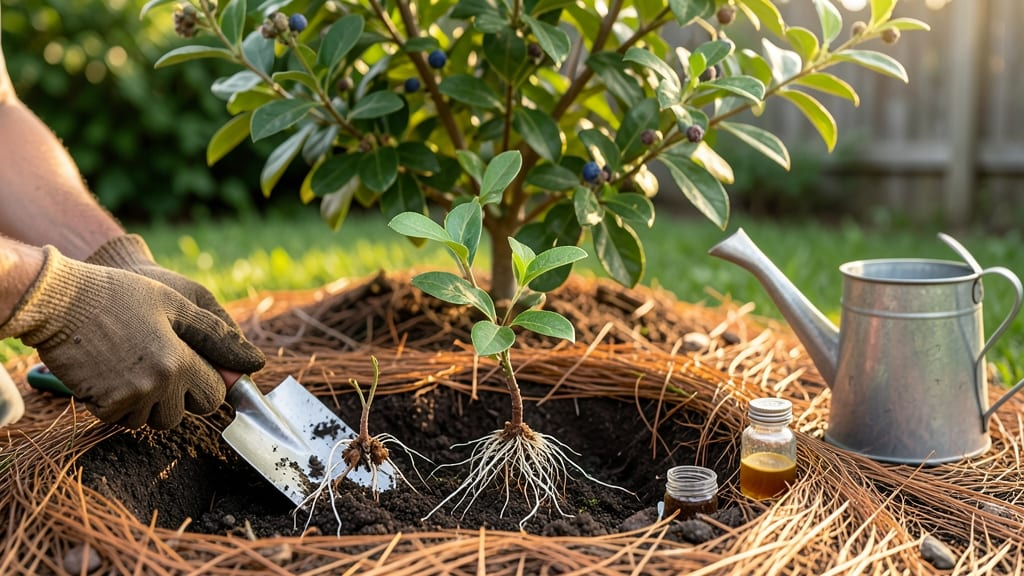
Timing your blueberry planting in Kansas isn't just about the calendar—it's about matching your 🫐 bushes to the region's chill hours and frost patterns.
Plant too early, and winter's harsh winds could stress young roots; too late, and you might miss the critical window for root establishment before summer heat hits.
Kansas gardeners in zones 5b-6b face unique challenges, from late spring frosts to summer droughts that can derail even the hardiest plants. The key isn't just picking a month—it's choosing the right variety for your specific microclimate and preparing your soil to mimic the acidic conditions these shrubs crave.
I'll walk you through the exact planting windows that work best in Kansas, whether you're dealing with eastern humidity or western dry spells. You'll discover how to time your planting for maximum root growth before winter dormancy and avoid common mistakes that lead to stunted bushes or poor harvests.
From container growing hacks for small spaces to soil prep secrets for acidic conditions, this guide gives you the best start for your Kansas blueberries—so you can enjoy that first harvest of juicy, homegrown berries by mid-summer.
Kansas chill-hour zones: how to match blueberry varieties for success
Kansas spans USDA Hardiness Zones 5b through 7a, creating distinct chill-hour requirements for blueberries. Chill hours—the number of hours below 45°F (7°C)—determine which varieties thrive in your area. Northern Kansas (Zone 5b) needs 1,000+ chill hours, while southern Kansas (Zone 6b-7a) can handle 500-800 chill hours.
Mismatch your variety, and you risk poor fruit set or no harvest at all.
For example, northern highbush varieties like 'Bluecrop' or 'Jersey' require 900-1,000 chill hours, perfect for Wichita or Topeka.
In contrast, southern highbush varieties like 'Climax' or 'Premier' thrive with 300-500 chill hours, ideal for Garden City or Hays. Half-high varieties (e.g., 'Top Hat') bridge the gap with 600-800 chill hours, making them versatile for most of Kansas.
To find your chill-hour zone, check the Kansas State University Mesonet or use the USDA Plant Hardiness Zone Map.
Enter your ZIP code, and the map will show your exact zone. Pro tip: If you’re near a large body of water or in a microclimate (like a valley), your chill hours may differ from the general zone.
For instance, Kansas City’s urban heat island can reduce chill hours by 50-100 hours compared to rural areas.
Here’s how to avoid common mistakes: Never plant rabbiteye varieties (e.g., 'Powderblue') in Kansas—they need 500+ chill hours and warm winters, which most of the state doesn’t provide. Instead, stick to northern or southern highbush types.
Also, avoid late-summer planting; blueberries need 4-6 weeks of root establishment before winter dormancy. If you miss the spring window, wait until fall (September-October), but ensure temps stay above 40°F (4°C) for root growth.
| Kansas Region | USDA Zone | Chill Hours | Best Varieties | Mature Height |
|---|---|---|---|---|
| Northern (e.g., Salina, Hays) | 5b-6a | 900-1,000+ | Bluecrop, Jersey, Patriot | 6-12 ft |
| Central (e.g., Topeka, Manhattan) | 6a-6b | 700-900 | Duke, Legacy, Top Hat | 5-8 ft |
| Southern (e.g., Wichita, Garden City) | 6b-7a | 500-700 | Climax, Premier, Reveille | 4-6 ft |
🌱 Variety Matching Tip: Mix 2-3 varieties for cross-pollination and better yields!
If you’re unsure about your chill hours, contact your local Cooperative Extension office—they can provide data for your specific area. For example, Kansas State Research and Extension offers free soil and climate reports. Test your soil’s pH too; blueberries need acidic soil (4.5-5.5).
If your soil is alkaline, amend it with peat moss or sulfur before planting. Never plant in alkaline soil—it’s a common mistake that leads to yellow leaves and poor growth.
For container growing in Kansas, choose dwarf varieties like 'Top Hat' or 'Peach Sorbet'. Containers help control soil acidity and protect roots from temperature swings.
Use a well-draining, acidic potting mix and place pots in full sun. Watering containers requires more frequency—check soil moisture daily in summer. Pro tip: Move containers to a sheltered spot in winter to avoid frost damage.
Finally, avoid planting blueberries near walnut trees—their roots release juglone, a toxin that stunts blueberry growth.
Instead, pair them with companion plants like comfrey, thyme, or ferns, which improve soil health without competition. Mulch heavily with pine needles or wood chips to maintain soil acidity and retain moisture.
With the right variety and chill-hour match, your Kansas blueberries will thrive year after year. Start by identifying your zone, then choose your cultivars carefully—your future harvests depend on it! 🫐
Best planting months in Kansas: a month-by-month timeline for blueberries
Timing your blueberry planting in Kansas depends on whether you're working with bare-root plants or container-grown bushes. Both have ideal windows, but the key is avoiding late frosts while giving roots time to establish before winter. Let's break down the best months for each region and planting method.
For eastern Kansas (USDA Zone 6a-6b), aim for late March to early April—this gives plants 8-10 weeks to root before winter dormancy. In western Kansas (Zone 5b-6a), plant 2-3 weeks earlier (mid-March) to escape earlier frosts. Container-grown blueberries offer more flexibility and can be planted through May.
Here’s your month-by-month planting timeline for Kansas blueberries, including soil prep and care tips for each stage:
Plant bare-root blueberries in late February if using dwarf varieties. Amend soil with peat moss to lower pH to 4.5-5.5. Mulch heavily with pine straw to protect roots.
Ideal time for bare-root planting in eastern Kansas. Soak roots in water for 2-3 hours before planting. Space bushes 4-6 feet apart for airflow.
Best month for container-grown blueberries. Plant after last frost date (typically mid-April). Water deeply every 5-7 days to encourage root growth.
Last chance for container planting. Avoid planting bare-root bushes after May—they won’t establish roots before winter. Use acid-loving fertilizer to boost growth.
Only plant container-grown bushes in fall. Choose early-maturing varieties like ‘Duke’ or ‘Premier’. Water deeply before first frost to prevent root stress.
Spring planting is preferred in Kansas because it aligns with natural rainfall patterns and gives bushes time to harden off before winter. However, fall planting works if you use 1-gallon containers and protect plants with burlap wraps during cold snaps.
Pro tip: Test your soil’s pH level before planting—Kansas’s native soil is often alkaline, and blueberries require acidic soil. Amend with sulfur or peat moss 4-6 weeks before planting to adjust pH. If your soil tests above 6.0, you’ll need to repeatedly amend over time.
Remember, container growing extends your planting window and is ideal for urban Kansas gardeners. Just ensure pots have drainage holes and use a well-draining, acidic mix. With the right timing and care, your blueberries will thrive even in Kansas’s variable climate! 🌱