
Trees
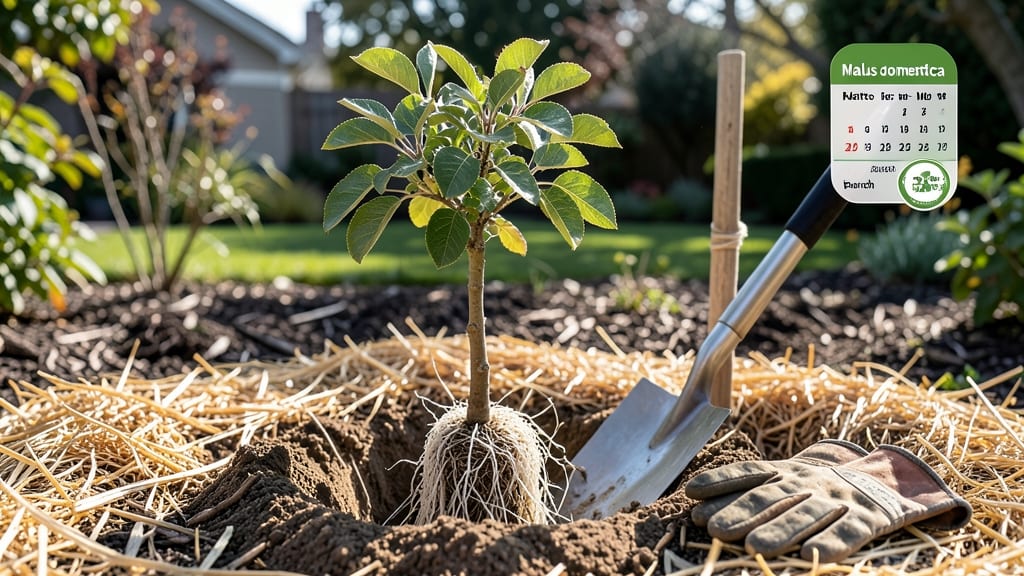
Planting your 🍎 apple tree in Massachusetts isn’t just about grabbing a shovel in spring—it’s about matching your variety to the state’s chill-hour zones for that perfect harvest.
Whether you’re in Boston’s coastal zone or the Berkshires’ cooler hills, getting the timing right means the difference between a tree that thrives and one that struggles to produce fruit.
Most gardeners know early spring or fall are ideal, but did you know some apple varieties need 800+ chill hours to set fruit properly? Without this, your tree might bloom but never bear apples—or worse, drop them early.
I’ll break down exactly how to align your planting with Massachusetts’ unique climate, so you’re not left guessing when to dig.
From soil prep to frost dates, we’ll cover the critical steps that make or break your apple tree’s success. Whether you’re planting a dwarf Honeycrisp or a standard McIntosh, these insights will help you avoid common mistakes and get the best yields from your orchard.
Ready to grow apples that taste like summer all year? Let’s dive into the best planting windows and care tips tailored just for Massachusetts gardeners—so you can enjoy fresh-picked fruit for decades to come.
Massachusetts chill-hour zones: how climate affects apple tree planting timing
Massachusetts’ climate isn’t one-size-fits-all—its three distinct chill-hour zones (400-800, 800-1200, and 1200+ hours) dictate which apple varieties thrive where. These chill hours (accumulated temps below 45°F) trigger blossoming, and mismatching varieties to your zone can mean no fruit or poor yields.
For example, Honeycrisp (800+ chill hours) struggles in Zone 5b (western MA), while McIntosh (400-600 hours) excels in Zone 6a (coastal areas).
Understanding your zone helps you choose low-chill varieties like Liberty (400 hours) for Boston’s Zone 6b or high-chill Fuji (1200+ hours) for the Berkshires’ Zone 5a. Even a 100-mile drive in MA can shift you from Zone 5b to Zone 7a, so local knowledge is key.
The USDA Hardiness Zone Map is a starting point, but chill hours tell the real story.
Here’s how the zones break down across MA, with planting windows tailored to each:
| Zone | Chill Hours | Regions | Best Varieties | Planting Window |
|---|---|---|---|---|
| 5a-5b | 1200+ | Berkshires, Pioneer Valley | Fuji, Gala, Cortland | Early Spring (March-April) or Late Fall (Oct-Nov) |
| 6a | 800-1200 | Central MA, Worcester | Honeycrisp, McIntosh, Jonathan | Early Spring (March-April) or Early Fall (Sept-Oct) |
| 6b-7a | 400-800 | Boston, Cape Cod, Coastal | Liberty, Zestar!, GoldRush | Early Spring (April) or Late Fall (Nov) |
For Zone 5a-5b (western MA), late-winter planting (March) works because the ground thaws earlier, but fall planting (October-November) gives roots time to establish before winter. In Zone 6b-7a (coastal), April planting avoids late frosts, while November is risky due to early freezes.
Always check your last frost date—Boston’s is mid-April, but the Berkshires can see frost into early May.
Pro tip: Use the Massachusetts Horticultural Society’s chill-hour calculator to cross-check varieties. For instance, Honeycrisp needs 900+ chill hours, so it’s a gamble in Zone 6b unless you’re near the coast. Liberty, however, thrives with just 400 hours, making it perfect for Cape Cod’s Zone 7a.
Local nurseries like Wayne’s World of Trees (Weston) stock region-specific varieties—ask for low-chill options if you’re in Zone 6b+.
Soil temperature matters too. Roots need 40°F+ soil to grow, so March planting in Zone 5a might mean waiting for mid-April if the ground stays cold. Use a soil thermometer to confirm—bare-root trees planted in frozen ground won’t thrive.
In Zone 7a, you can plant as late as November, but avoid December when roots can’t establish before winter.
Don’t overlook microclimates. A south-facing slope in Zone 6a might add 100+ chill hours compared to a north-facing yard. If you’re unsure, plant a test tree like Liberty—it’s forgiving and reveals your true chill hours.
For urban gardeners, dwarf varieties (like GoldRush) adapt better to heat islands in cities like Boston.
Remember: Chill hours ≠ hardiness. A tree can survive Zone 5a winters but still fail to fruit if it doesn’t get enough chill. Always pair your USDA zone with chill-hour requirements—it’s the secret to consistent harvests in MA.
Next, we’ll match these zones to planting months for your favorite varieties.
🍎
Best planting months by apple variety: chill-hour matching calendar
Choosing the right planting month for your apple tree in Massachusetts depends entirely on the chill-hour requirements of your variety. Most standard apple trees need between 800-1,200 chill hours, while low-chill varieties like Honeycrisp thrive with just 400-600 hours.
Let’s break down the best planting windows for MA’s top varieties.
For early-spring planting (March-April), soil temperatures should reach at least 40°F—critical for root establishment. This window works best for bare-root trees and dwarf varieties like Macoun or Cortland, which need less time to establish before summer heat arrives.
Fall planting (October-November) gives roots time to grow before winter dormancy. This is ideal for standard-sized trees like McIntosh or Fuji, which require deeper root systems to handle MA’s rocky, well-drained soil. Plant at least 6 weeks before first frost—typically by October 15 in most regions.
| Variety | Chill Hours Needed | Best Planting Window | Soil Temp Requirement |
|---|---|---|---|
| McIntosh | 800-1,000 | March-April or October | 40°F+ |
| Honeycrisp | 400-600 | April or September | 45°F+ |
| Fuji | 1,000-1,200 | March or October | 40°F+ |
| Gala | 600-800 | April or September | 45°F+ |
| Cortland | 700-900 | March or October | 40°F+ |
If you’re planting in late spring (May), opt for container-grown trees to minimize transplant shock. These adapt better to warmer soil and can still establish roots before summer heat peaks. Just ensure they’re well-watered and mulched to retain moisture.
For fall planting, prioritize well-draining soil—MA’s clay-heavy areas (like Worcester) need amendments like compost or sand to prevent root rot. Water deeply after planting to help roots settle before winter dormancy begins.
Pro tip: Check your local chill-hour zone (most of MA falls in Zone 5b-7a) and match it to your apple variety. For example, Honeycrisp thrives in Zone 5b, while Fuji needs Zone 6a or higher. Always verify with your local nursery for region-specific advice.