
Trees
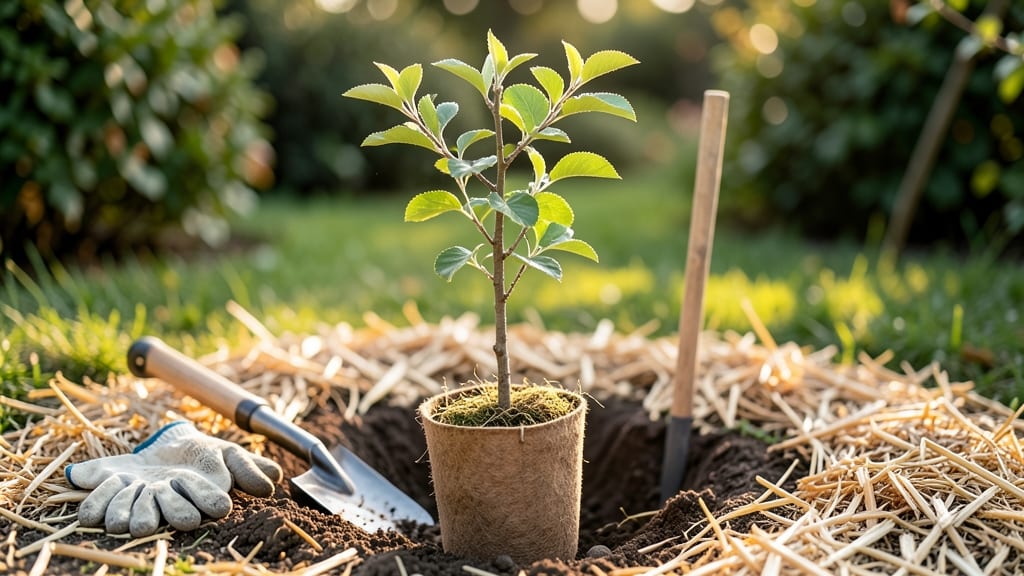
Timing your 🍎 apple tree planting in Indiana could mean the difference between a thriving orchard and a sad, stunted tree. The state’s 5b-6b climate demands precision—plant too early, and frost will nip your young roots; too late, and your tree won’t establish before winter.
Most gardeners swear by late winter to early spring (February–April) for bare-root trees, when the soil is workable but the risk of frost has passed. But fall (September–October) is actually the sweet spot for container-grown trees, giving roots time to settle before dormancy.
The key? Matching your variety’s chill-hour needs to Indiana’s unpredictable swings.
Why does this matter? Because skipping these windows can leave your 🍎 apple tree vulnerable to disease, poor growth, or—worst of all—no fruit.
I’ll break down the exact months to plant based on your local microclimate, plus the top varieties that thrive in Indiana’s soil and how to prep it for success.
Ready to avoid the common mistakes that kill apple trees before they even bear fruit? Let’s get your orchard off to the right start—Indiana-style.
Best planting months in Indiana based on chill-hour requirements
Indiana’s USDA Zones 5b-6b create a unique challenge for apple growers—chill-hour needs (300–1,000+) determine when to plant. Most varieties require 500–800 chill hours to produce fruit, and Indiana’s climate delivers this reliably.
The ideal planting window is either late winter to early spring (February–April) or fall (September–October), but timing depends on your apple variety.
Spring planting (March–April) works best for bare-root trees while they’re dormant. This gives roots time to establish before summer heat stress. Fall planting (September–October) suits container-grown trees and extends root growth into early winter.
Both methods avoid Indiana’s late spring frosts (common until April 15), which can damage new growth.
Here’s how chill-hour needs impact planting: Varieties like Honeycrisp (600–800 hours) thrive when planted in early spring to ensure they meet chill requirements before blooming. Fuji (800–1,000 hours) benefits from fall planting to maximize winter chill exposure. Jonathan (400–600 hours) is more flexible but still prefers spring planting in northern Indiana (Zone 5b).
Soil temperature is another critical factor—roots need 40–50°F soil to establish. In Indiana, this typically occurs by mid-April in southern regions (Zone 6b) but may wait until late April in northern areas (Zone 5b). Use a soil thermometer to confirm before planting.
Pro tip: Bare-root trees planted in spring should go into the ground within 24–48 hours of purchase to prevent root desiccation. For fall planting, choose container-grown trees with established root systems to avoid transplant shock during winter dormancy.
🌱
| Variety | Chill Hours Needed | Best Planting Window | Indiana Zone Fit |
|---|---|---|---|
| Honeycrisp | 600–800 | Early spring (March–April) | 5b–6b |
| Fuji | 800–1,000 | Fall (September–October) | 6a–6b |
| Jonathan | 400–600 | Late winter (Feb–March) | 5b–6a |
| Zestar! | 300–500 | Early spring or fall | 5b–6b |
| Cortland | 700–900 | Fall (September) | 6a–6b |
Northern Indiana (Zone 5b) experiences earlier frosts and shorter growing seasons, so prioritize early-spring planting for varieties like Jonathan or Zestar!. Southern Indiana (Zone 6b) can handle fall planting for high-chill varieties like Fuji or Cortland, as the first frost often arrives after October 15.
Always check your local frost dates—Indiana’s microclimates vary by 1–2 weeks. For example, Evansville (Zone 6b) may have 2 extra frost-free weeks compared to Gary (Zone 5b). Use the National Weather Service or Old Farmer’s Almanac to plan accordingly.
If you’re unsure about chill hours, opt for Indiana-native rootstocks like Antonovka or Grimes Golden, which are bred to thrive in the state’s climate. These rootstocks also improve disease resistance and adaptability to Indiana’s limestone-heavy soils.
🌿
Best planting months in Indiana based on chill-hour requirements
Indiana’s USDA Zones 5b-6b demand careful timing for apple trees, where chill-hour needs (300–1,000+) determine success. Planting in late winter to early spring (February–April) or fall (September–October) aligns with dormancy cycles, but varieties like Honeycrisp (600+ chill hours) need earlier planting than Fuji (800+ chill hours).
Spring planting (March–April) works best for bare-root trees, letting roots establish before summer heat. Fall planting (September–October) suits container-grown trees, giving roots time to anchor before frost. Avoid planting in late spring—late frosts (common in April) can damage new growth.
🌱
| Planting Window | Chill-Hour Range | Best Varieties | Indiana Zone Fit |
|---|---|---|---|
| Late Winter (Feb) | 300–500 | Zestar!, Haralson | 5b–6a |
| Spring (Mar–Apr) | 500–800 | Honeycrisp, Jonathan | 6a–6b |
| Fall (Sep–Oct) | 800–1,000+ | Fuji, Cortland | All zones |
For bare-root trees, plant immediately after purchase—roots dry out quickly. Container-grown trees can wait until spring or fall, but avoid transplanting when soil is frozen or waterlogged. Indiana’s limestone-heavy soil benefits from a 2-inch compost layer before planting to improve drainage.
Timing also depends on your last frost date—aim to plant 4–6 weeks before the average last frost (typically April 15 in most of Indiana). Use a frost calendar for your county to adjust timing locally.
🌡️
If you miss the ideal window, fall planting (September) is the next best option. Trees planted in fall establish roots before winter, giving them a head start in spring. Just ensure the ground isn’t frozen—use a soil thermometer to check (ideal temp: 40–50°F).