
Trees
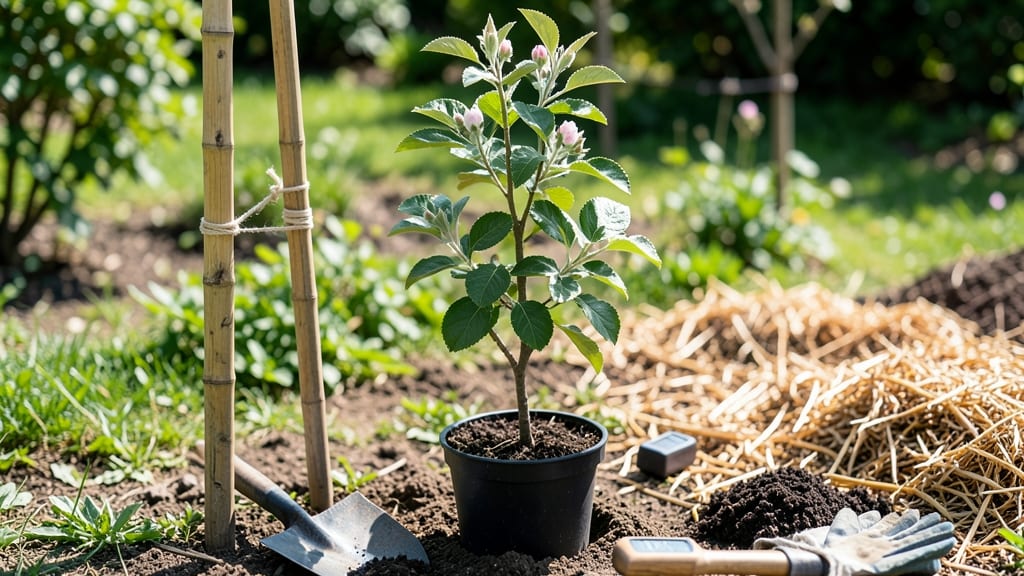
Timing your 🍎 apple tree planting in Connecticut isn’t just about picking a month—it’s about giving your tree the best chance to establish strong roots before Connecticut’s unpredictable frosts strike.
Plant too early, and you risk exposing delicate roots to cold soil; too late, and your tree might struggle to grow before winter sets in.
Most gardeners in USDA Zone 6a swear by late April through early June as the sweet spot, when soil temperatures rise above 40°F and the threat of frost has passed.
But here’s the catch: whether you’re planting bare-root saplings or container-grown trees, the approach changes—and so do the challenges, from rocky Connecticut soil to late spring freezes.
I’ve seen firsthand how a well-timed planting can mean the difference between a thriving orchard and a tree that fights to survive.
In this guide, I’ll break down the exact windows for your zone, soil prep secrets, and how to pick the right varieties—like Liberty or Honeycrisp—that actually thrive in Connecticut’s climate.
Ready to plant with confidence? Let’s get your 🍎 apple tree off to the right start—no guesswork, just proven strategies for Connecticut’s unique growing conditions.
Best months to plant apple trees in Connecticut’s climate zones 5-6
Connecticut’s USDA Zones 5-6 create a narrow window for planting apple trees, but timing can make all the difference between a thriving orchard and a struggling sapling. The ideal months are late April through early June—after the last frost—when soil temperatures hover around 50°F (10°C).
This gives roots time to establish before summer heat sets in.
For bare-root trees, early spring planting (March-April) is best, as roots can absorb moisture before the ground dries out. Container-grown trees, however, offer more flexibility and can be planted until early June, even if slightly later than bare-root varieties.
This flexibility is a game-changer for CT gardeners dealing with unpredictable spring weather.
If you’re considering fall planting, aim for late September to early October—but only in Zone 6b areas like Fairfield or New Haven counties. In colder Zone 5a regions (e.g., Litchfield Hills), fall planting risks exposing roots to early frosts, so spring is the safer bet.
Soil temperature is your best indicator of readiness. Use a soil thermometer to confirm it’s above 45°F (7°C) at a depth of 4 inches. In CT, coastal areas (like Groton) may warm up faster than inland valleys (like Hartford), so adjust your timeline accordingly.
Now, let’s break down the optimal planting windows by CT zone and tree type for a clear, actionable plan:
| Zone & Location | Best Planting Window | Tree Type | Key Consideration |
|---|---|---|---|
| Zone 5a (Litchfield Hills, Torrington) | Late April - Early May | Bare-root | Late frosts common; avoid fall planting |
| Zone 5b (Hartford, Waterbury) | Late April - Early June | Bare-root or container | Flexible window; monitor soil temps |
| Zone 6a (New Haven, Bridgeport) | Mid-April - Late June | Container (best) or bare-root | Fall planting possible in late Sept |
| Zone 6b (Fairfield, Stamford) | Early April - Early July | Container (year-round) or bare-root | Longest window; ideal for coastal areas |
Pro tip: Container-grown trees are my top recommendation for CT gardeners because they let you plant anytime the ground isn’t frozen.
This flexibility is especially useful if you’re dealing with urban heat islands (like in Hartford) or coastal breezes (like in New London), where microclimates can shift planting windows by weeks.
One common mistake I see is planting too early in Zone 5a areas. If you plant in March, roots may awaken too soon and get damaged by late frosts. Always check your local CT Agricultural Experiment Station frost maps—they’re a lifesaver for pinpointing your exact last-frost date.
For dwarf varieties (like Liberty or Honeycrisp), timing is slightly less critical, but you’ll still want to avoid extreme heat (July-August) when transplant shock is more likely.
These compact trees are perfect for small CT yards and can even be planted in large containers near south-facing walls for extra warmth.
Remember: Root establishment is your priority. A tree planted in May with a strong root system will outperform one planted in March that struggles through a cold snap. Prioritize soil prep (we’ll cover this in the next section!) and give your apple tree the best possible start.
Best months to plant apple trees in Connecticut’s climate zones 5-6
Connecticut’s USDA zones 5-6 give you a 6-week planting window for apple trees, but timing varies by tree type and your specific microclimate. Bare-root trees thrive when planted in early spring (late April) before buds swell, while container-grown trees offer flexibility for spring (May) or fall (October) planting.
The key is avoiding frost risks and ensuring soil temperatures stay above 40°F (4°C).
In Zone 5a (cooler inland areas), aim for late April to early May—this gives roots time to establish before summer heat. Zone 6a/b (southern CT) can extend planting until early June, but avoid July-August when summer stress slows root growth. Fall planting (late September-October) works only for container-grown trees, as bare-root trees need 6-8 weeks to harden off before winter.
Soil temperature is your best indicator. Use a soil thermometer—roots won’t grow well below 45°F (7°C). In western CT (drier zones), plant 2 weeks earlier to avoid drought stress, while coastal areas (like New London) can wait until mid-May due to milder springs.
Pro tip: Mulch heavily after planting to regulate soil temps and retain moisture.
| Zone & Location | Best Planting Window | Tree Type | Soil Temp Requirement |
|---|---|---|---|
| Zone 5a (Northeast CT) | Late April–Early May | Bare-root only | ≥45°F (7°C) |
| Zone 5b (Central CT) | Early–Mid May | Bare-root or container | ≥40°F (4°C) |
| Zone 6a/b (Southern CT) | Mid May–Early June | Container-grown preferred | ≥45°F (7°C) |
| Coastal CT (New London) | Mid–Late May | Container-grown (fall OK) | ≥50°F (10°C) |
For container-grown trees, fall planting (late September-October) is ideal in Zone 6a/b if you’re in southern CT. Roots establish before winter, and the tree enters dormancy naturally.
However, avoid planting in November—roots won’t harden off in time for Connecticut’s first frost (mid-October). If you miss spring, your only safe window is late September.
Local apple tree varieties like ‘Liberty’ or ‘Honeycrisp’ perform best when planted in early spring, as they need 60-90 days of warm soil to establish strong root systems. Dwarf varieties (like ‘Columnar’ types) adapt better to fall planting due to their smaller root balls.
Always check the nursery’s planting instructions—some CT-grown trees are pre-treated for early spring shipping.
Remember: Late frosts (common in May) can damage new shoots, so monitor your local CT weather forecasts. If frost is predicted, cover young trees with frost cloth until roots are 6 inches deep.
Planting at the right time isn’t just about the calendar—it’s about giving your apple tree a head start against Connecticut’s unpredictable springs.