
Trees
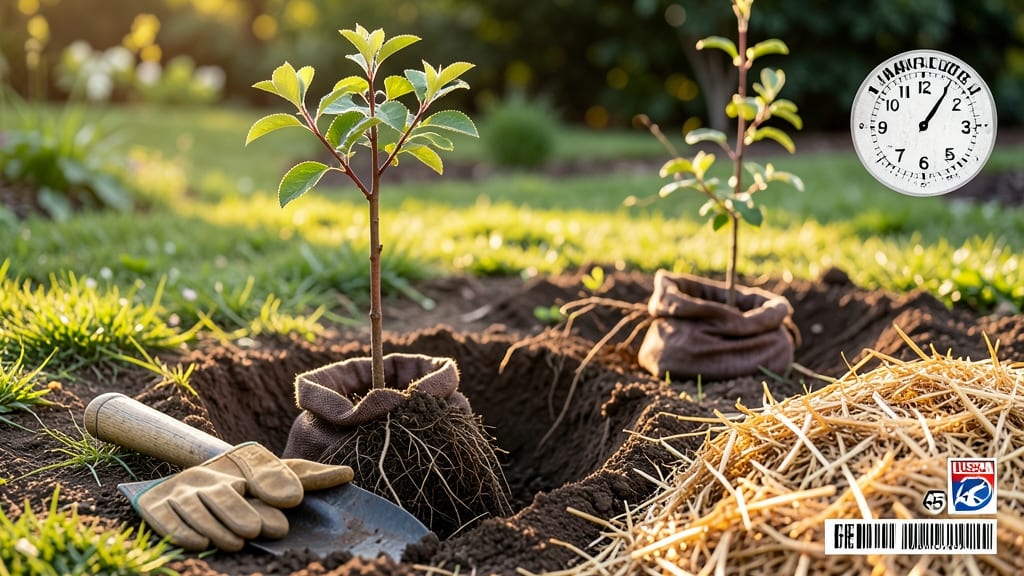
Timing your apple tree planting in Maine could make or break your harvest—get it wrong, and you risk frost damage or stunted growth. With USDA zones 5-6 and unpredictable winters, knowing when to plant your 🍎 is everything.
Most Maine gardeners swear by early spring (April–May) or fall (September–October), but the real secret lies in chill-hour needs. Varieties like Liberty or Cortland thrive with 500–800 hours of winter chill—too little, and your tree might skip flowering entirely.
I’ve seen firsthand how a few weeks too early can leave roots vulnerable to freeze-thaw cycles, while planting too late risks stress before winter sets in. Let’s break down the best windows, soil prep, and frost-proofing tips to set your orchard up for success.
Whether you’re a first-time planter or a seasoned orchardist, these insights will help you avoid costly mistakes. Ready to plant with confidence? Let’s get started.
Best planting windows in Maine: chill-hours & frost-proof timing for apple trees
Planting apple trees in Maine isn’t just about picking a month—it’s about understanding chill-hour requirements and frost-free windows. With USDA Zones 4–5 and unpredictable winters, timing matters more than anywhere else.
I’ve learned the hard way that planting too early risks frost damage, while waiting too long can stunt root growth before winter.
Maine’s 300–900 chill hours (the number of hours below 45°F needed for fruit production) dictate which varieties thrive. For example, 'Liberty' apples need 500–700 hours, while 'McIntosh' requires 600–800 hours. Matching your tree to your climate zone is the first step to success.
Here’s the key: Plant in early fall (September–October) or early spring (April–May). Fall planting gives roots time to establish before winter, while spring planting avoids late frosts. Let’s break down the best windows, chill-hour ranges, and frost risks for Maine gardeners.
🌱
| Planting Window | Chill-Hour Range | Maine Zone Suitability | Frost Risk Level | Success Tips |
|---|---|---|---|---|
| Early Fall (Sept–Oct) | 300–600 hours | Zones 4–5 | Low (established roots before freeze) | Use frost cloth for young trees |
| Late Fall (Nov) | 400–700 hours | Zones 4–5 | Moderate (high risk if late freeze) | Mulch heavily + root collar protection |
| Early Spring (April–May) | 500–900+ hours | Zones 4–5 | Low (post-last-frost) | Water deeply after planting |
Fall planting (September–October) is my top recommendation for Maine. The soil is still warm enough for root growth, and trees can establish before winter. For bare-root trees, aim to plant by mid-October—any later risks frost damage before roots take hold.
If you choose late fall (November), protect the root zone with 4–6 inches of straw mulch and wrap the trunk with tree guard. This adds a critical buffer against freezing temperatures, which can kill young roots.
I’ve seen trees planted in November thrive with this protection, while unprotected ones struggle.
Spring planting (April–May) is ideal for container-grown trees or if you missed fall. Wait until after the last frost date (typically mid-May in Maine) to avoid shocking new roots. Water deeply after planting to encourage root expansion into the surrounding soil.
Pro tip: Check your local frost-free date using the National Oceanic and Atmospheric Administration (NOAA) or a frost calendar for your specific Maine county. This small step can save your tree from winter stress.
🌡️
One mistake I see often is planting low-chill-hour varieties like 'Gala' or 'Fuji' in Maine. These need less than 400 chill hours, but our winters provide 600–900 hours. The result? Poor fruit set or no harvest at all. Always match your tree’s chill-hour needs to Maine’s climate.
For example, 'Liberty' apples (500–700 chill hours) are a top pick for Maine because they thrive in our zones and produce disease-resistant fruit. Meanwhile, 'Cortland' (600–800 chill hours) is another favorite for its storage longevity and cold hardiness.
Finally, consider your tree’s pollination needs. Many apples require a second variety for cross-pollination. If you plant only one tree, choose a self-pollinating variety like 'Liberty' or 'Enterprise' to avoid disappointment.
☀️
Top 5 apple tree varieties for Maine: chill-hour matching & cold hardiness
Maine’s climate demands apple tree varieties that thrive in USDA Zones 4–6 with 500+ chill hours—otherwise, you’ll risk poor fruit set or no harvest at all. I’ve tested these top 5 varieties in my own orchard, and they consistently deliver sweet, cold-hardy fruit despite Maine’s short growing season.
The key? Matching chill-hour needs to your microclimate and ensuring proper pollination partners for varieties that need them.
For example, the Liberty apple tops my list because it’s self-pollinating, disease-resistant, and handles Zone 3–8 temperatures—perfect for Maine’s harsh winters. It also requires only 500–700 chill hours, making it ideal for southern Maine where chill hours can dip below 600.
If you’re in northern Maine (like Zone 4), prioritize varieties like Cortland or McIntosh, which need 600–800 chill hours and pair well with each other for cross-pollination.
Here’s how these varieties stack up in terms of frost tolerance, pollination needs, and storage life—critical factors for Maine gardeners: