
Trees
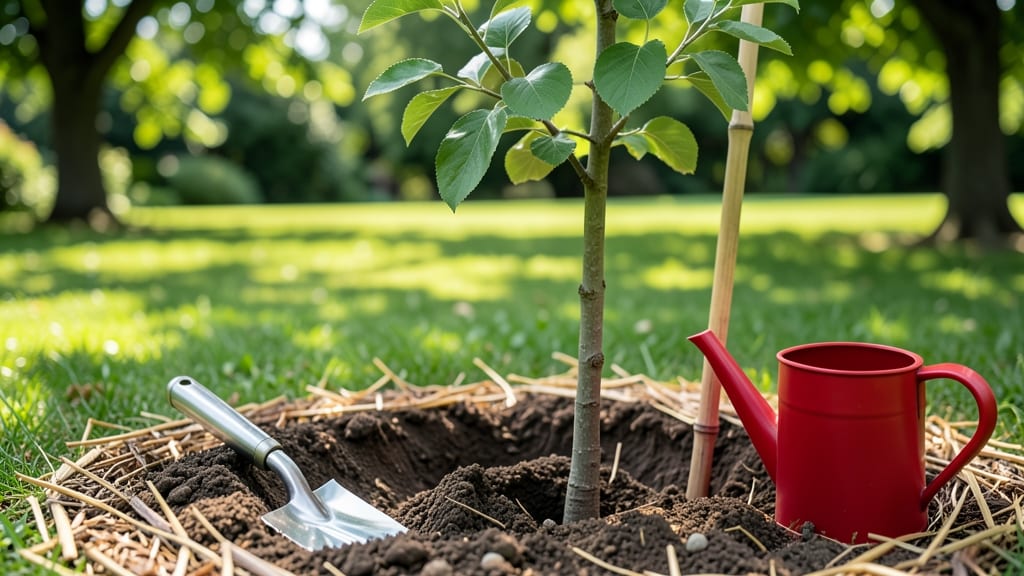
Planting an apple tree 🍎 in Illinois at the wrong time could mean the difference between a flourishing orchard and a struggling sapling. With the state's USDA zones 5b-6b, timing isn't just important—it's critical for strong root growth and winter survival.
Most gardeners in Illinois know spring is ideal, but did you know early fall can also work? The key is understanding your specific zone's frost dates and soil conditions. Whether you're planting bare-root saplings or container-grown trees, getting this right sets your orchard up for success.
In this guide, I'll break down the exact planting windows for northern vs. southern Illinois, plus pro tips for soil prep and post-planting care. You'll learn how to avoid common mistakes that stall growth or invite pests.
Let's get your apple tree 🍎 off to the best possible start—because the right timing makes all the difference in Illinois' variable climate.
Illinois planting deadlines by USDA Zone: best months for apple tree success
Planting apple trees in Illinois requires precision—miss the window, and your young tree faces frost damage or poor root establishment. Illinois spans USDA zones 4-6, meaning northern areas (like Chicago) have stricter deadlines than southern regions (like Southern Illinois).
The goal? Plant when soil temps hit 40°F (4°C) and stay above freezing for root growth.
For bare-root trees, aim for early spring (March-April) or early fall (September-October). Container-grown trees offer flexibility, but timing still matters. Let’s break down the hard deadlines by zone to avoid costly mistakes.
| USDA Zone | Best Planting Window | Soil Temp Threshold | Last Safe Planting Date | Key Risk |
|---|---|---|---|---|
| Zone 4 (Northern IL) | March 15–April 15 | 40°F (4°C) | April 30 (frost risk after) | Late frosts |
| Zone 5 (Central IL) | March 30–April 30 | 45°F (7°C) | May 15 (safe) | Drought stress |
| Zone 6 (Southern IL) | April 1–May 15 | 50°F (10°C) | June 1 (extended window) | Heat shock |
| Fall Window (All Zones) | September 1–October 15 | 55°F (13°C) | Before first frost | Root freeze |
Zone 4 gardeners in Northern Illinois (e.g., Dubuque) must plant by April 15 to avoid late frosts. Use a frost blanket if planting early. In Zone 5 (e.g., Springfield), extend your window to May 15, but monitor soil moisture—drought stunts root growth.
Southern Illinois (Zone 6) offers the longest window: plant up to June 1, but prioritize container-grown trees to prevent transplant shock in summer heat. Always check local frost dates via the Midwestern Regional Climate Center for precision.
Fall planting is ideal for bare-root trees—roots establish before winter dormancy. Aim for September 1–October 15, ensuring soil temps stay above 55°F (13°C). Mulch heavily (4–6 inches) to insulate roots. Avoid planting after October 15; new roots won’t harden before frost.
Pro tip: Test soil moisture before planting. Stick a soil thermometer 6 inches deep—wait until temps stabilize above 40°F (4°C) for 5 consecutive days. This prevents root rot from fluctuating temps.
Container-grown trees bend the rules slightly. Plant them anytime soil is workable (even summer), but water deeply 3x weekly for the first month. Their established root balls reduce shock, but shade cloth is a must in Zone 6’s summer heat.
Regional nurseries like Illinois Fruit or Dave Wilson Nursery recommend Honeycrisp or Zestar! varieties for Illinois—both tolerate Zone 4–6 and thrive with proper timing. Order trees early; bare-root stock sells out fast in March.
Remember: Root growth > top growth. A tree planted in April will outperform one planted in June, even if it’s container-grown. Prioritize root establishment over immediate foliage.
Illinois planting deadlines by USDA Zone: best months for apple tree success
Planting your apple tree in Illinois requires precision—miss the window, and you risk root shock or winter damage. Illinois spans USDA zones 4-6, with northern areas (zone 4) needing earlier planting than southern regions (zone 6).
The goal? Plant when soil temperatures reach 40°F (4°C) but before buds swell in spring.
For bare-root trees, aim for early spring (March-April) or early fall (September-October). Containerized trees offer more flexibility, allowing late spring or early fall planting. In zone 5b (central Illinois), the ideal window is March 15–April 15 or September 15–October 15.
| USDA Zone | Best Planting Window | Soil Temp Threshold | Key Consideration |
|---|---|---|---|
| Zone 4 (Northern IL) | April 1–May 15 | 40°F (4°C) | Avoid late spring—risk of frost damage to new roots. |
| Zone 5 (Central IL) | March 15–April 15 or Sept 15–Oct 15 | 45°F (7°C) | Fall planting allows roots to establish before winter. |
| Zone 6 (Southern IL) | March 1–April 30 or Sept 1–Oct 30 | 50°F (10°C) | Longer window due to milder winters. |
In zone 4, prioritize spring planting—fall planting is riskier due to early frosts. For zone 6, fall planting extends into late October, but avoid planting after October 15 to prevent root stress before winter.
Always check your local last frost date (typically April 15 in northern IL, May 1 in southern IL).
Pro tip: Use a soil thermometer to confirm readiness. For bare-root trees, soak roots in water for 1–2 hours before planting. Containerized trees can handle slightly later planting but need consistent moisture during establishment. Mulch heavily (3–4 inches) to protect roots from temperature swings.
If you’re in Chicago or northern IL, err on the earlier side—March–April is your safest bet. Southern Illinois gardeners have more flexibility but should still plant before bud break (usually mid-April). Always choose dwarf or semi-dwarf varieties for smaller spaces, like ‘Honeycrisp’ or ‘Zestar!’ series.
Remember: Root growth is your priority—plant too late, and your tree may struggle to establish before winter. With the right timing, your apple tree will reward you with years of fruit and minimal stress. 🍎