
Plants
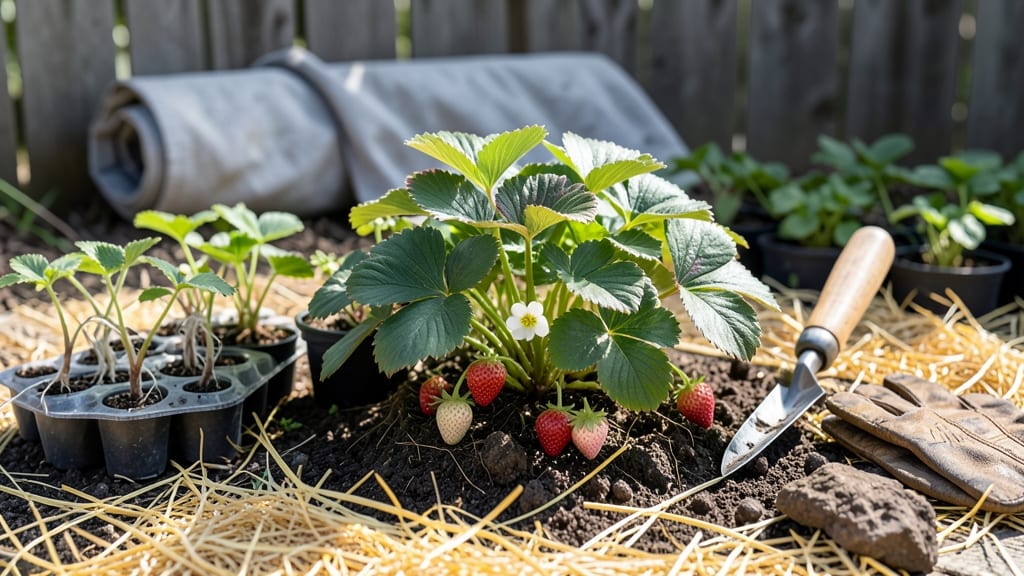
Planting strawberries in Kentucky at the wrong time can trigger early flowering—known as bolting—and leave you with bitter, underdeveloped fruit instead of sweet, juicy 🍓. If you’ve ever watched your strawberry plants send up flowers before they’re ready, you know how frustrating (and costly) this can be.
Here’s the good news: Kentucky’s climate gives you two perfect windows to plant strawberries—early spring or early fall—when chill hours align just right to prevent bolting. Whether you’re in Northern Kentucky’s cooler Zone 6a or Southern Kentucky’s milder Zone 7a, timing is everything.
In this guide, I’ll break down exactly when to plant strawberries in Kentucky, how to match your variety to chill-hour requirements, and the 3 critical steps to ensure your plants thrive. No more wasted effort or disappointing harvests—just lush, productive plants ready for a bountiful spring crop.
Let’s dive into the science behind Kentucky’s planting windows and how you can set your strawberries up for success from day one.
Kentucky’s chill-hour zones: how they dictate strawberry planting months
Kentucky’s climate varies dramatically from the cool mountain regions of Northern Kentucky to the warmer valleys in the South. These differences create chill-hour zones that directly impact when you can plant strawberries without risking bolting.
Northern Kentucky typically falls in USDA Zone 6a (300-600 chill hours), while Southern Kentucky leans toward Zone 7a (600-900 chill hours). Understanding these zones helps you match planting windows to your strawberries' chill-hour requirements.
Strawberries need 300-1,000 chill hours below 45°F to properly dormant and produce fruit. Planting too early in mild winters or too late in warm zones can trigger premature flowering (bolting), leading to small, poor-quality berries.
For example, June-bearing varieties like 'Chandler' thrive in Northern Kentucky’s chillier climate, while everbearing varieties like 'Seascape' adapt better to Southern Kentucky’s milder winters.
Here’s how Kentucky’s chill-hour zones break down for strawberry planting:
| Region | USDA Zone | Chill Hours | Best Planting Window | Recommended Varieties |
|---|---|---|---|---|
| Northern Kentucky | 6a | 300-600 | Early March–Mid-April | 'Chandler', 'Allstar', 'Jewel' |
| Central Kentucky | 6b-7a | 600-900 | Late March–Early May | 'Seascape', 'Fort Laramie', 'Honeoye' |
| Southern Kentucky | 7a-7b | 900-1,000 | Mid-April–Early June | 'Seascape', 'Tristar', 'Albion' |
For Northern Kentucky, aim to plant bare-root strawberries in early March to take advantage of the cool soil temperatures and ensure adequate chill hours. In Central Kentucky, late March to early April works best, while Southern Kentucky gardeners should wait until mid-April to avoid bolting.
Fall planting is also viable in all zones, with September-October being ideal for establishing roots before winter.
If you’re unsure about your chill hours, use a weather station or local extension office data to track temperatures. For example, the University of Kentucky Extension provides free chill-hour maps and planting guides tailored to your county. This data ensures you align your planting with your strawberries' dormancy requirements.
Another critical factor is soil temperature. Strawberries won’t thrive if planted in cold, wet soil (below 40°F). Wait until the soil warms to at least 45°F—typically by mid-March in Northern Kentucky and early April in Southern Kentucky.
Use a soil thermometer to check, as surface temperatures can be misleading.
For everbearing varieties, which produce fruit in two seasons, timing is even more critical. Plant them in early spring or late summer to maximize both harvests. For instance, planting 'Seascape' in September allows for a fall harvest and a spring rebloom the following year.
In contrast, June-bearing varieties like 'Chandler' should be planted in early spring to ensure a single, robust harvest in late May-June.
Mulching plays a pivotal role in regulating soil temperature and moisture. Apply straw or pine needles (3-4 inches thick) after planting to insulate roots and prevent temperature swings. In Southern Kentucky, mulch also helps delay bolting by keeping soil cooler during warm spells.
Remove mulch in late winter to allow soil to warm for spring planting.
One common mistake is planting too early in mild winters, which can trick strawberries into bolting prematurely. For example, a warm February might tempt you to plant, but if soil temps are still below 45°F, roots won’t establish properly.
Always verify last frost dates and soil conditions before planting. The Kentucky State Climate Office offers frost prediction tools to help you plan.
Finally, consider microclimates in your garden. A south-facing slope warms up faster than a north-facing bed, which can create a 2-3 week difference in planting readiness.
Observe your garden’s sun exposure and wind patterns to fine-tune your planting schedule. For instance, windbreaks can extend the growing season by 10-14 days in exposed areas.
Step-by-step planting timeline for Kentucky’s climate zones
Kentucky’s USDA zones 6a-7a create two ideal planting windows for strawberries: early spring and early fall. Each offers unique advantages—spring planting gives you an early harvest, while fall planting reduces pest pressure and bolting risks. Let’s break down the exact steps for each season to ensure your strawberries thrive.
For spring planting, start 4-6 weeks before your last frost date (typically mid-March to early April in most of Kentucky). This timing lets roots establish before warm weather triggers flowering.
In Southern Kentucky (zone 7a), you can plant as early as February, while Northern Kentucky (zone 6a) gardeners should wait until mid-April to avoid frost damage.
- Weeks 1-2: Prepare soil with compost and balanced fertilizer (10-10-10).
- Week 3: Plant bare-root or potted strawberries 6 inches apart, crowns slightly above soil.
- Week 4: Apply 2-3 inches of mulch (straw or pine needles) to retain moisture.
- Week 6: Remove first flowers to redirect energy to root growth.
- Week 1: Till soil and mix in aged compost for winter protection.
- Week 2: Plant 6-8 weeks before first frost (late September in Northern KY, early October in Southern KY).
- Week 3: Add 4-6 inches of mulch to insulate roots from freezing.
- Week 4: Water deeply to establish roots before dormancy.
After planting, consistent moisture is key—water deeply every 2-3 days in spring and daily during summer to prevent bolting.
In fall, reduce watering as temperatures drop, but keep soil moist until first frost. June-bearing varieties planted in spring will produce fruit next year, while everbearing varieties may yield a small fall harvest if planted in late summer.
Pro tip: Label your rows with planting dates and varieties—this helps track maturity and harvest times. For example, ‘Chandler’ (everbearing) planted in September might produce a light fall crop, while ‘Jewel’ (June-bearing) planted in April will deliver a full harvest next June.
Monitor for early flowering (bolting) after planting, especially in warm winters. If you see flower buds forming too soon, trim them immediately to encourage stronger root systems. This is particularly critical in Southern Kentucky’s milder winters, where strawberries may bolt prematurely.
Once established, your strawberry patch will reward you with sweet, juicy berries for years—just follow this timeline closely to avoid the heartbreak of wasted plants. With the right timing, you’ll enjoy a bountiful harvest that’s the envy of every Kentucky gardener!