
Plants
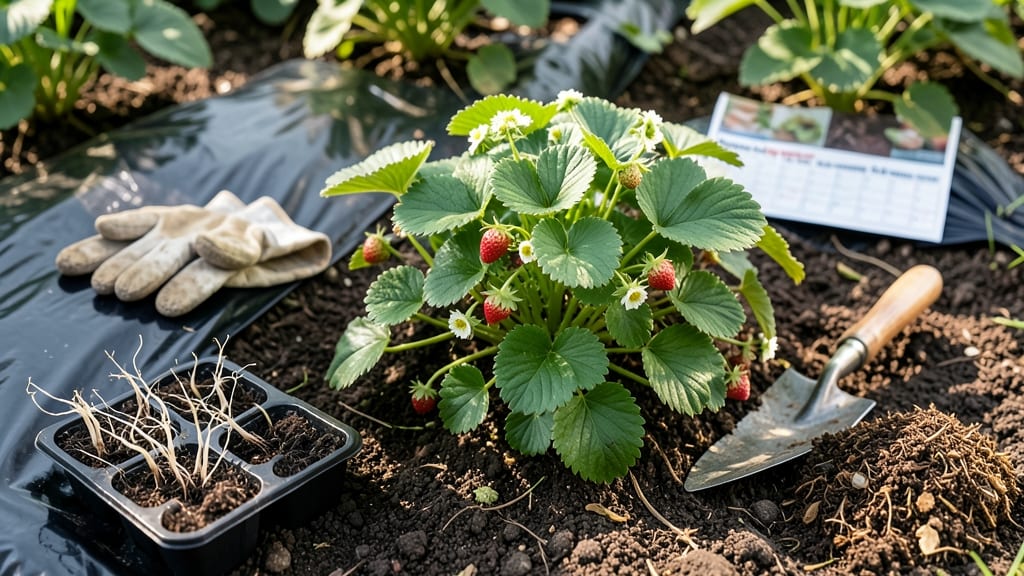
Planting strawberries in Missouri at the wrong time can mean the difference between a bountiful harvest and a sad, frost-nipped disappointment. With June-bearing varieties like 'Jewel' and 'Chandler' needing precise chill hours, timing isn't just important—it's the key to success in Missouri's variable climate.
Missouri gardeners know the struggle: too early, and your plants may bolt from winter's lingering chill; too late, and summer's heat steals their sweet potential.
The ideal window opens when soil temperatures hit 40°F in spring, but chill-hour requirements vary by variety—some need as few as 400 hours, while others demand 1,000+.
In this guide, I'll walk you through Missouri-specific planting strategies that account for microclimates—whether you're in St. Louis's urban heat islands or rural areas with later frost dates. You'll learn how to check soil temps, adjust for your local chill hours, and even use containers to extend your growing season.
By the end, you'll have a clear timeline tailored to your Missouri zone, plus actionable tips to protect your 🍓 plants from frost and heat stress. Let's get those strawberries in the ground at the perfect moment!
Missouri strawberry planting timeline by chill-hour requirements
Missouri’s 5 climate zones (5a–7a) create unique challenges for strawberry growers. The key to success? Matching June-bearing varieties to their chill-hour needs.
Most Missouri gardeners thrive with varieties requiring 400–1,000 chill hours, but timing your planting depends on whether you’re in southern Missouri’s warmer zones or northern Missouri’s colder regions.
Fall planting is ideal for Missouri because it allows roots to establish before winter, while spring planting gives a head start on the growing season. However, chill-hour requirements dictate which varieties will fruit well.
For example, 'Jewel' (600–800 chill hours) performs best in central Missouri, while 'Chandler' (800–1,000 chill hours) excels in northern Missouri.
Here’s the breakdown of when to plant based on chill hours and Missouri’s frost dates:
| Variety | Chill Hours | Fall Planting Window | Spring Planting Window | Soil Temp for Planting |
|---|---|---|---|---|
| Jewel | 600–800 | Late August–early September | Early April–mid-April | 45–55°F |
| Chandler | 800–1,000 | Mid-September–early October | Mid-April–late April | 40–50°F |
| Honeoye | 400–600 | Late September–early October | Late March–early April | 50–60°F |
| Seascape | 200–400 | October–November | Early April–mid-April | 55–65°F |
| Albion | 900–1,100 | Early September–mid-September | Late April–early May | 35–45°F |
For fall planting, aim to get strawberries in the ground 4–6 weeks before the first frost. This gives roots time to establish before winter dormancy.
In St. Louis (Zone 6b), that’s typically late August to early September, while in Kansas City (Zone 6a), it’s mid-September. Use a soil thermometer to confirm the ground has cooled to 50–60°F.
Spring planting in Missouri should happen as soon as the soil warms to 45–55°F, usually late March to mid-April in southern regions and early to mid-April in northern areas. Planting too early risks frost damage, while waiting too long delays fruit production.
If you’re in Zone 5a, like parts of northwest Missouri, opt for cold-hardy varieties like 'Albion' and plant in early September for fall.
Missouri’s variable frost dates can throw off even the best-laid plans. Check the Missouri State Climate Office for your local average last frost date—this is your deadline for fall planting.
For spring, wait until 3–4 weeks after the last frost to plant, as early warmth can trick plants into blooming too soon, only to be nipped by late frosts.
Pro tip: If you’re unsure about your chill hours, use a chill-hour calculator or consult your local Cooperative Extension office. They can provide data tailored to your specific Missouri county.
For example, 'Jewel' may struggle in northeast Missouri (Zone 5b) if it doesn’t get enough cold, while 'Seascape' might not fruit well in southern Missouri (Zone 7a) due to insufficient winter chill.
Once you’ve matched your variety to your chill hours and planted at the right time, focus on mulching with
How to adjust planting dates for Missouri’s microclimates
Missouri’s climate varies dramatically from the urban heat islands of St. Louis to the cooler, rural areas near Kansas City. These microclimates can shift your ideal planting window by 2-4 weeks.
For example, gardeners in Southeast Missouri (like Cape Girardeau) can plant June-bearing strawberries 2 weeks earlier than those in Northwest Missouri (like St. Joseph). Always check your last frost date—St. Louis averages April 15, while rural areas may see frost until May 1.
Use a soil thermometer to confirm readiness—strawberry roots thrive when soil hits 40°F in spring or 50°F in fall. In containers, roots warm faster, so you can plant 1-2 weeks earlier than in-ground beds.
For example, if your frost date is April 20, aim for March 25 in pots and April 1 in the ground.
Urban gardeners in St. Louis face extra challenges like heat reflection from buildings and limited airflow. To combat this, plant everbearing varieties (like 'Seascape') in shade cloth during peak summer heat.
In Kansas City’s drier climate, mulch heavily with straw or wood chips to retain moisture—this buys you 10-14 extra days of viable planting time in spring.
⚠️ Missouri Microclimate Pitfalls
St. Louis: Heat islands delay frost—plant June-bearers no earlier than April 1 to avoid late-spring frosts.
Kansas City: Drought stress can kill young plants—water deeply 2x/week after planting.
Rural Areas: Cooler nights may require row covers for fall plantings to extend the season.
For container gardening, choose 5-gallon pots with drainage holes—these warm up faster and let you plant 2 weeks ahead of ground plantings. Place containers near south-facing walls to capture extra heat.
If you’re in Zone 6 (northern MO), opt for high-chill varieties like 'Chandler' (900+ chill hours) and plant in early September for a spring harvest.
Always monitor weather forecasts 10 days before planting. If a cold snap is predicted, delay until soil warms or use frost blankets. In Southeast Missouri, where humidity is high, space plants 18 inches apart to improve airflow and reduce fungal diseases like gray mold.
Pro tip: Mark your calendar for Missouri’s average frost dates—use the Midwest Regional Climate Center’s frost maps for your county. For example, Columbia averages April 10 for last frost, while Springfield is April 18.
Planting 2 weeks before these dates gives your strawberries a buffer against late frosts.