
Plants
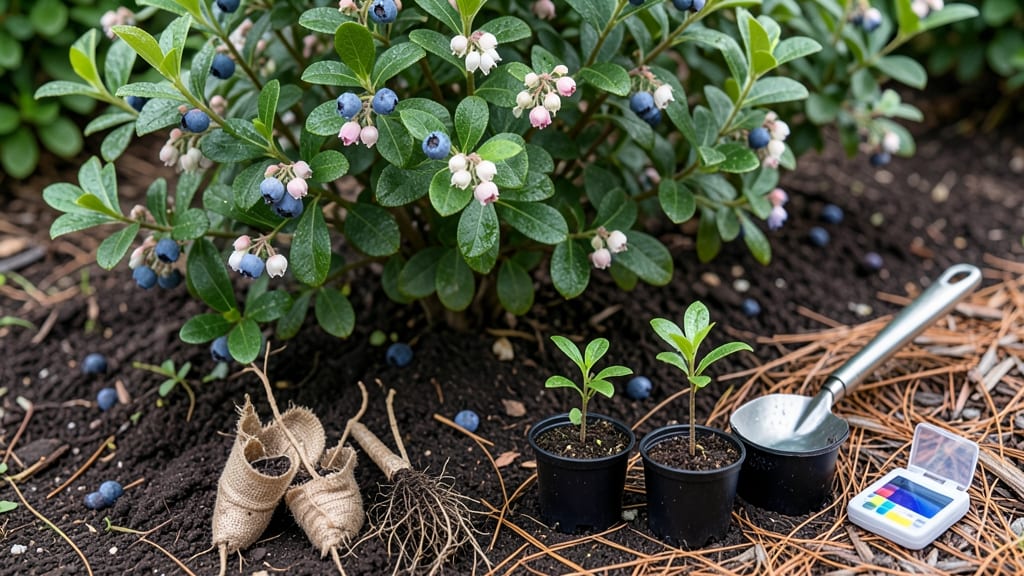
Timing your blueberry planting in Colorado can mean the difference between a thriving bush laden with 🫐 and a struggling plant that never quite takes off. Colorado’s varied climate—from the chilly mountain air of Zone 5 to the milder plains of Zone 8—demands precision when choosing the right window.
Most gardeners swear by late winter to early spring (March–April) or fall (September–October), but those deadlines shift depending on your elevation and frost dates. Plant too early, and your young bushes risk frost damage; too late, and they won’t establish strong roots before winter sets in.
I’ll break down the zone-specific deadlines you need to know, plus how to prep your soil for Colorado’s alkaline-heavy dirt—because blueberries are picky about their pH. Whether you’re planting bare-root or container-grown bushes, these tips will help you avoid common mistakes and set your bushes up for success.
Ready to grow your own sweet harvest? Let’s dive into the exact timing and care your Colorado blueberries deserve.
Best planting months for Colorado blueberries by USDA Zone (5-7)
Colorado’s USDA zones 5-7 create distinct windows for planting blueberry bushes, where timing directly impacts survival and yield.
In Zone 5 (mountain regions like Aspen), aim for late April to early May when soil temps hit 45°F+. Zone 6 (Denver, Fort Collins) gardeners have a broader window—March 15 to April 30—while Zone 7 (Colorado Springs, Pueblo) can plant as early as February 20.
Fall planting is also viable in Zones 6-7, with September 1-October 15 offering cooler roots and established growth before winter. However, Zone 5’s shorter growing season makes fall planting riskier due to early frosts.
Always check your local last frost date—Colorado’s can vary by 10+ days even within the same zone.
Soil temperature is critical: Blueberries won’t thrive if planted in cold, wet soil. Use a soil thermometer to confirm 50°F+ at 4 inches deep. In high-altitude areas, wait until May 1 to avoid frost damage, even if other plants are ready.
For bare-root plants, spring planting gives roots time to establish before summer heat, while container-grown bushes can handle earlier planting due to their established root systems. Either way, acidic soil (pH 4.5-5.5) is non-negotiable—Colorado’s alkaline soils often need sulfur amendments or peat moss.
| USDA Zone | Best Planting Window | Soil Temp Threshold | Key Consideration |
|---|---|---|---|
| 5 (Mountains) | Late April–Early May | 45°F+ | Short season; avoid late frosts |
| 6 (Front Range) | March 15–April 30 | 50°F+ | Flexible; fall option possible |
| 7 (Southeast) | February 20–March 31 | 55°F+ | Earliest planting; longer season |
Spring planting in Zone 5 requires patience—wait until after May 1 if early blooms appear, as late frosts can kill flowers before fruiting. For Zone 6-7, April showers are ideal: they soften soil and reduce transplant shock.
Always mulch heavily (3-4 inches of pine needles or bark) to retain moisture and acidity.
Fall planting in Zone 7 (September-October) lets roots establish before winter, but avoid planting after October 15—new growth won’t harden off before Colorado’s first frost. For Zone 6, aim for September 1 to balance root growth and frost risk.
In Zone 5, fall planting is risky unless you use row covers for insulation.
Colorado’s dry climate demands extra care: water deeply after planting to settle soil and encourage root spread. In Zone 5, add extra mulch (6+ inches) to protect roots from freeze-thaw cycles. For Zone 7, prioritize well-draining soil to prevent root rot during our hot summers.
Pro tip: Plant northern highbush varieties (like ‘Bluecrop’) in Zone 6-7 for larger yields, while southern highbush (e.g., ‘Premier’) thrives in Zone 7. Half-high varieties (e.g., ‘Top Hat’) are perfect for Zone 5 gardens with limited space.
Missed the ideal window? Container-grown bushes can be planted up to June 1 in Zone 6-7, but expect delayed fruiting. For Zone 5, June planting is only viable with drip irrigation and shade cloth to reduce stress.
How to adjust planting time for Colorado’s microclimates (high altitude vs. plains)
Colorado’s diverse geography means your blueberry planting timeline should shift dramatically depending on whether you’re gardening in Denver’s Front Range (USDA Zone 6) or the southeastern plains (Zone 7). High-altitude areas like Fort Collins face earlier frosts and cooler soils, while Grand Junction can push planting later due to milder winters. These microclimates create a 2-4 week difference in ideal planting windows—get it wrong, and your bushes may suffer winter burn or summer stress. The key difference lies in soil warming speeds. At 5,000 feet elevation (Denver), soils may not reach the 40°F threshold for root growth until mid-April, while 4,000 feet or lower (Pueblo) can hit that mark by early March. This means Zone 6 gardeners should prioritize fall planting (September-October) to establish roots before winter, while Zone 7 gardeners have more flexibility for spring planting (March-April) without risking winter kill.High Altitude (Zone 5-6) vs. Plains (Zone 7) Planting Strategies
High Altitude (Denver, Fort Collins)
- Fall planting (Sept-Oct) preferred: Roots establish before winter
- Use row covers to extend spring planting to mid-May
- Acidify soil 3+ months before planting (Colorado’s alkaline soils slow root growth)
- Plant dwarf varieties (e.g., 'Top Hat') to reduce frost damage risk
Southeastern Plains (Pueblo, Grand Junction)
- Spring planting (March-April) works well with warmer soils
- Later frost dates allow June planting for container-grown bushes
- Less mulch needed (milder winters reduce heat loss)
- Standard varieties thrive with longer growing seasons
Microclimate-Specific Adjustments
- Denver (Zone 6): Plant fall (Sept-Oct) or early spring (March 15-April 15) with row covers
- Grand Junction (Zone 7): Flexible spring (March 1-April 30) or fall (Sept 15-Oct 15)
- Aspen (Zone 5): Fall-only planting (Sept 1-Oct 10) with extra mulch
- Pueblo (Zone 7): Can plant containers until June 1 with drip irrigation