
Plants
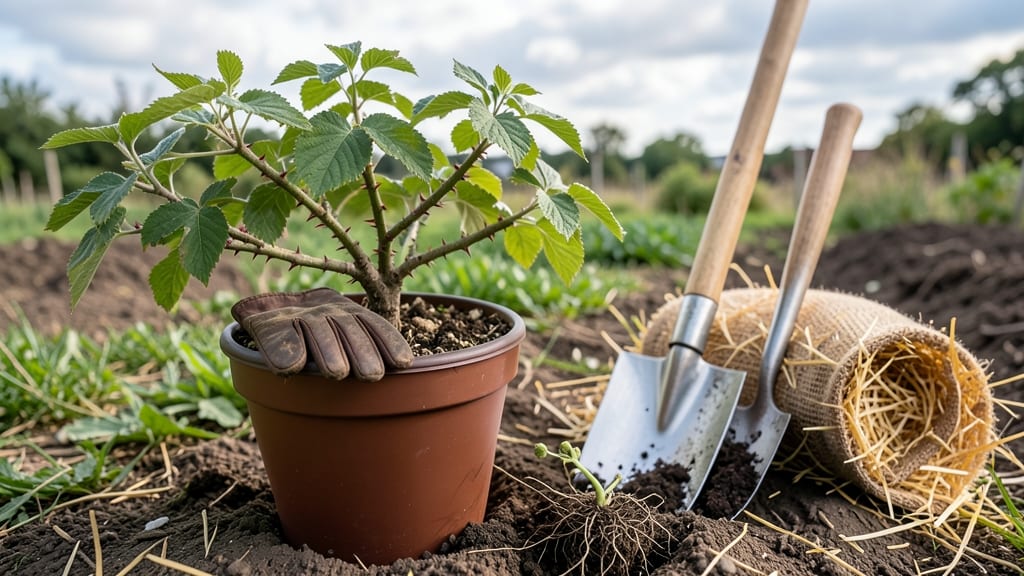
Planting blackberries in Oklahoma isn’t just about picking a month—it’s about matching your variety to the state’s chill-hour demands and avoiding the brutal heat or early frosts that can ruin your harvest. With the right timing, your 🍇 bushes will thrive, producing juicy berries from June to August.
Most gardeners in Oklahoma’s USDA zones 6a-8a get it wrong by planting too early or too late, leading to weak roots or winter damage. The sweet spot?
Late winter to early spring (February-March) for bare-root plants or fall (September-October) when soil temps dip below 60°F—but only if you’ve chosen varieties bred for your region’s chill hours.
Why does this matter? Because Oklahoma’s unpredictable weather—from panhandle droughts to southeast humidity—means your blackberries need a strong start. I’ll break down how to sync planting with Oklahoma’s microclimates, soil prep, and even backup strategies for container gardening if your zone runs hot.
Skip the guesswork: Learn the exact windows for southern vs. northern blackberry types, how to prep soil for Oklahoma’s clay-heavy earth, and when to adjust for late frosts. Your future berry harvest depends on it.
Best planting months for Oklahoma blackberries by chill-hour needs
Oklahoma’s USDA zones 6b-8a create unique challenges for blackberry growers. The key to success lies in matching chill-hour requirements with your local climate. Most blackberry varieties need 300-1,000 chill hours (temperatures between 32°F and 45°F) to produce fruit, but southern types thrive with fewer hours than northern varieties.
In Oklahoma, fall planting (September-October) gives roots time to establish before winter, while early spring planting (February-March) avoids heat stress. The average last frost date of March 15th marks the safe window for spring planting, but soil temperature must reach 40°F+ for root growth.
Northern blackberries (like 'Chester' or 'Triple Crown') need 800-1,000 chill hours, while southern types (like 'Apache' or 'Arapaho') thrive with 300-500 chill hours. Oklahoma’s panhandle region (Zone 7b-8a) has fewer chill hours, making southern varieties ideal, while northeastern Oklahoma (Zone 6b-7a) can support both types.
Chill-hour calculations are critical: Use a local weather station or online chill-hour calculator to verify your area’s accumulation. For example, Oklahoma City averages 800 chill hours, perfect for northern varieties, while Tulsa averages 600-700 chill hours, leaning toward southern types.
For bare-root plants, fall planting is ideal—roots establish before winter dormancy. For potted plants, spring planting avoids transplant shock. Always check the root flare (where roots meet stem) to ensure it’s 1-2 inches above soil level for proper airflow and drainage.
Soil temperature is your best indicator: Use a soil thermometer to confirm 40°F+ before planting. In Oklahoma, this typically aligns with mid-March for spring and early October for fall, but microclimates (like urban heat islands) can shift these dates by 1-2 weeks.
Here’s how Oklahoma’s regions break down for planting:
| Region | Best Planting Window | Chill Hours | Recommended Varieties |
|---|---|---|---|
| Panhandle (Zone 7b-8a) | September 15 - October 15 | 300-500 | Apache, Arapaho, Ouachita |
| Central Oklahoma (Zone 7a-7b) | February 15 - March 15 OR September 1 - October 1 | 500-700 | Natchez, Chester, Triple Crown |
| Northeast Oklahoma (Zone 6b-7a) | March 1 - April 1 OR September 15 - October 15 | 700-1,000 | Chester, Triple Crown, Black Satin |
If you’re unsure about your chill hours, southern varieties are the safest bet for most of Oklahoma. They’re also heat-tolerant, a critical advantage during Oklahoma’s 90°F+ summers. For northern varieties, prioritize fall planting to maximize chill-hour accumulation over winter.
Always mulch heavily (3-4 inches) after planting to retain moisture and regulate soil temperature. Use straw or wood chips, avoiding grass clippings that can mat and suffocate roots. This is especially important in Oklahoma’s drought-prone summers, where mulch reduces water loss by up to 50%.
Pro tip: Plant on a slight slope to improve drainage—Oklahoma’s clay-heavy soils can lead to root rot if water pools. Amend soil with compost or sand to improve texture, especially in low-lying areas prone to waterlogging.
🌱
How to time your planting for Oklahoma’s microclimates
Oklahoma’s diverse climate—from the arid panhandle to the humid southeast—means planting dates can vary by 100+ miles. Adjust your schedule based on your region’s last frost date and soil warmth.
For example, Tulsa typically plants by March 15, while Lawton can start as early as February 20.
Use a soil thermometer to confirm ground temps are above 40°F before planting. In USDA Zone 7b areas, aim for late February for spring planting, while Zone 8a regions can start in early March. Fall planting? Wait until September 15-October 15 to avoid winter stress.
🌱
- 📍 Panhandle (Zone 7b-8a): Plant February 20-March 15 (spring) or September 1-October 15 (fall). Soil warms faster here!
- 📍 Central OK (Zone 7a-7b): Stick to March 1-April 15 (spring) or September 15-October 1 (fall). Watch for late frosts!
- 📍 Southeast OK (Zone 7a-8a): Plant March 15-April 1 (spring) or September 1-October 10 (fall). Humidity increases disease risk—space plants well!
- ⏰ Soil Temp Check: Wait until soil is 50°F+ for spring planting. Fall? Soil should be 60°F+ and cooling.
- ⚠️ Frost Alert: Use row covers if planting near March 15 (last frost window).
For container gardening in extreme heat zones (like Lawton or Oklahoma City), start potted plants 4-6 weeks earlier indoors. Move them outside after April 15 when nighttime temps stay above 50°F. Containers dry out faster—water daily during Oklahoma’s 90°F+ summers.
Pro tip: Plant northern varieties (like Cheyenne) in cooler microclimates (e.g., Arkansas River Valley) and southern types (like Arapaho) in warmer zones (e.g., McAlester). This match-up maximizes chill hours and heat tolerance.
Always test your soil’s pH (5.5-6.5) and amend with compost before planting. Oklahoma’s clay-heavy soils drain poorly—raise beds or add organic matter to improve aeration. Mulch heavily (3-4 inches) to retain moisture during Oklahoma’s dry spells.
✅ Plan ahead: Bookmark your local Cooperative Extension Service frost maps (e.g., OSU Extension) for real-time updates. Adjust your schedule if El Niño brings early freezes!