
Plants
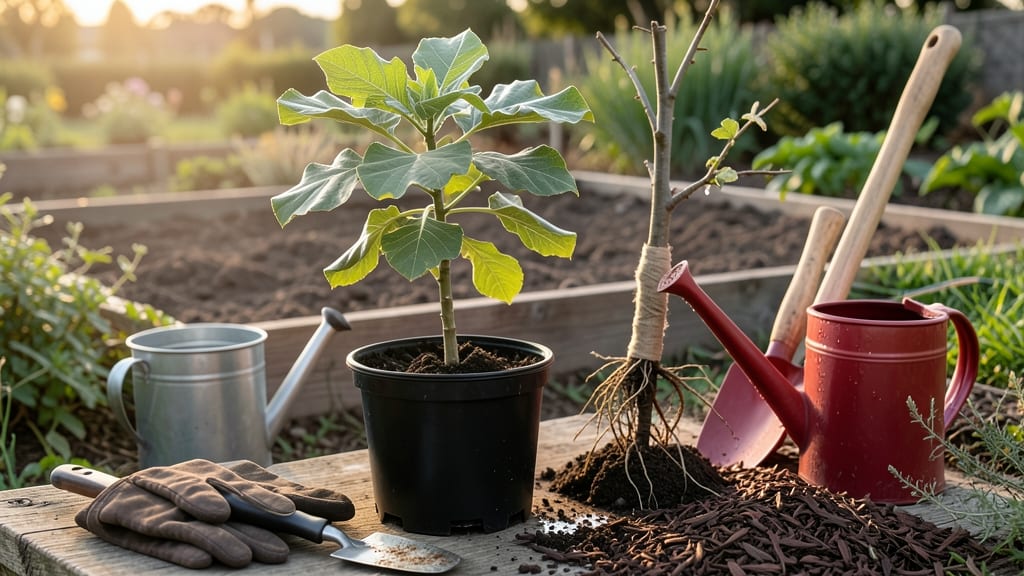
Fig tree planting timeline by chill-hour zones: exact months for maximum fruit production
Fig trees thrive when planted at the right time—especially when matching your USDA hardiness zone to their chill-hour requirements. Most fig varieties need between 200-800 chill hours (temperatures below 45°F) to break dormancy and produce fruit.
Planting too early in cold zones risks frost damage, while late planting in warm areas delays fruit production.
For USDA zones 9-11 (frost-free or minimal chill), you can plant fig trees year-round, but spring (March-May) is ideal for establishing roots before summer heat.
In zones 7-8, aim for early spring (March-April) after the last frost date, or late summer (August-September) to allow roots to establish before winter.
In zone 6 or colder, only cold-hardy varieties like 'Chicago Hardy' or 'Celeste' should be planted in early spring (April-May). These trees need protected microclimates (e.g., against south-facing walls) to survive winter.
Always check your local chill hours using NOAA’s climate data tools—this ensures your fig tree enters dormancy correctly.
🌱 Visual Guide: Optimal Planting Windows by Zone
| USDA Zone | Chill Hours Needed | Best Planting Window | Key Considerations |
|---|---|---|---|
| 9-11 | 0-200 | Year-round (best: Spring/Fall) | No frost risk; prioritize soil warmth (60°F+). |
| 8 | 200-400 | Early Spring (March-April) or Late Summer (Aug-Sept) | Avoid late frosts; mulch heavily for winter. |
| 7 | 400-600 | Early Spring (April-May) | Use cold-hardy varieties; plant near heat-retaining walls. |
| 6 or colder | 600-800+ | Late Spring (May-June) | Container growing recommended; protect roots with mulch. |
If you’re in a transition zone (e.g., zone 7b/8a), split the difference: plant in early spring for root establishment, then mulch deeply (4-6 inches) to insulate roots during winter. For container growing, move pots indoors or to a garage during freezes—this extends your growing range dramatically.
Soil temperature is just as critical as air temperature. Figs won’t thrive if planted in cold soil (below 55°F). Use a soil thermometer to confirm warmth before planting. In cooler zones, consider black plastic mulch or row covers to warm the soil faster.
Pro tip: Plant figs near south-facing fences or brick walls to absorb and radiate heat.
For bearing fruit in the first year, prioritize late-summer planting (August-September) in warm zones. This gives roots time to establish before winter, while still allowing the tree to push growth in spring.
Just ensure your fig variety is dormant-resistant—some varieties (like 'Brown Turkey') need chill hours, while others (like 'Violette de Bordeaux') are chill-free.
After planting, water deeply once a week for the first month to encourage root spread. Avoid overhead watering, which can cause root rot. Instead, use drip irrigation or soaker hoses to deliver moisture directly to the root zone.
In drought-prone areas, mulch with wood chips or straw to retain moisture and regulate soil temperature.
Remember: Patience pays off. Figs planted at the wrong time may take 2-3 years to bear fruit, while correctly timed plantings often produce figs in the first growing season.
Check your local frost dates (via Almanac.com) and adjust your timeline accordingly—this small step can mean the difference between a thriving tree and a struggling one.
🌿 For gardeners in urban areas, container planting is a game-changer. Use large pots (15+ gallons) with fast-draining soil and move them to sunny balconies or patios during winter. This mimics the flexibility of ground planting while protecting roots from extreme temperatures.
Signs your climate isn’t right for figs—and how to fix it before planting
If your region experiences late spring frosts or extreme winter temperatures below 10°F (-12°C), fig trees will struggle—or die—without protection. Figs thrive in USDA zones 7-11, but even within these zones, microclimates can make all the difference.
For example, a low-lying area might frost later than a south-facing slope, creating a perfect spot for figs even in cooler zones.
High humidity can also spell trouble, as it promotes fungal diseases like root rot and leaf spot. If your area has consistent dampness or poor drainage, container growing becomes your best bet.
Urban gardeners in Zone 6 or colder often grow figs in pots and move them indoors during winter, extending their lifespan dramatically.
🌳
⚠️ Warning: Climate Red Flags
- Late frosts: After April 15 in most regions
- Extreme heat: 100°F+ for weeks without shade
- High humidity: 70%+ year-round
- Poor drainage: Water pools after rain
- Strong winds: Exceeds 15 mph frequently
Solution: Test your microclimate with a weather station or local NOAA data before planting.
To adapt your climate for figs, start with soil amendments. Figs hate soggy roots, so mix in compost and perlite to improve drainage. If your area gets intense afternoon sun, provide afternoon shade with a lightweight shade cloth (30-50% coverage) during peak heat.
For urban gardeners, container growing with well-draining soil and drip irrigation can create ideal conditions even in challenging climates.
Companion planting also helps. Pair figs with rosemary, thyme, or marigolds to deter pests and improve air circulation. These plants thrive in similar conditions and can reduce fungal risks by up to 40%. Just avoid planting near walnut trees, as they release juglone toxins that stunt fig growth.
If your climate is borderline, consider dwarf varieties like 'Little Miss Figgy' or 'Brown Turkey,' which are more adaptable. These varieties produce fruit faster and handle mild cold snaps better than standard types.
Always mulch heavily in winter with straw or leaves to insulate roots and protect against temperature swings.
Finally, monitor your fig tree’s leaf color and growth rate after planting. Yellowing leaves or stunted growth often signal stress from climate mismatches. Adjust care immediately—whether that means adding shade, improving drainage, or moving the tree to a better spot.