
Plants
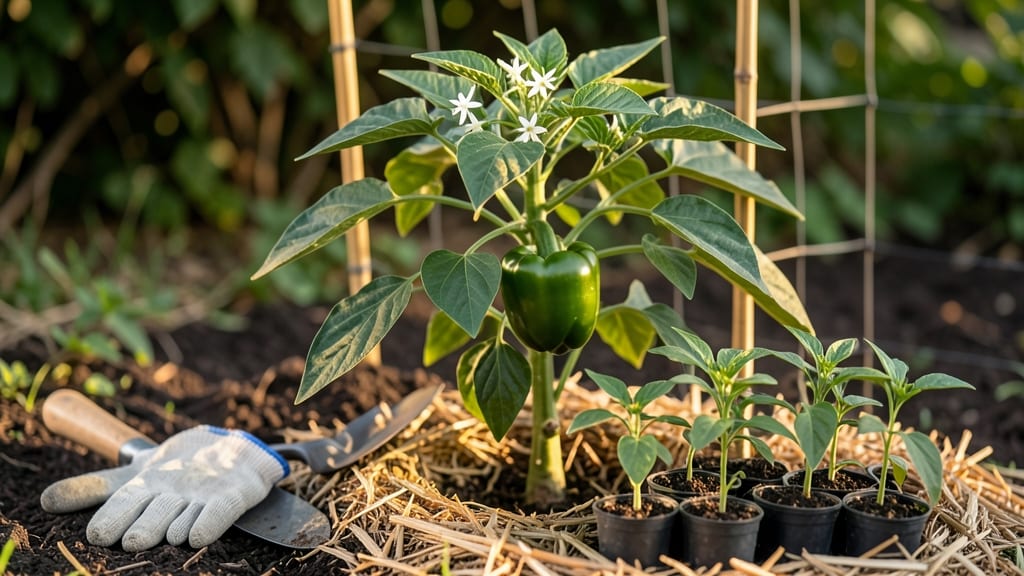
Timing your bell pepper 🌶️ planting in Ohio can make or break your harvest—get it wrong, and you’ll either face frost damage or miss the growing season entirely.
The perfect window starts after April 15th, when soil warms to at least 60°F and frost risk fades, but knowing exactly when to plant depends on whether you’re starting seeds indoors or sowing directly.
Ohio’s Zone 6a climate means you’ve got just 165 frost-free days to work with, so every week counts. I’ll break down the ideal planting schedule—whether you’re a beginner or a seasoned gardener—so you can maximize your yield from July through October without guessing.
You don’t need a green thumb to nail this, but you do need to know the critical deadlines for transplanting seedlings or direct-sowing seeds. Let’s cut through the confusion and get your bell peppers 🌶️ growing strong, no matter where you are in the state.
Ready to avoid common mistakes and ensure a bountiful harvest? I’ll walk you through the exact steps, from soil prep to the last frost date, so you can confidently plant your peppers—and enjoy them all season long.
Ohio bell pepper planting dates by Zone 5-6: frost-free deadlines
Ohio’s USDA Zones 5-6 mean bell peppers need precise timing to thrive. The last frost date typically falls around April 15, but soil must also reach 60°F+ for successful germination. Planting too soon risks frost damage, while waiting too late cuts harvest potential.
For maximum yield, aim to transplant seedlings outdoors 2-3 weeks after your area’s last frost. Ohio’s short growing season (about 165 frost-free days) demands early starts—either direct-sow after May 1 or start indoors 8-10 weeks before your last frost date.
Northern Ohio (Zone 5) has a shorter window—transplant by May 15 for a harvest before fall frosts. Southern Ohio (Zone 6) can extend planting until June 1, but avoid late starts unless growing fast-maturing varieties like 'Early California Wonder'.
| Stage | Zone 5 (North) | Zone 6 (South) |
|---|---|---|
| Last Frost Date | April 20–May 5 | April 10–20 |
| Ideal Transplant Window | May 1–15 | April 25–June 1 |
| Direct Sow Window | May 15–June 1 | May 1–June 15 |
| Soil Temp Requirement | 60°F+ (use row covers) | 60°F+ (warmer earlier) |
| Harvest Window | July–September | July–October |
Use a soil thermometer to confirm 60°F+ soil temps before planting. Ohio’s unpredictable spring weather can delay warming—don’t rush! Cover seedlings with frost cloth if nights dip below 50°F after transplanting.
For extended harvests, try a second planting of fast varieties in early July. Choose short-season types like 'Aristotle' (60 days) or 'Carmen' (65 days) for late-season success. Avoid long-maturing varieties (90+ days) unless you’re in Zone 6.
Pro tip: Check your local nursery’s frost dates—they often adjust based on microclimates. Urban areas may warm faster than rural spots. Use black plastic mulch to raise soil temps by 5–10°F if needed.
If you’re starting seeds indoors, begin by March 1 (Zone 5) or February 15 (Zone 6) for 8–10 week seedlings. Use grow lights to prevent leggy seedlings—bell peppers need 12–14 hours of light daily.
Remember: Peppers hate cold soil. If temps drop below 55°F, growth stalls. Use straw mulch to insulate roots and keep soil warm. With the right timing, you’ll enjoy homegrown peppers from July to October!
5 Signs your Ohio bell pepper planting timing is perfect (or wrong)
Ohio’s unpredictable spring weather can throw off even the best-laid planting plans. The key to success? Watching for 5 clear signs that your timing is ideal—or adjusting before it’s too late.
These indicators help you avoid common mistakes like planting too early (risking frost damage) or too late (missing the harvest window).
First, check your soil temperature—it must stay above 60°F for 24 hours before planting. Use a soil thermometer to confirm. Cold soil stalls germination, and peppers won’t thrive until it warms up. If temps dip below 55°F at night, cover seedlings with frost cloth to protect them.
Next, monitor the weather forecast for at least 7 frost-free days after transplanting. Ohio’s last frost typically occurs around April 15, but late frosts can sneak in—especially in Zone 5. Sign up for local frost alerts or check the Old Farmer’s Almanac for your area’s trends.
🌱 5 Signs Your Planting Timing Is Perfect
- Soil temp: 60°F+ for 24+ hours (use thermometer)
- Frost risk: 7+ days without frost predicted
- Seedlings: 4–6 inches tall with 3+ leaves (if transplanting)
- Sunlight: 6+ hours of direct sun daily at planting site
- Moisture: Well-draining soil (no soggy patches)
❌ 3 Red Flags to Watch For
- Cold soil: Below 55°F (growth stalls)
- Frost warning: 50°F nights after transplanting
- Leggy seedlings: Weak stems (needs more light)
Your seedlings’ health is another critical clue. If you’re transplanting, wait until they’re 4–6 inches tall with 3–4 true leaves. Seedlings that are too small struggle to establish roots, while overgrown ones (8+ inches) may flop in wind or fail to produce fruit.
Harden them off for 7–10 days before moving outdoors to avoid shock.
Don’t overlook your planting site’s sunlight. Bell peppers need 6–8 hours of direct sun daily, but Ohio’s cloudy springs can trick you.
Test your spot by placing a sun calculator (or a white plate) in the ground—if it gets less than 6 hours of sun, move to a sunnier location or use reflective mulch to boost light exposure.
Finally, check your soil moisture before planting. Well-draining soil is a must—peppers hate soggy roots. Dig a hole, add water, and time how long it takes to drain.
If it stays wet for more than 2 hours, amend with compost or sand. Water deeply 1–2 days before transplanting to reduce stress on seedlings.
Adjust your timing if you spot these warning signs: wilting leaves (underwatering), yellowing foliage (overwatering or cold soil), or stunted growth (too much shade). Ohio’s microclimates mean urban areas may warm faster than rural spots—always verify conditions at your specific site.
With these signs in mind, you’ll nail your planting window every time!