
Plants
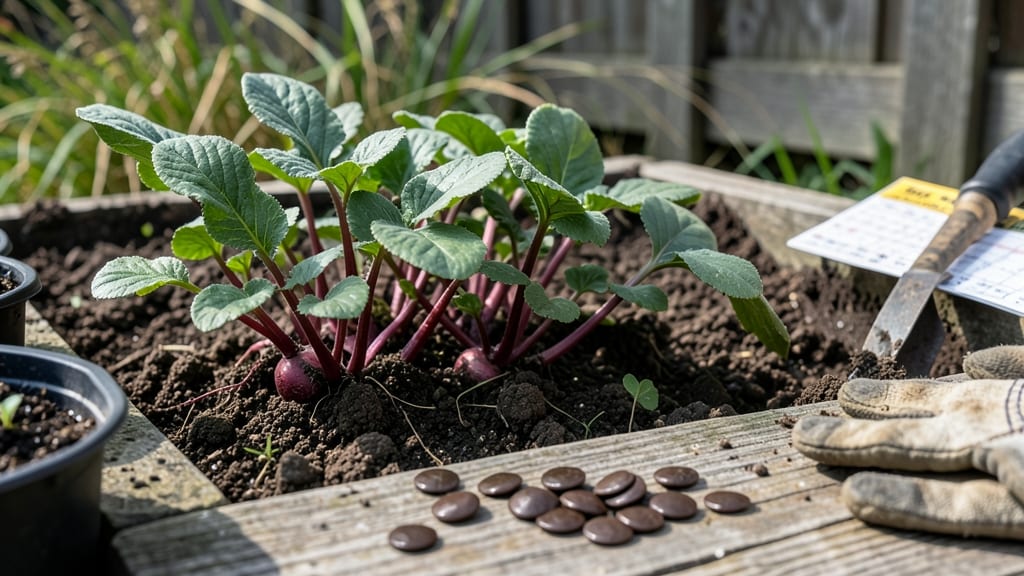
Timing your beet planting in Zone 7a is the secret to sweet, tender roots instead of tough, bitter ones—get it wrong, and you’ll end up with a disappointing harvest.
These cool-weather lovers 🍠 need precise windows to avoid bolting or stunted growth, and the difference between a perfect crop and a failed one often comes down to when you pop those seeds in the ground.
If you’ve ever wondered why your beets turned woody or bolted too early, you’re not alone. The key lies in understanding Zone 7a’s unique climate—where early springs can trick you into planting too soon, and late summers demand a second chance.
I’ll break down the exact weeks before your last frost date (and why timing matters more than you think) so you can plan like a pro.
Most gardeners in 7a focus only on spring planting, but there’s a hidden trick for a second harvest: late summer. Whether you’re a first-timer or a seasoned gardener, these insights will help you avoid common mistakes and maximize your yield.
Let’s dive into the perfect schedule for your next beet harvest.
Ready to grow beets that are sweet, juicy, and ready to harvest? The right planting window makes all the difference—and in Zone 7a, it’s not as simple as “spring and fall.”
Stick around to learn the exact dates, soil temps to watch for, and how to adjust for your specific microclimate, whether you’re in the northern or southern edge of 7a.
Optimal planting windows for beets in Zone 7A: exact weeks before last frost
In Zone 7A, timing is everything when planting beets—they love cool weather but bolt (go to seed) when temperatures climb above 75°F. The best windows are 4-6 weeks before your last frost date in spring and 8-10 weeks before first frost in fall.
For most of Zone 7A, this means mid-March to early April for spring and late July to early August for fall.
Your last frost date in Zone 7A typically falls around March 15, but check your local USDA frost map for precision. Planting too early risks frost damage, while waiting too long can lead to bolting or stunted growth. Aim for soil temperatures between 50-70°F—below 50°F slows germination.
Here’s how to calculate your exact window: Subtract 4 weeks from your last frost date for spring planting. For fall, subtract 8-10 weeks from your first frost date (usually November 15 in Zone 7A). This ensures beets mature before summer heat or winter frost.
Pro tip: Use a soil thermometer to confirm temperatures. Beets won’t sprout well in cold soil—wait until it’s consistently above 50°F.
| Planting Window | Weeks Before Frost | Soil Temp (°F) | Notes |
|---|---|---|---|
| Spring Planting | 4-6 weeks | 50-70°F | Plant mid-March to early April for harvest by June. |
| Fall Planting | 8-10 weeks | 50-65°F | Plant late July to early August for harvest by October. |
| Succession Planting | Every 2 weeks | 50-70°F | Extend harvest by sowing new seeds every 2 weeks in spring. |
For succession planting, sow new seeds every 2 weeks in spring to ensure a steady supply. This works until mid-May, when temperatures rise. In fall, you can push it to early September for a late harvest.
If you’re in northern Zone 7A (e.g., near the Blue Ridge Mountains), plant 2 weeks earlier—cooler microclimates allow for earlier starts. In southern Zone 7A (e.g., near Atlanta), delay spring planting by 1-2 weeks to avoid early heat.
Always harden off seedlings for 5-7 days before transplanting. Move them to the garden gradually to prevent shock. Use row covers if nighttime temps dip below 40°F to protect young plants.
Remember: Beets are fast-growing—they’ll bolt if stressed by heat or drought. Prioritize consistent moisture and partial shade during hot afternoons to keep them sweet and tender.
Optimal planting windows for beets in Zone 7A: exact weeks before last frost
In Zone 7A, beets love cool weather but bolt (flower prematurely) when temperatures rise above 75°F.
The sweet spot for planting is 4-6 weeks before your last frost date, which typically falls around March 15 in most of Zone 7A. This gives your beets time to mature before summer heat sets in.
For a continuous harvest, I recommend planting in two windows: early spring and late summer. Spring plantings should start in late February to early March, while late summer plantings go in late July to early August.
This strategy ensures you avoid both early frosts and summer heat stress.
Here’s how to calculate your exact planting window: subtract 4-6 weeks from your average last frost date. For example, if your last frost is March 20, plant between February 10-25. Use the USDA Plant Hardiness Zone Map to verify your local frost dates.
| Planting Window | Soil Temp Requirement | Days to Harvest | Notes |
|---|---|---|---|
| Early Spring (Feb 20 - Mar 15) | 45-60°F | 50-60 days | Best for early harvests |
| Late Summer (Jul 20 - Aug 15) | 50-65°F | 45-55 days | Avoids summer heat |
Pro tip: Use a soil thermometer to confirm soil temperatures are above 45°F before planting. Cold soil can delay germination. If your soil is too cold, wait another week or use a cold frame to warm it up.
For succession planting, sow new seeds every 2-3 weeks until June 1. This staggered approach ensures a steady supply of fresh beets throughout the growing season. Just stop planting after early summer to prevent bolting.
Remember, beets are frost-tolerant seedlings, so you can even plant them 2-3 weeks before your last frost. Just cover them with row fabric if late frosts threaten. This early start can give you a jump on the season!