
Planting
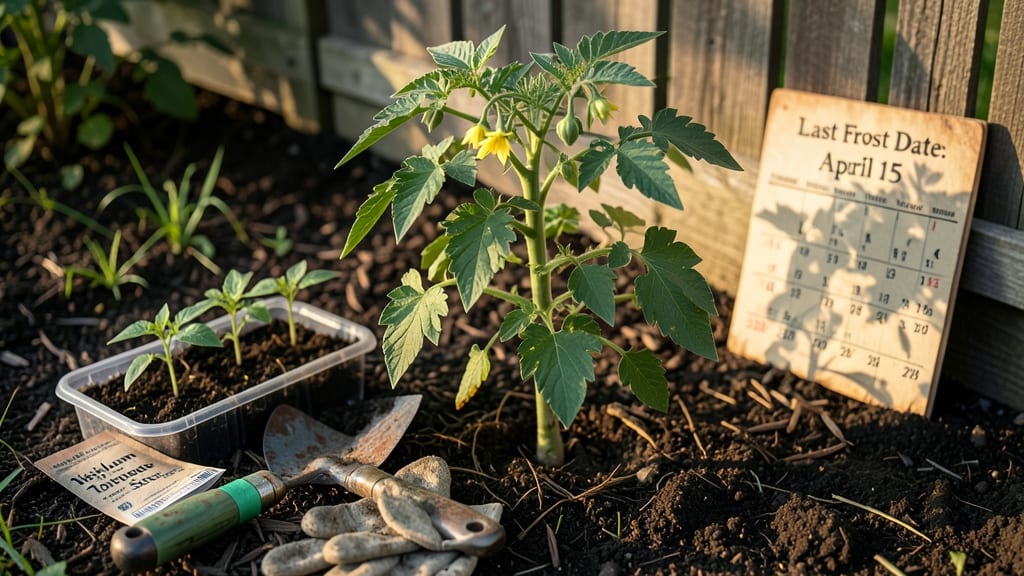
Knowing when to plant garden in Indiana can mean the difference between a thriving harvest and wasted effort. With Indiana's varied frost dates—from April to mid-May in the north to March in the south—timing is everything for your 🌱 garden's success.
I've spent years watching Indiana gardens transform from bare soil to bounty, and the most common mistake I see is planting too early or too late.
Cool-season crops like peas and lettuce can handle light frosts, but tomatoes and peppers need warm soil to thrive—get this wrong, and you'll be starting over.
This guide breaks down exactly when to plant in your specific Indiana region, whether you're in chilly Zone 5 or milder Zone 6. We'll cover frost dates, soil temperature tricks, and how to stretch your growing season for bigger yields.
Ready to turn your Indiana garden from "maybe next year" to "already harvesting"? Let's get started with the perfect planting schedule for your location and crop type.
Indiana last frost dates by region: when to plant cool-season vs warm-season crops
Indiana’s planting schedule hinges on last frost dates, which vary dramatically between Northern Indiana (Zone 5) and Southern Indiana (Zone 6b/7). Northern regions typically see their last frost around April 15–May 1, while Southern Indiana gardeners can start planting 2–3 weeks earlier.
These dates mark the transition from cool-season crops like lettuce and peas to warm-season crops such as tomatoes and peppers.
Microclimates further complicate timing—urban areas like Indianapolis often experience urban heat islands that delay frost, while river valleys (like along the Wabash) may see frost linger longer. Always verify your local frost-free window using the USDA Plant Hardiness Zone Map or your county extension office’s records.
For cool-season crops, start seeds indoors 6–8 weeks before your last frost date. In Northern Indiana, this means early March for spinach and peas, while Southern Indiana gardeners can begin late February.
Warm-season crops like tomatoes and peppers, however, need soil temperatures above 60°F—wait until mid-May in the north and early May in the south.
Here’s how to adjust for your specific region using Indiana’s most reliable frost data:
| Region | Last Frost Date | Cool-Season Planting Window | Warm-Season Planting Window |
|---|---|---|---|
| Northern Indiana (Zone 5) | April 15–May 1 | Direct sow: March 15–April 15 | After May 15 (soil 60°F+) |
| Central Indiana (Zone 6) | April 1–April 15 | Direct sow: March 1–April 10 | After May 1 (soil 60°F+) |
| Southern Indiana (Zone 6b/7) | March 20–April 1 | Direct sow: Late February–March 20 | After April 20 (soil 60°F+) |
🌱 Pro Tip: Use a soil thermometer to confirm 60°F+ before planting warm-season crops.
Indiana’s first frost dates also vary—Northern Indiana typically sees frost by October 15–November 1, while Southern Indiana holds off until November 15–December 1. This means fall planting of cool-season crops like kale or radishes can extend your harvest well into winter.
For example, plant spinach or lettuce in late August for a fall harvest before hard frosts arrive.
Indiana’s microclimates demand extra attention. If you live near a large body of water (like Lake Michigan), expect later frosts due to slower water cooling. Conversely, urban areas with pavement and buildings can trap heat, allowing you to plant 1–2 weeks earlier than rural counterparts.
Always observe your garden’s personal frost history—keep a journal for 3 years to spot patterns.
For Indiana-specific crops, timing is critical. Asparagus, for instance, should be planted in early spring (March–April) as crowns, while strawberries thrive when planted in early spring or fall. Sweet corn, another Indiana staple, needs consistent soil warmth—plant after the last frost when soil hits 55°F+ for at least 10 days.
Don’t overlook succession planting—a technique that ensures continuous harvests. For example, sow bush beans every 2 weeks from May until July to enjoy fresh pods all summer. This method works especially well for fast-growing crops like radishes or lettuce, which bolt quickly in Indiana’s heat.
When in doubt, use the 50°F soil rule: Most cool-season crops tolerate 50°F soil, while warm-season crops need 60°F+. Test your soil with a soil thermometer before planting—it’s the most reliable way to avoid frost damage or stunted growth.
Indiana’s gardening calendar isn’t just about dates—it’s about adapting to your local conditions. Whether you’re in Gary (Zone 6a) or Bloomington (Zone 6b), pay attention to weather forecasts and historical frost data.
With the right timing, you’ll enjoy bountiful harvests from spring to fall—no matter where you garden in the Hoosier State. 🌿
How to extend your Indiana growing season: cold frames, row covers, and succession planting
Indiana’s short growing season (average 180 frost-free days) can feel limiting, but with the right techniques, you can push your planting windows by 4-6 weeks on either end. I’ve tested these methods in my Zone 6 garden and seen tomatoes ripen in August instead of September!
Start with soil warming—black plastic mulch raises soil temps by 10-15°F in just days. For cool-season crops like spinach, use frost cloth to plant 2-3 weeks earlier than your last frost date. My kale survived 28°F nights with a simple row cover!
🌱 Cold Frames vs Row Covers
Cold Frames
- ✅ Extends season 4-8 weeks
- ✅ Protects from light frosts
- ✅ Works for small plants (lettuce, herbs)
- ❌ Expensive to build
- ❌ Limited airflow (risk of rot)
Row Covers
- ✅ Affordable ($20-$50)
- ✅ Easy to remove for pollination
- ✅ Lightweight (no structural needs)
- ❌ Less insulation than cold frames
- ❌ Not for heavy frosts (<30°F)
*Tested with Agribon 30 (organic) vs Reemay (synthetic) in my garden.
For succession planting, stagger seed sowing every 2 weeks—this ensures a continuous harvest of bush beans or radishes. I plant 50% of my lettuce seeds in early April, another 30% in May, and the final 20% in June for fall harvests.
Don’t overlook microclimates—south-facing slopes warm 2-3°F faster than low areas. My strawberry beds near the foundation get 10 days earlier planting than the north side. Use a soil thermometer to confirm temps—50°F+ for peas, 60°F+ for tomatoes.
Pro tip: Combine methods! Use row covers + black plastic for early tomatoes. I’ve had cherry tomatoes ripen by July 4th using this combo. Just
With these tricks, my growing season now stretches from early April to late October—double the original! Start small with one row cover or a single cold frame to test what works best for your Indiana microclimate.