
Planting
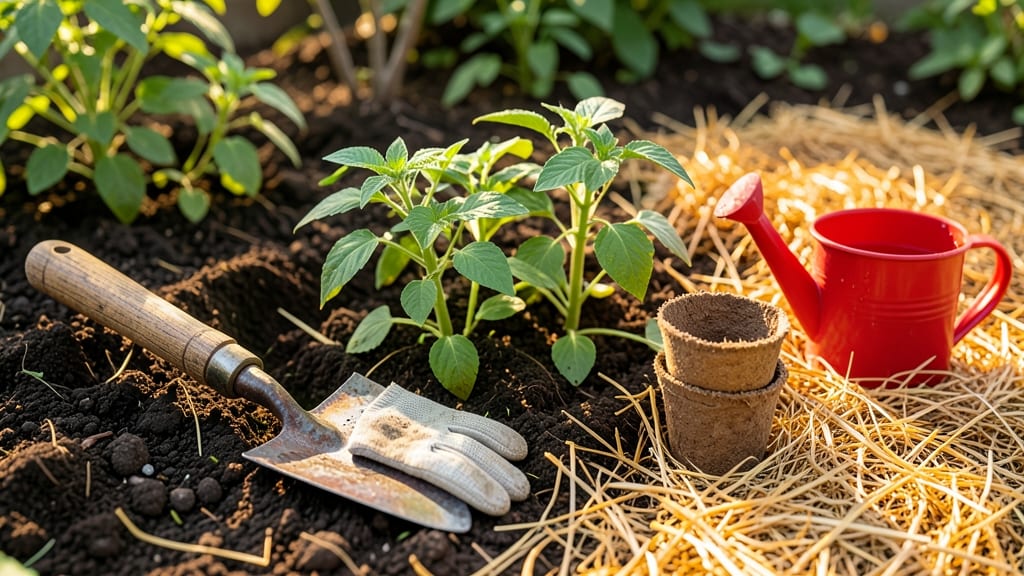
Planting your garden in Central Texas at the wrong time can mean the difference between a bountiful harvest and wilted disappointment—especially when dealing with heat-sensitive varieties like tomatoes or peppers.
The key isn’t just following a calendar; it’s understanding your USDA Zone 8a-9a climate and how to work with its 210-240 frost-free days to maximize growth.
I’ve learned the hard way that waiting until soil temperatures hit 60°F and nighttime lows stay above 40°F makes all the difference. Whether you’re sowing cool-season greens in late February or warm-season squash in August, timing directly impacts your yield—and avoiding that dreaded bolt risk is everything.
What if you could extend your growing season without guessing? This guide breaks down the exact planting windows for Central Texas 🌱, from early spring to late fall, so you never miss a harvest opportunity again. Let’s dive into the strategies that’ll keep your garden thriving year-round.
From heat-zone maps to frost dates, I’ll show you how to align your planting schedule with Central Texas’ unique climate—so you can enjoy fresh produce from March to December without the stress. Ready to transform your garden’s potential?
Central Texas heat-zone map: best planting windows by variety
Central Texas's USDA Zone 8a-8b climate offers a unique gardening advantage—long, hot summers and mild winters mean you can grow almost year-round. But timing is critical. Planting too early risks frost damage, while planting too late means your warm-season crops will struggle in the heat.
The key is aligning your planting schedule with soil temperatures, heat tolerance thresholds, and frost-free windows.
For Central Texas, the ideal planting windows are split into two main seasons: cool-season (fall/winter) and warm-season (spring/summer). Cool-season crops thrive when daytime highs are 75°F or lower, while warm-season crops need consistent soil temps above 60°F.
Missing these windows can lead to stunted growth, bolting (premature flowering), or even crop failure.
Below is a heat-zone planting guide tailored to Central Texas, covering tomatoes, peppers, greens, and herbs. Use this as your roadmap to avoid common pitfalls like early frost or heat stress.
| Plant Type | Best Planting Window | Soil Temp Threshold | Heat Tolerance | Key Notes |
|---|---|---|---|---|
| Tomatoes | Late Feb - Early April (spring) / Aug 15 - Sept 15 (fall) | 60°F+ (soil) | Moderate (struggles above 95°F) | Use heat-tolerant varieties like 'Celebrity' or 'Solar Fire' |
| Peppers (Bell, Jalapeño) | Mid-March - April (spring) / Aug 1 - Sept 1 (fall) | 65°F+ (soil) | High (thrives in heat) | Start indoors 8-10 weeks before last frost |
| Leafy Greens (Lettuce, Spinach, Kale) | Sept 15 - Oct 31 (fall) / Jan 15 - Feb 15 (winter) | 50-60°F (soil) | Low (bolts in heat) | Use heat-tolerant varieties like 'Black Seeded Simpson' lettuce |
| Herbs (Basil, Cilantro, Dill) | Late Feb - March (spring) / Aug 15 - Sept 1 (fall) | 55°F+ (soil) | Moderate (cilantro bolts in heat) | Basil needs full sun; cilantro prefers partial shade |
| Squash & Zucchini | April 15 - May 15 (spring) / July 15 - Aug 1 (fall) | 65°F+ (soil) | Very High (loves heat) | Direct-sow seeds; avoid transplant shock |
| Okra & Eggplant | April 1 - May 1 (spring) / July 1 - July 15 (fall) | 70°F+ (soil) | Extreme (thrives in 100°F+) | Use black plastic mulch to warm soil faster |
For warm-season crops like tomatoes and peppers, the spring window
How to avoid bolt risk: cool-season crops planting schedule for Central Texas
Cool-season crops like lettuce, spinach, and kale are the backbone of a Central Texas garden, but they’re also the most frost-sensitive and prone to bolting if planted too late.
In my experience, the difference between a crisp salad and bitter greens often comes down to soil temperature and frost dates. For Central Texas, where the last frost typically hits around February 15 and the first frost arrives by November 15, timing is everything.
Bolting occurs when plants sense heat stress or day length changes, causing them to flower prematurely. This turns your sweet lettuce into bitter, seed-filled stalks overnight. To avoid this, I focus on planting cool-season crops when daytime highs stay below 75°F and nighttime lows remain above 40°F.
This usually means targeting the fall window (Sept 15–Oct 31) and the winter window (Jan 15–Feb 15).
The key to success is succession planting. Instead of sowing all your seeds at once, stagger plantings every 2–3 weeks to ensure a continuous harvest. For example, if you plant Black Seeded Simpson lettuce on September 15, follow up with another round on October 1 and October 15.
This way, you’ll always have fresh greens ready to pick, even as temperatures fluctuate.
- 1 Plant in fall (Sept 15–Oct 31) when soil temps drop below 75°F. This is the sweet spot for leafy greens.
- 2 Use shade cloth (30–50%) in late fall to protect greens from winter sunburn while still allowing light penetration.
- 3 Water deeply in the morning to prevent stress-induced bolting. Avoid wetting leaves at night to reduce fungal risks.
- 4 Harvest outer leaves first to encourage continuous regrowth. This extends your harvest window by 4–6 weeks compared to cutting the whole plant.
- 5 Plant heat-tolerant varieties like 'Jericho' lettuce or 'Winter Density' spinach, which can handle short heat spikes better than standard types.
Don’t forget to mulch heavily with straw or shredded leaves to insulate soil and retain moisture. This is especially critical in Central Texas, where winter temperatures can fluctuate wildly. A 3–4 inch layer of mulch can protect roots from freeze-thaw cycles and keep soil temps stable.
For broccoli and cabbage, which are also cool-season crops, I recommend waiting until October 1 to plant. These plants take longer to mature and can handle slightly cooler temps, making them ideal for a late-fall harvest.
Just be sure to harden off seedlings gradually before transplanting to avoid shock.
By following this schedule, you’ll avoid bolt risk and enjoy fresh greens from October through March, even in Central Texas’s unpredictable climate. The secret? Pay attention to soil temps, stagger your plantings, and protect your crops from extreme conditions. Your garden—and your taste buds—will thank you.